



🇸🇬
Singapore
US Treasury Yields Surge: What It Means for Asia
Translated from English and summarized by DistantNews. Read the original for the full story.
At a glance
News
Named sources
Context piece
- US Treasury yields have surged significantly, prompting questions about the reasons behind the increase and its impact on Asia.
- Higher yields typically lead to increased borrowing costs for consumers and businesses, affecting mortgages and loans.
- The surge in US yields has broader implications for Asian economies, influencing investment flows and financial markets.
A notable surge in US Treasury yields has captured attention, prompting analysis into its causes and significant ripple effects across Asian economies. These yields, representing the return on US government debt, have climbed, signaling shifts in global financial markets and investor sentiment.
The immediate consequence of rising US Treasury yields is a general increase in borrowing costs. For households and businesses in Asia, this translates into more expensive mortgages and loans. This tightening of credit conditions can dampen consumer spending and business investment, potentially slowing economic growth.
Furthermore, higher yields in the US can attract capital away from emerging markets, including those in Asia, as investors seek safer or more profitable returns. This capital outflow can put pressure on Asian currencies and stock markets. The intricate connection between US monetary policy and Asian economies underscores the interconnectedness of the global financial system.
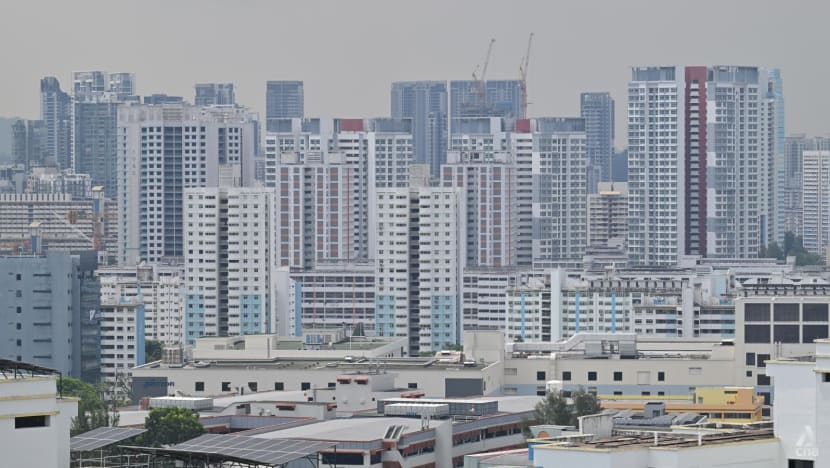
Higher US yields generally translate into higher borrowing costs for households and businesses, which could lead to more expensive mortgages and loans.
About this summary
Originally published by CNA in English. Translated, summarized, and contextualized automatically by DistantNews, with a note on how the source frames the story. Not individually reviewed before publishing. How this works.
More Stories


From Our Blog

What Gets Lost (and Found) When News Is Translated

The Critical Role of Diaspora Media in Global News

What Travellers Should Know About Countries with Restricted Press

A Digital Nomad's Guide to Following Local News

How the Same Story Looks Different in Different Countries
