


US Urgently Demands Iran Open Hormuz Strait Amid Doubts on Nuclear Deal
Translated from German, summarized and contextualized by DistantNews.
At a glance
News
Named sources
Ongoing story
- The U.S. is demanding Iran commit to free and safe passage through the Strait of Hormuz, with potential "severe consequences" for non-compliance.
- This demand follows recent U.S. attacks on targets in Iran, justified by alleged attacks on commercial ships in the vital waterway.
- Iran denies seeking negotiations with the U.S. and claims it is discussing the situation with a regional mediator, while also engaging in diplomatic talks with Oman.
The United States is escalating pressure on Iran, reportedly demanding a public commitment to ensure free and safe navigation through the critical Strait of Hormuz. U.S. officials have indicated that "severe consequences" could follow if Iran fails to provide such assurances, according to reports from "Axios" and the "Wall Street Journal."
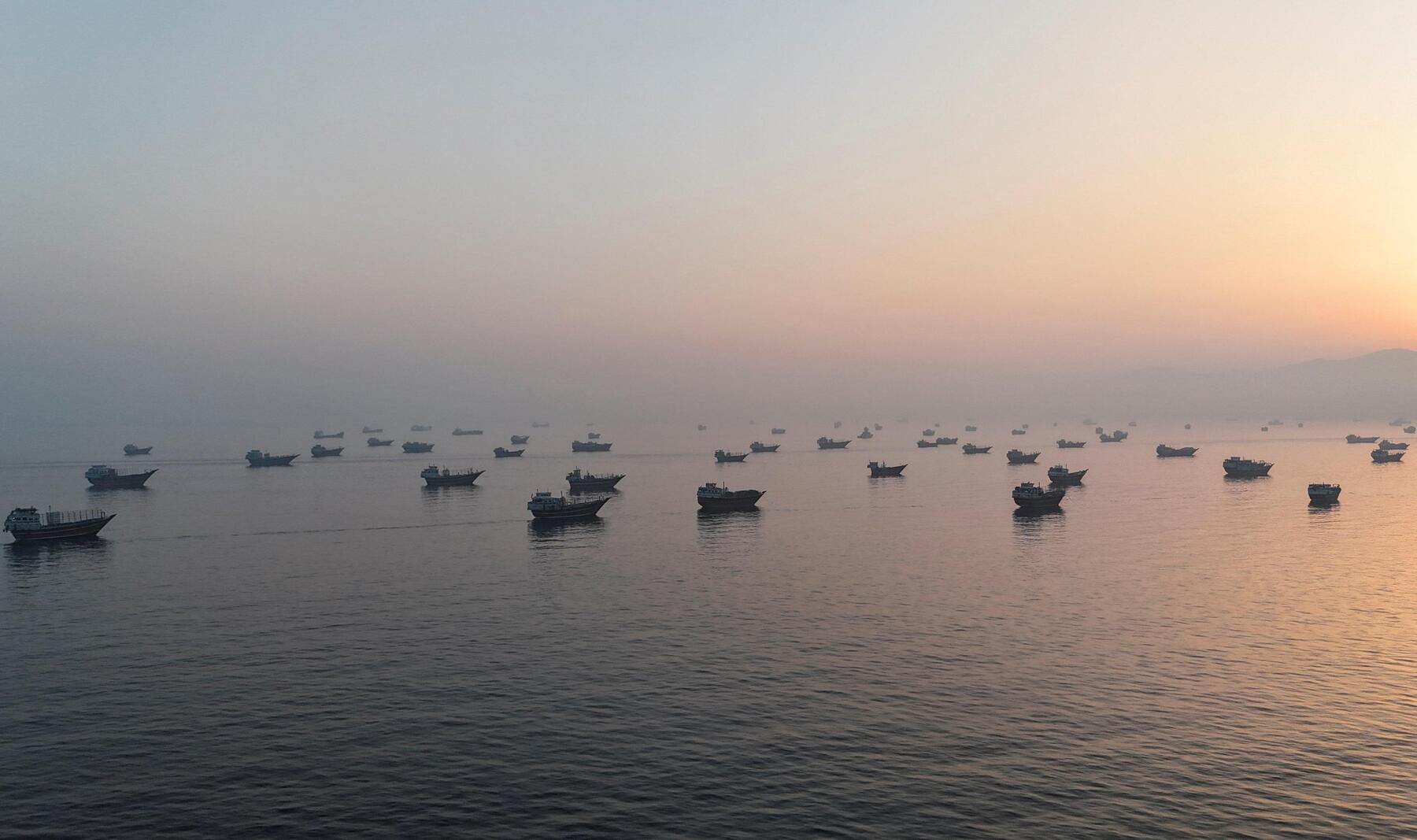
This demand comes in the wake of recent U.S. military actions targeting sites within Iran. The U.S. has cited alleged attacks on commercial vessels in the Strait of Hormuz, a vital chokepoint for global trade in oil, gas, and fertilizer, as justification for these strikes.
Adding complexity to the situation, U.S. President Donald Trump recently declared an end to the ceasefire in the conflict with Iran, while simultaneously leaving the door open for dialogue. Trump suggested on his Truth Social platform that Tehran had requested a continuation of talks, a claim Iran disputes.
Tehran had requested a continuation of talks, and the USA had agreed.
Iranian Foreign Ministry spokesperson Ismail Baghai, as reported by the state-affiliated Press TV, refuted allegations that Tehran had sought negotiations with the United States. However, he acknowledged that Iran had agreed to a request from a regional mediator to visit Tehran and discuss the current situation.
Meanwhile, Iranian Foreign Minister Abbas Araghchi traveled to Muscat, Oman, to meet with his Omani counterpart, Badr al-Busaidi. This meeting occurred amidst the ongoing dispute over the Strait of Hormuz. The conflict surrounding the vital waterway had recently escalated, despite an agreement reached on June 17 between Iran and the U.S. for a framework of deeper talks aimed at ending the war, with a 60-day deadline to negotiate a final deal. A ceasefire that had been in place since early April was repeatedly violated and has now been declared over by Trump.
Further complicating diplomatic efforts, the "Wall Street Journal" reported, citing high-ranking U.S. officials, that the U.S. government now considers a nuclear deal with Iran increasingly unlikely. This adds another layer of tension to the already fraught relationship between the two nations.
Tehran had sought negotiations with the United States, but we had agreed to a request from a regional mediator to visit Tehran and discuss the current situation.
DistantNews Editorial
Originally published by Die Presse in German. Translated, summarized, and contextualized by our editorial team with added local perspective. Read our editorial standards.
More Stories



From Our Blog

What Gets Lost (and Found) When News Is Translated

The Critical Role of Diaspora Media in Global News

What Travellers Should Know About Countries with Restricted Press

A Digital Nomad's Guide to Following Local News

How the Same Story Looks Different in Different Countries
