


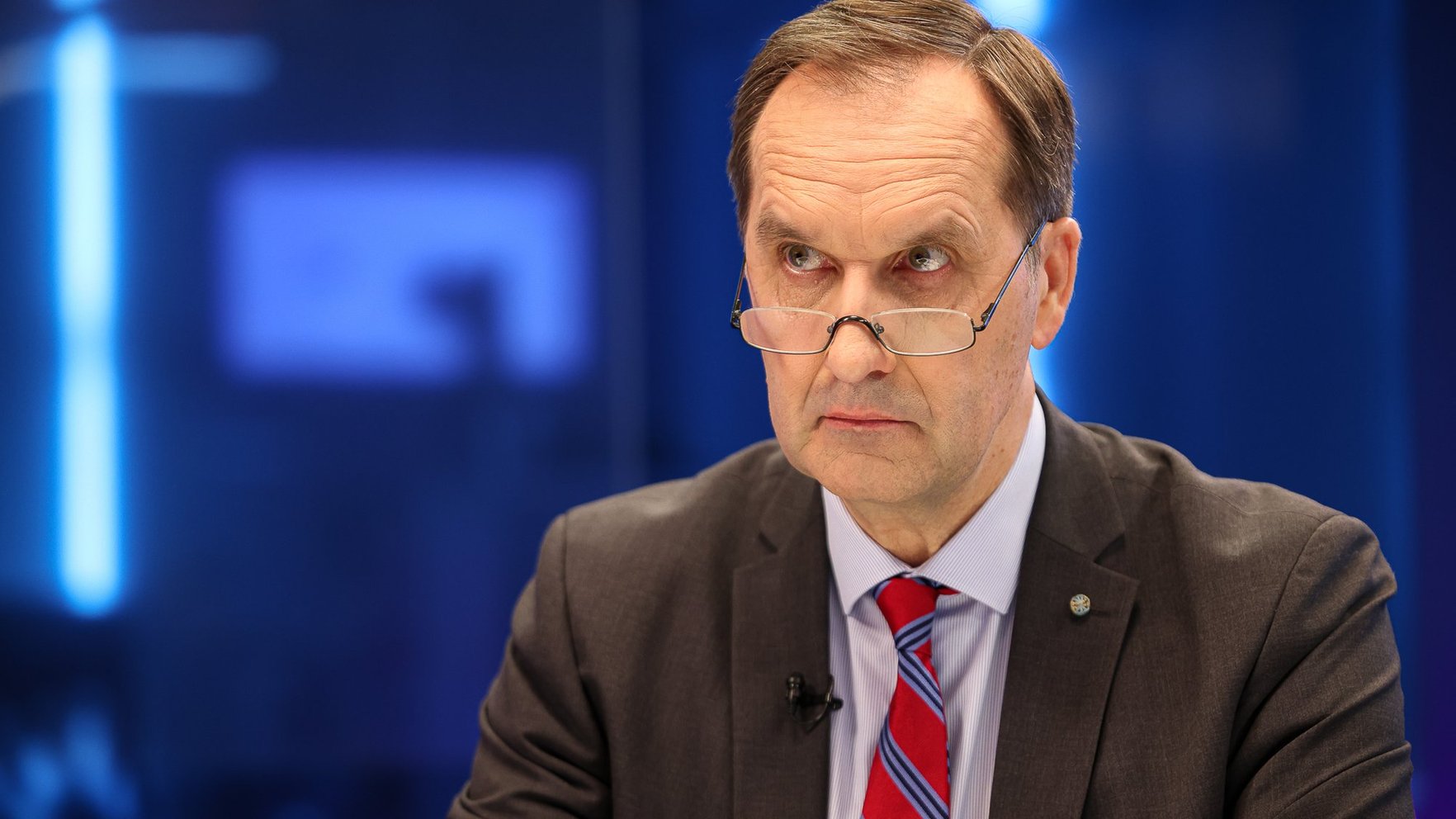
US withdrawal from Europe predictions unfounded, says Latvia's NATO envoy
Translated from Latvian, summarized and contextualized by DistantNews.
At a glance
News
Named sources
Context piece
- Predictions of the United States withdrawing from Europe have not materialized, according to Latvia's Ambassador to NATO, Māris Riekstiņš.
- Riekstiņš stated that the upcoming NATO summit in Ankara in July will reaffirm U.S. commitment to collective defense.
- The ambassador commented on the ongoing review of U.S. military presence in Europe.
Latvia's Ambassador to NATO, Māris Riekstiņš, has asserted that forecasts predicting a U.S. withdrawal from Europe have proven unfounded. He indicated that the upcoming NATO summit in Ankara this July will serve as a platform to reiterate and confirm the United States' sustained interest in collective defense.
Riekstiņš's remarks come as discussions continue regarding the strategic positioning and future of the U.S. military presence across the European continent. His comments suggest a confidence in the enduring transatlantic security relationship, countering earlier speculations about a potential reduction in American engagement.
Predictions about the US withdrawal from Europe have not come true.
The ambassador's statement underscores the perceived stability of NATO's foundational alliance, particularly concerning the U.S. commitment. The July summit in Ankara is anticipated to address various security matters, with the U.S. role in European defense likely to be a central theme, reinforcing the alliance's cooperative security framework.
The NATO summit in Ankara in July will once again confirm that the US is interested in collective defense.
DistantNews Editorial
Originally published by Delfi Latvia in Latvian. Translated, summarized, and contextualized by our editorial team with added local perspective. Read our editorial standards.
More Stories

From Our Blog

What Gets Lost (and Found) When News Is Translated

The Critical Role of Diaspora Media in Global News

What Travellers Should Know About Countries with Restricted Press

A Digital Nomad's Guide to Following Local News

How the Same Story Looks Different in Different Countries
