

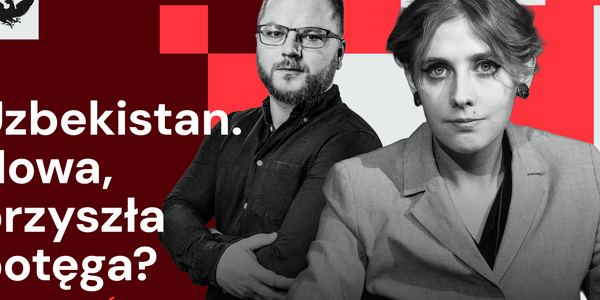
Uzbekistan navigates geopolitical currents, balancing Russia, China, and the West
Translated from Polish and summarized by DistantNews. Read the original for the full story.
At a glance
Analysis
Sources not specified
Context piece
- Uzbekistan, under President Shavkat Mirziyoyev, is pursuing a multi-vector foreign policy, balancing relationships with Russia, China, and the West while undergoing internal reforms.
- The country faces demographic pressures with a young, large population, leading to a focus on developing IT, fintech, and advanced industries alongside renewable energy.
- Despite reforms, Uzbekistan maintains a centralized political system, with the constitution amended to allow the current president to remain in power until 2037, and potential succession discussions involving his daughter.
Uzbekistan, strategically positioned as a key infrastructure and political hub in Central Asia, is navigating a complex geopolitical landscape. As the only nation bordering all four other Central Asian republics and being doubly landlocked, Tashkent must maintain a flexible, multi-vector foreign policy. Since the death of long-time dictator Islam Karimov in 2016, President Shavkat Mirziyoyev's administration has opened the country to the world, prioritizing market liberalization and internal reforms.
However, beneath the surface of dynamic development and the quieting of past crises lies a highly centralized power system driven by pragmatism and a carefully considered political succession. While the most severe forms of oppression, like the notorious Jaslyk prison, have been abolished, democratization indicators are not a priority for the authorities. In 2023, presidential term limits were reset in a new constitution, potentially allowing the current leader to remain in power until 2037. Whispers about potential successors increasingly mention the president's daughter, Saida Mirziyoyeva, who heads his administration.
Public reaction to this political model appears measured. "One gets the impression that Uzbeks have to some extent accepted that they are not in a democratic state and cannot choose their leadership themselves. It is important that it works... Democratization is welcome, but only after modernization," notes OSW expert Daria Zielińska. The real driver for decisions in Tashkent is socio-demographic pressure. Uzbekistan's population has surpassed 39 million, creating an extremely young society grappling with a lack of prospects. The rate of young people not in education, employment, or training (NEET) reaches 33%, and among women, it's as high as 48%.
In response, the government is shifting away from exporting raw materials like cotton and metal ores toward building modern sectors: IT, fintech, and advanced manufacturing. The prestigious IT Park in Tashkent, offering significant tax breaks to foreign and domestic investors, symbolizes this transformation. The nation is attempting to reinvent itself, striving to balance environmental challenges, such as the devastating Aral Sea drying and water deficits, with massive investments in renewable energy.
One gets the impression that Uzbeks have to some extent accepted that they are not in a democratic state and cannot choose their leadership themselves. It is important that it works... Democratization is welcome, but only after modernization.
About this summary
Originally published by Rzeczpospolita in Polish. Translated, summarized, and contextualized automatically by DistantNews, with a note on how the source frames the story. Not individually reviewed before publishing. How this works.
More Stories


From Our Blog

What Gets Lost (and Found) When News Is Translated

The Critical Role of Diaspora Media in Global News

What Travellers Should Know About Countries with Restricted Press

A Digital Nomad's Guide to Following Local News

How the Same Story Looks Different in Different Countries
