

Úzvölgye only the beginning? Transylvanian Hungarian heritage again targeted
Translated from Hungarian, summarized and contextualized by DistantNews.
At a glance
Analysis
Sources not specified
Context piece
- A study warns that the Hungarian heritage site of Úzvölgye may be just the beginning of a trend targeting Transylvanian Hungarian heritage.
- The city of Oradea plans to create a promenade of figures central to Greater Romania's formation in a historic Hungarian urban area.
- The author urges for stronger Hungarian representation and public awareness to protect cultural heritage abroad.
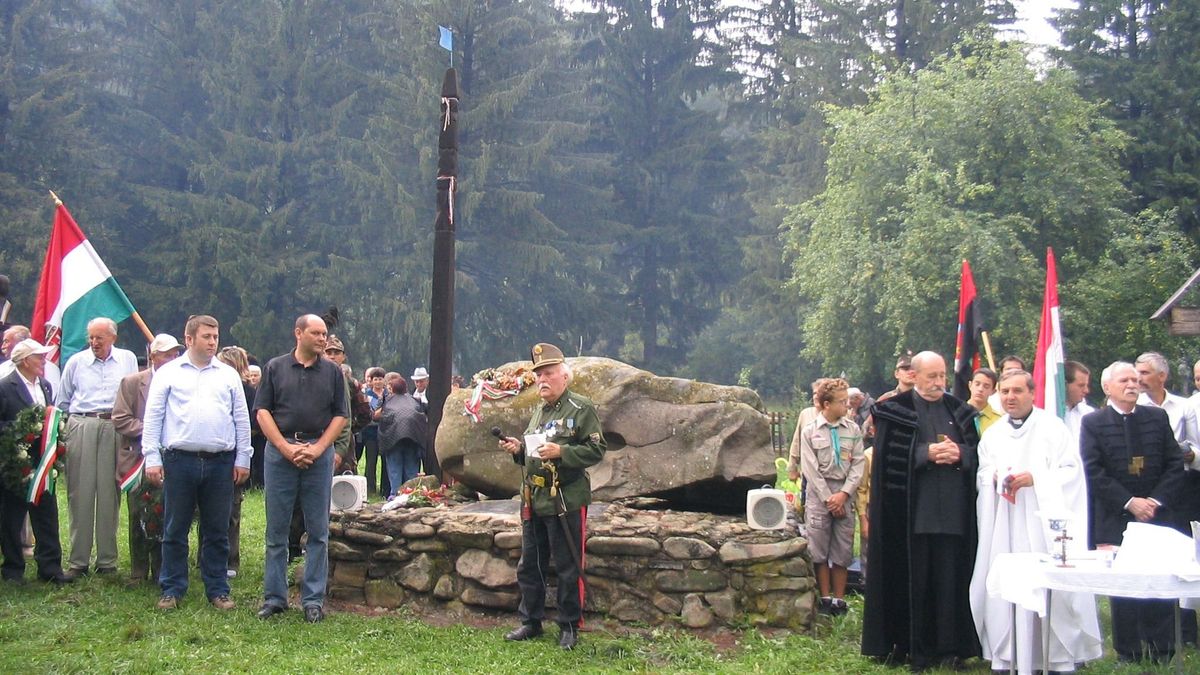
A recent study suggests that the controversial events at the Úzvölgye military cemetery may herald a broader trend of challenges to Transylvanian Hungarian heritage. The research points to Oradea (Nagyvárad) as a potential new focal point for historical memory disputes, particularly concerning Hungarian cultural assets.
In Oradea, the local Romanian-majority municipality plans to establish a promenade of key figures involved in the creation of Greater Romania. This promenade is slated for the December 1 Park, historically the city's main market square. The plans include placing busts of Romanian historical figures, alongside an existing statue of Emmanuel de Martonne, the cartographer associated with the Treaty of Trianon. The study highlights the symbolic significance of this location, situated within the medieval Hungarian city center.
The study's author argues that these urban development plans in Oradea are not merely about public space enhancement but represent a deliberate reshaping of historical memory. Without adequate Hungarian representation and increased public attention, the author warns, such processes could continue unchecked. This underscores the ongoing need for vigilance in protecting minority rights and Hungarian cultural heritage in neighboring countries.
DistantNews Editorial
Originally published by Magyar Nemzet in Hungarian. Translated, summarized, and contextualized by our editorial team with added local perspective. Read our editorial standards.
More Stories
From Our Blog

Countries Without a Free Press: What You Need to Know

What Press Freedom Means for the News You Read

What Gets Lost (and Found) When News Is Translated

The Critical Role of Diaspora Media in Global News

What Travellers Should Know About Countries with Restricted Press
