


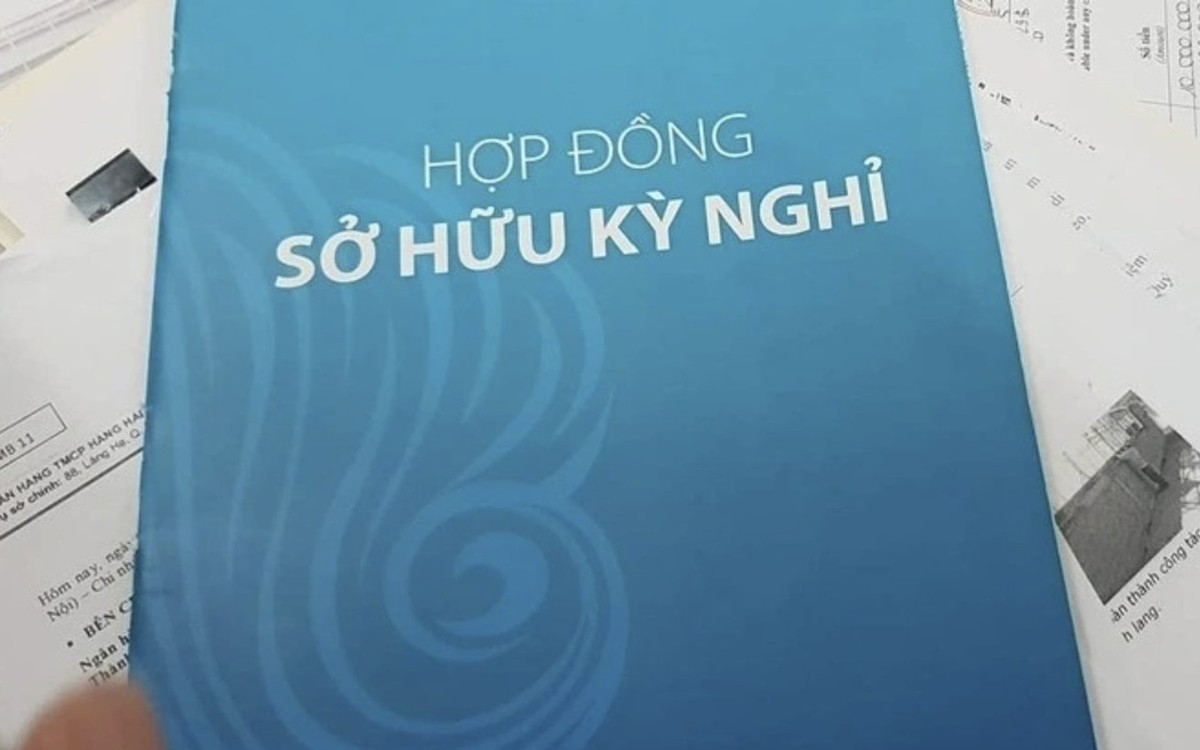
Vacation Ownership: The Black and White Must Be Clear
Translated from Vietnamese, summarized and contextualized by DistantNews.
At a glance
In-depth
Sources not specified
Context piece
- A VTV documentary series has reignited public attention on "vacation ownership" scams, which have persisted for years with increasingly sophisticated tactics.
- A 2019 dispute clarified that vacation ownership is a service product, not real estate, granting only usage rights, not property ownership.
- Vietnam lacks specific legal regulations for vacation ownership, allowing businesses to operate with unclear contracts and potentially deceptive practices, often targeting the elderly.
Scrutiny has returned to the persistent issue of "vacation ownership" scams, brought to the forefront by the VTV documentary series "VTV Special Trap 2 - Traps from Vacation Ownership Contracts." These cases, previously reported by media, continue to ensnare victims with evolving and more intricate schemes.
A 2019 contract dispute clarified the nature of vacation ownership, establishing it as a service product rather than real estate. This ruling means customers are entitled only to the right to use accommodation services for specific periods as agreed in the contract, not to establish ownership or usage rights over land, housing, or construction works. Despite this, Vietnam still lacks official legal frameworks governing this product or the associated business relationships, creating a void in tourism, trade, and service contract regulations.
The absence of clear legal definitions hinders public understanding of vacation ownership as a distinct service product. This regulatory gap has fueled the rapid growth of vacation ownership businesses, some operating with minimal resources. Common tactics involve inviting potential clients to events with promises of vouchers, often held in the evenings. During these events, customers are pressured into making immediate decisions, with sales pitches emphasizing benefits that may not be verifiable. Contracts have been found to lack association with actual hotels, and clients are frequently asked for deposits under dimly lit conditions, raising concerns about orchestrated deception.
DistantNews Editorial
Originally published by Tuổi Trẻ in Vietnamese. Translated, summarized, and contextualized by our editorial team with added local perspective. Read our editorial standards.
More Stories



From Our Blog

What Gets Lost (and Found) When News Is Translated

The Critical Role of Diaspora Media in Global News

What Travellers Should Know About Countries with Restricted Press

A Digital Nomad's Guide to Following Local News

How the Same Story Looks Different in Different Countries
