


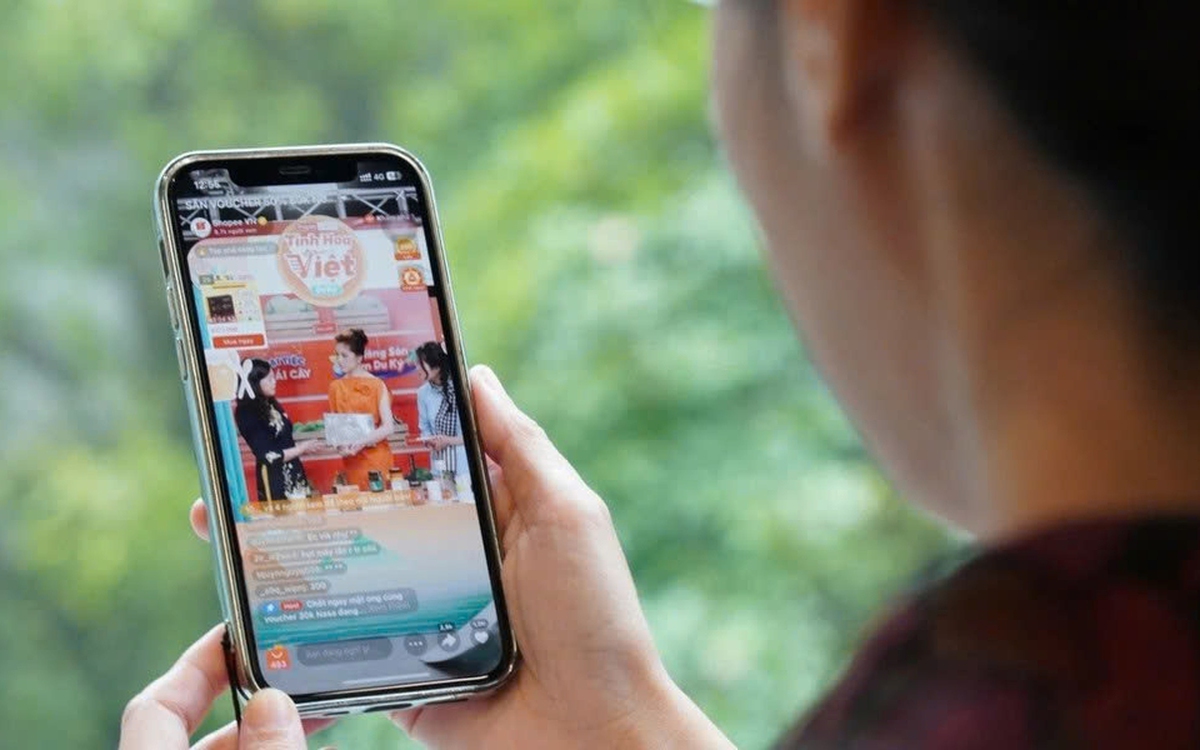
Beware of one-tap purchases and the worries they bring
Translated from Vietnamese, summarized and contextualized by DistantNews.
At a glance
Opinion
Sources not specified
Context piece
- Consumers are increasingly buying products online through social media platforms like Facebook and TikTok, often based on emotional appeals rather than verified information.
- A proposal requires e-commerce and social media platforms to verify sellers' identities, especially for food products, to combat counterfeit goods and false advertising.
- The article highlights the dangers of consuming unverified food products and calls for greater responsibility from both sellers and platforms to protect public health and trust.
The ease of online shopping, with just a few taps on a screen, has led many consumers, like the author's mother, to purchase a wide range of products, from health supplements to beverages, advertised on social media. These items are often delivered directly to their homes with convenient payment options and seemingly attractive discounts. However, this convenience often comes at the cost of due diligence, with many consumers trusting online promotions over official verification.
A digital society cannot be built on blind faith. Technology makes buying and selling faster, but it cannot replace the responsibility of the seller, the responsibility of the platform, and the vigilance of the consumer.
This reliance on unverified information is a growing concern. The author notes that millions of consumers trust what they see on their phone screens more than what regulatory bodies have confirmed. This has prompted a significant proposal from the Ministry of Public Security: requiring e-commerce and social media platforms to verify the identities of food sellers. Knowing who is selling a product is deemed a minimum requirement in today's fast-paced digital marketplace.
E-commerce has revolutionized goods circulation, but regulations have struggled to keep pace with technological advancements. This gap has been exploited by some to sell counterfeit or substandard goods, or to make exaggerated claims about product efficacy. The risks associated with food products are particularly high, as they directly impact health and can have long-lasting consequences, unlike clothing or electronics which can be returned or discarded.
Many people are buying, so it must be okay!
The article points to past incidents involving fake milk, counterfeit health supplements, and unregulated meat as evidence of the high cost of lax oversight, measured not just in financial terms but also in public health and social trust. The proposed seller verification is presented not merely as an administrative procedure but as a way to re-establish accountability. Verifying sellers' identities would make it harder for them to engage in "quick in, quick out" sales tactics and disappear.
The proposal by the Ministry of Public Security to require e-commerce and social media platforms to verify the identities of food sellers is a very noteworthy step.
Furthermore, the author argues that holding sellers accountable is insufficient. Technology platforms must also assume commensurate responsibility. Since these platforms profit from transactions, they cannot remain detached from the associated risks. The article also questions why products flagged by authorities are not consistently removed, allowing a game of "cat and mouse" that leaves consumers vulnerable.
When a platform profits from transactions, they cannot just take the benefits and stand outside the risks.
DistantNews Editorial
Originally published by Tuổi Trẻ in Vietnamese. Translated, summarized, and contextualized by our editorial team with added local perspective. Read our editorial standards.
More Stories



From Our Blog

What Gets Lost (and Found) When News Is Translated

The Critical Role of Diaspora Media in Global News

What Travellers Should Know About Countries with Restricted Press

A Digital Nomad's Guide to Following Local News

How the Same Story Looks Different in Different Countries
