


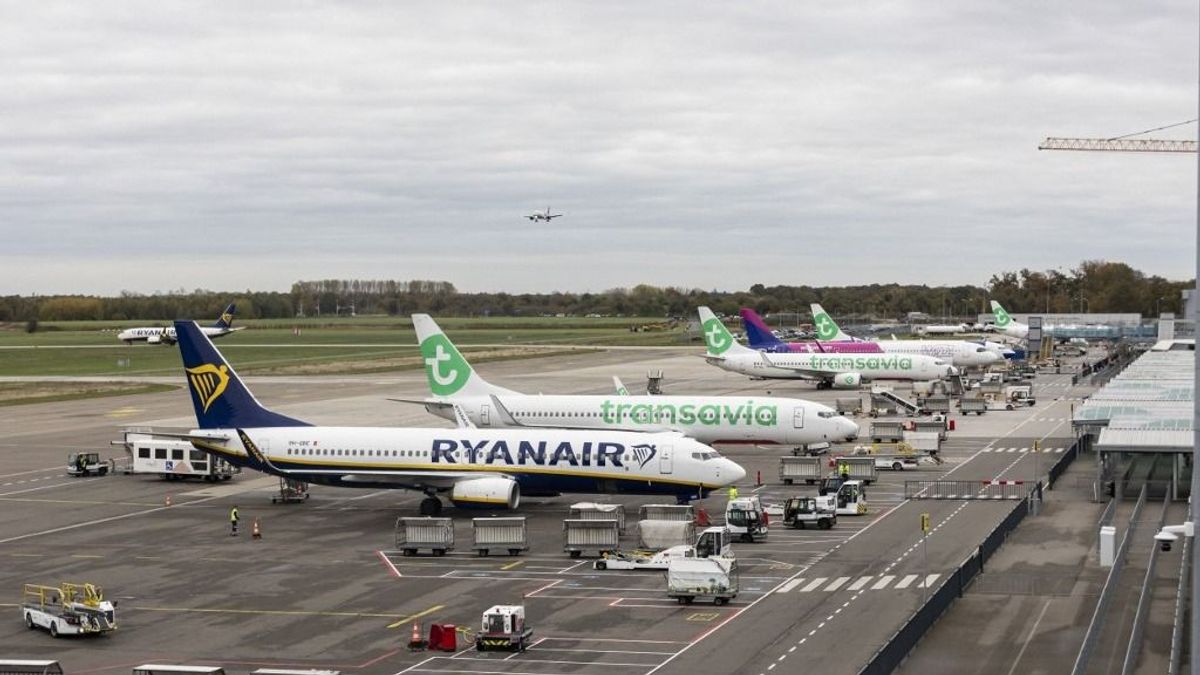
Vacations: Hungarians take more days off, more frequently, than a decade ago
Translated from Hungarian, summarized and contextualized by DistantNews.
At a glance
News
Sources not specified
Context piece
- Hungarian workers plan to take an average of 13 days of vacation this summer, with those having children taking slightly longer.
- Most workers divide their vacation time into several shorter breaks rather than one long period.
- Around 15% of workers are not planning any vacation this summer, and 13% work in jobs without paid leave.
Hungarian workers are planning to take an average of 13 days of vacation this summer, according to recent data. For employees with children, this period extends slightly to 14-15 days. However, the trend indicates a preference for splitting vacation time into multiple shorter breaks rather than taking one extended leave.
Despite the general trend towards taking time off, a notable portion of the workforce will not be taking a summer holiday. Ten out of four workers, approximately 15 percent, reported not planning any vacation this summer. Furthermore, 13 percent of respondents indicated that they work in positions that do not offer paid leave, highlighting disparities in employment benefits.
The survey suggests a shift in how people approach their time off, with a focus on shorter, more frequent breaks. This approach may allow for more flexibility and potentially more opportunities to disconnect throughout the year, rather than relying on a single long vacation.
DistantNews Editorial
Originally published by Magyar Nemzet in Hungarian. Translated, summarized, and contextualized by our editorial team with added local perspective. Read our editorial standards.
More Stories

From Our Blog

Countries Without a Free Press: What You Need to Know

What Press Freedom Means for the News You Read

What Gets Lost (and Found) When News Is Translated

The Critical Role of Diaspora Media in Global News

What Travellers Should Know About Countries with Restricted Press
