

Vamos bloc proposes electricity system reform in Panama before 2028 concessions
Translated from Spanish, summarized and contextualized by DistantNews.
At a glance
News
Named sources
New plan
- Panama's independent Vamos bloc proposes reforms to the electricity system before 2028 concession renewals.
- The plan includes modernizing regulations, separating distribution from commercialization, and promoting renewables.
- The bloc highlights current system failures affecting thousands of homes and businesses.
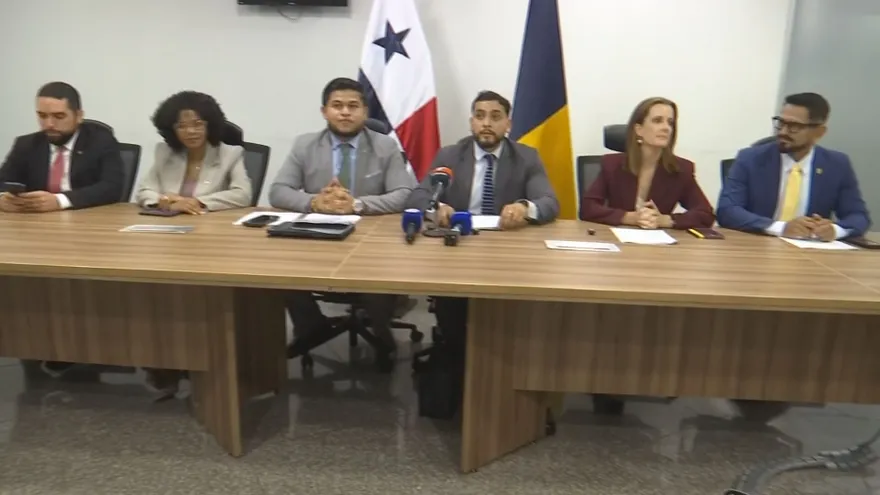
Panama's independent Vamos bloc has announced a roadmap to reform the country's electricity system ahead of the expiration of current distribution concessions in October 2028. The bloc plans to present a proposal next week that aims to modernize the regulatory framework established by Law 6 of 1997. Key elements include separating energy distribution from commercialization, promoting distributed generation and renewable energy sources, improving consumption measurement, and strengthening oversight by the National Public Services Authority (ASEP).
Today the system electric faces problems that already cannot be treated as isolated cases.
Jorge González, head of the Vamos bloc, stated that electricity supply failures are no longer isolated incidents and are affecting thousands of homes and small businesses. "Today the electric system faces problems that can no longer be treated as isolated cases," González said. Data presented by the bloc indicates that between January and May 2026, 95% of complaints received by ASEP were related to electrical failures. Furthermore, over 560,000 customers depend on a single provider without alternative choices.
If Panama reaches that date with the same rules as today, we are going to lose the opportunity to reform these concessions. That's why we have a historic opportunity to transform the electric system for the next decades.
González emphasized the critical timing, stating, "If Panama reaches that date with the same rules as today, we are going to lose the opportunity to reform these concessions. That's why we have a historic opportunity to transform the electric system for the next decades." Deputy Janine Prado explained that the first step will be to update the sector's rules before the process for new concessions begins. She proposed separating distribution from commercialization, citing Colombia as an example where over 130 commercializers offer customers more choices.
Remember that in October 2028 these concessions expire and the idea is to be able to reform the rules that will then govern the contracts that can be awarded for the same.
The proposal also aims to promote distributed generation and the use of renewable energies. Prado questioned why the country's renewable energy potential does not translate into lower electricity bills for consumers. "However, despite seeing announcements that on some days we have been able to power ourselves solely with renewable energy, this is not reflected in the electricity bills of all Panamanians," she stated. The bloc will also open an email address for citizens to submit complaints previously filed with distributors or ASEP.
Separating the distribution of energy commercialization and that is not something new. Neighboring countries, like in Colombia, there are more than 130 commercializers and that gives the client more options.
DistantNews Editorial
Originally published by TVN Panamá in Spanish. Translated, summarized, and contextualized by our editorial team with added local perspective. Read our editorial standards.
More Stories
From Our Blog

What Gets Lost (and Found) When News Is Translated

The Critical Role of Diaspora Media in Global News

What Travellers Should Know About Countries with Restricted Press

A Digital Nomad's Guide to Following Local News

How the Same Story Looks Different in Different Countries
