

Venezuela earthquakes leave nearly 3,000 dead
Translated from Spanish, summarized and contextualized by DistantNews.
At a glance
News
Sources not specified
Outcome reported
- Devastating earthquakes in Venezuela have claimed nearly 3,000 lives and injured over 16,500 people.
- International rescue teams are concluding their operations as the window for finding survivors closes, though a man was rescued after eight days.
- Survivors face an uncertain future, with many left homeless and living in precarious shelters amidst widespread destruction.
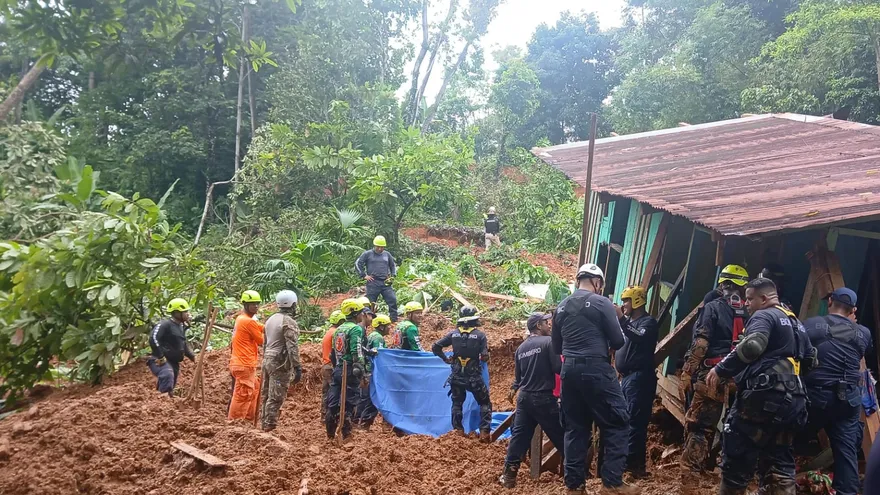
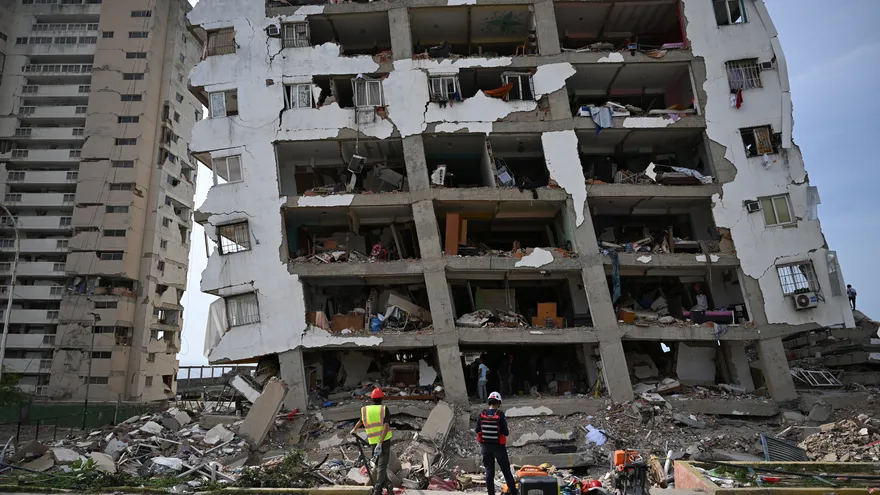
Nearly 3,000 people have died and over 16,500 have been injured in Venezuela following devastating earthquakes that struck the country ten days ago. The grim toll was updated Saturday as foreign rescue teams begin to wind down their operations, their efforts to find survivors drawing to a close.
We are still working, finding bodies, we continue. It has not been easy.
In La Guaira, a city near the capital Caracas and ground zero for the magnitude 7.2 and 7.5 quakes on June 24, heavy machinery works to clear debris from collapsed buildings. Francisco Sasquia, a 38-year-old volunteer rescuer, described the ongoing, difficult work of recovering bodies. "We are still working, finding bodies, we continue. It has not been easy," he told AFP at the Ocean Beach building in the Playa Grande sector.
Brigades from the United States, Chile, and other nations are preparing to depart, with teams from Los Angeles County Fire Department and Florida and Virginia among them. The critical 72-hour window for finding survivors has long passed, but rescuers managed a moment of hope on Thursday by pulling a man alive from the rubble eight days after the quake.
This is the universal solidarity that should inspire the peoples of the world.
Vice President Delcy Rodríguez decorated rescuers from the UK, Qatar, France, India, Barbados, Brazil, and Argentina on Saturday, also honoring search dogs. "This is the universal solidarity that should inspire the peoples of the world," Rodríguez stated at the ceremony. She defended the government's response, which faced criticism for its initial inadequacy before international aid arrived.
We have faith that we are going to find people alive, we do not lose hope.
Many survivors are now living in parks or precarious shelters with an unclear future. Hundreds of families, many from low-income housing complexes known as OPP, were left with nothing. Celida Sequera, a 43-year-old volunteer, described the scene in Caraballeda as "a horror movie." "We escaped the war, but not nature," she said, her face and clothes covered in dirt as she searched for bodies of entire families in the rubble of what were once 12-story buildings.
This is a horror movie, we escaped the war, but not nature.
DistantNews Editorial
Originally published by TVN Panamá in Spanish. Translated, summarized, and contextualized by our editorial team with added local perspective. Read our editorial standards.
More Stories

From Our Blog

What Gets Lost (and Found) When News Is Translated

The Critical Role of Diaspora Media in Global News

What Travellers Should Know About Countries with Restricted Press

A Digital Nomad's Guide to Following Local News

How the Same Story Looks Different in Different Countries
