


Venezuela's disaster victims face an endless wait in shelters and refuges after more than 15 years
Translated from Spanish and summarized by DistantNews. Read the original for the full story.
At a glance
In-depth
Named sources
Context piece
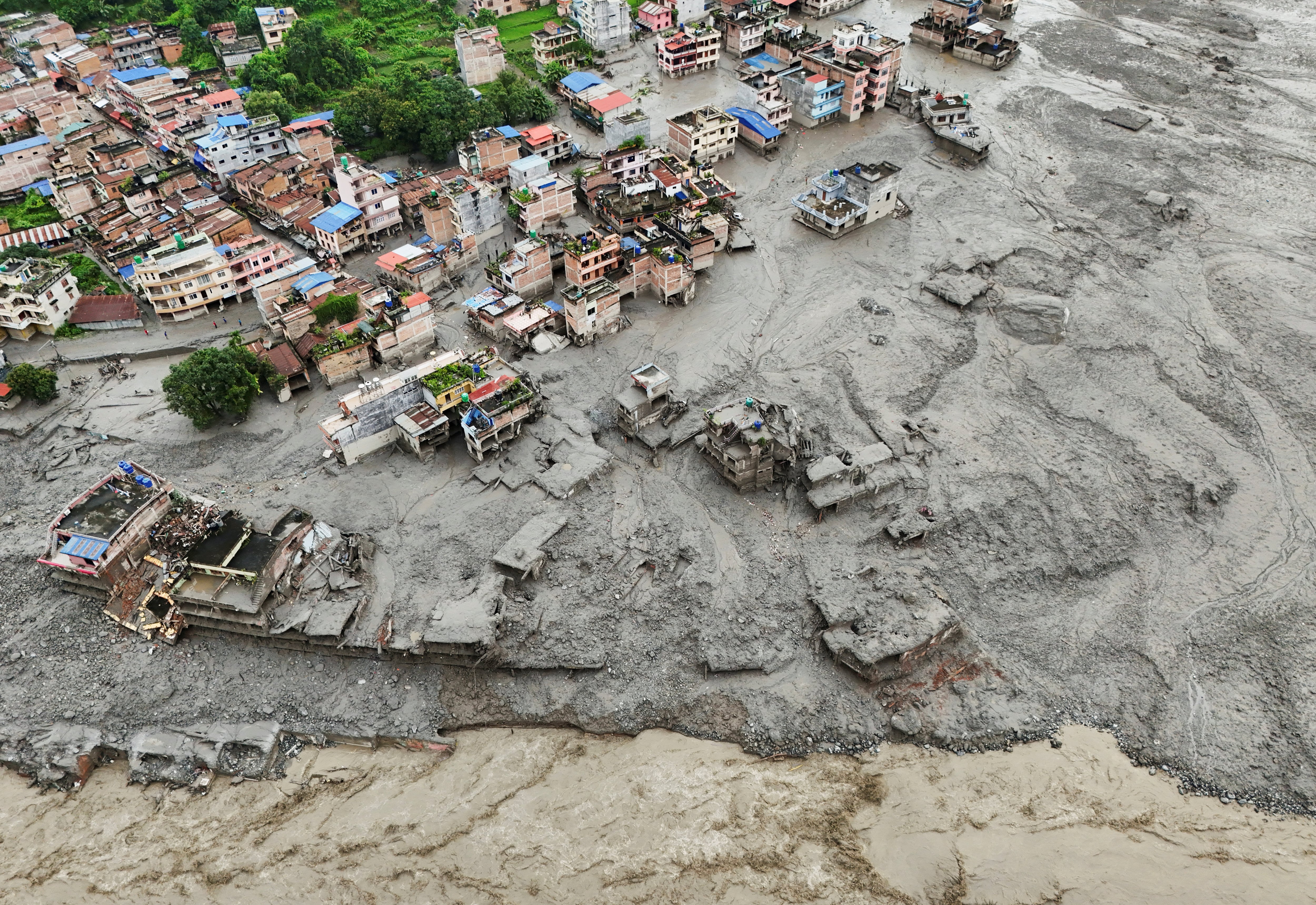
- Hundreds of Venezuelan families remain in shelters or makeshift refuges years after landslides, floods, earthquakes and other disasters destroyed or made their homes unsafe.
- Some families have waited more than 15 years for state-provided housing, while temporary buildings have become long-term living spaces.
- Residents face deteriorating structures, disabilities and limited housing-credit options as they continue to wait for a solution.
Magdalena bought a set of dishes for the home she expected the Venezuelan state to give her after a landslide destroyed her house in Caracas in 2012. She never left the abandoned building where she had taken refuge. In 2025, after 13 years of waiting, she died without using the dishes.
Her story is part of a wider accumulation of families displaced by disasters. The 1999 Vargas landslide began the occupation of abandoned buildings by victims. In the years that followed, heavy rains damaged or destroyed homes in informal neighborhoods in western Caracas and La Guaira, leaving hundreds of families without permanent housing.
Moraima, who lived alongside Magdalena, still climbs and descends four floors every day in the same building, where 10 families remain. Severe arthritis, unstable ligaments and grade-four cartilage loss force her to use a cane and move slowly. She lives with her son Abraham, who has severe autism, and a brother with heart and kidney disease.
If it shakes again, run down the stairs.
After earthquakes, an engineer warned her to run down the stairs if the building shook again. “But how can I run with my condition?” she asks. Her concern now extends beyond receiving a home. She calls her current space a “humanized space,” not an apartment but a cubicle she has divided with mattresses and sheets over 14 years.
Moraima once received approval for an 8,000-bolívar housing credit, worth about $10, but could only find shacks in areas inaccessible to her disability. Devaluations, delayed funds and a housing-credit system whose secondary-market queue operates almost like a lottery have left her waiting again. Recent earthquakes and torrential rains have renewed attention on families still without a lasting answer.
But how can I run with my condition?
About this summary
Originally published by El País in Spanish. Translated, summarized, and contextualized automatically by DistantNews, with a note on how the source frames the story. Not individually reviewed before publishing. How this works.
More Stories


From Our Blog

News in Translation: What Gets Lost, and How We Keep the Framing

Diaspora Media: How Communities Follow News From Home

Traveling Where the Press Is Not Free: How to Read the News There

The Digital Nomad's Guide to Local News

The Same Story, Different Countries: How Coverage Changes at the Border
