


Venezuela's oil wealth fails to fuel rescue efforts amid gasoline crisis after earthquake
Translated from Korean, summarized and contextualized by DistantNews.
At a glance
News
From a news agency
Context piece
- Venezuela, a country with the world's largest oil reserves, is experiencing severe gasoline shortages, hindering rescue operations after a recent earthquake.
- Rescue teams are using shovels, picks, and bare hands to clear debris as excavators remain idle due to lack of fuel.
- The government's response has been criticized, with officials arrested for looting and experts attributing the crisis to mismanagement and a focus on political control over disaster preparedness.
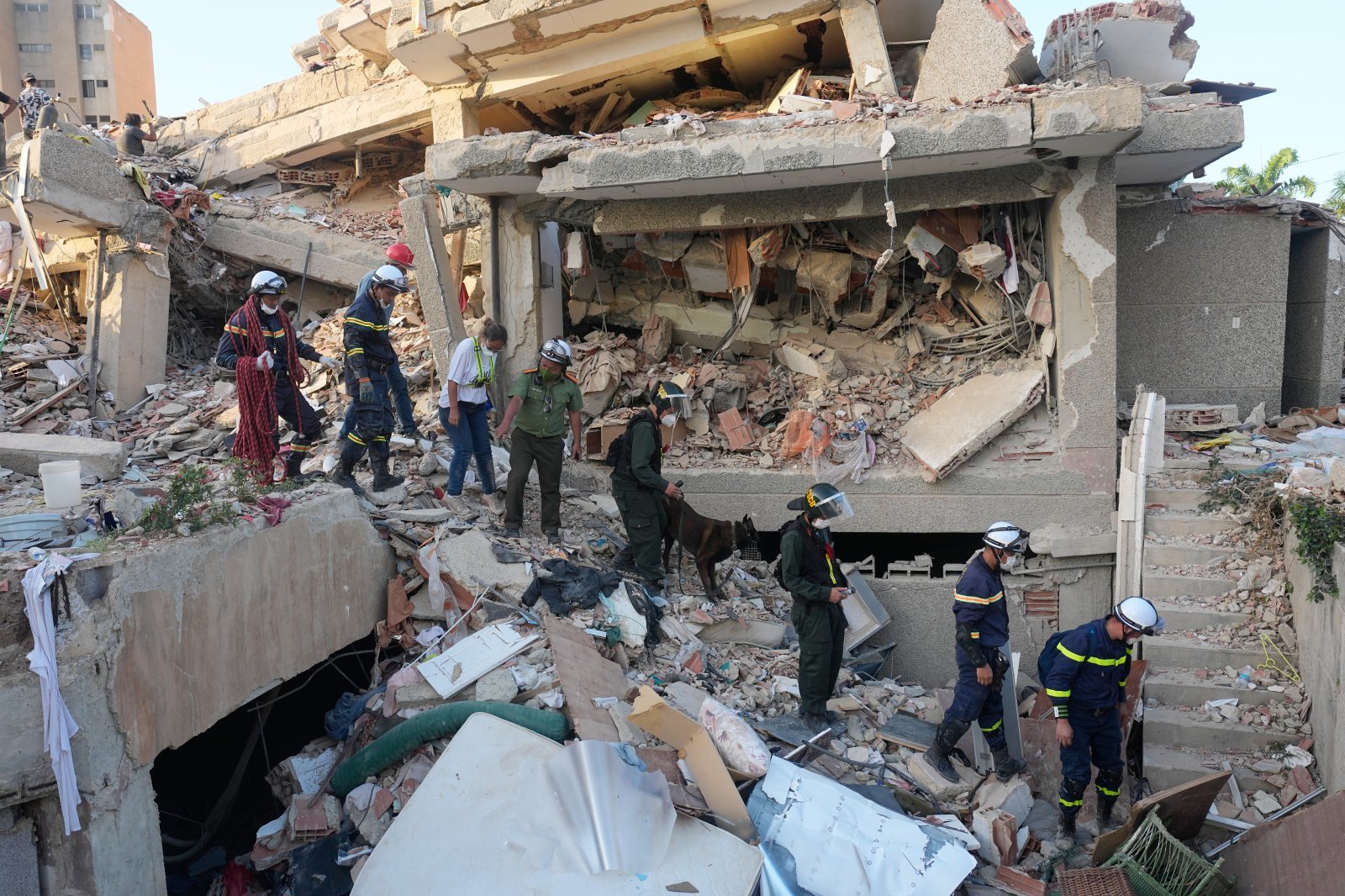
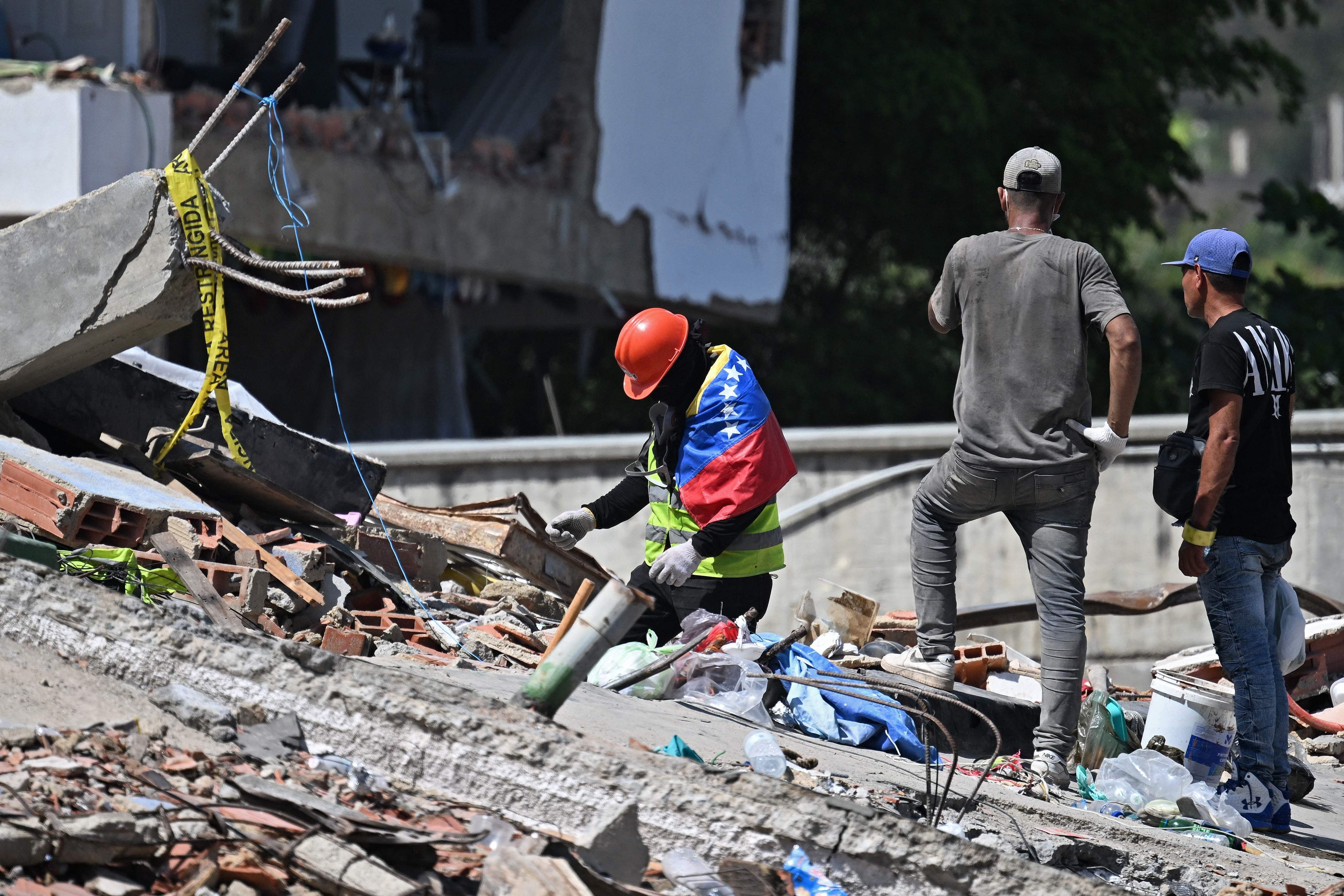
Venezuela, despite possessing the world's largest proven oil reserves, is facing a critical gasoline shortage that is severely hampering rescue efforts following a devastating earthquake. Rescue teams in affected areas like Catia La Mar are resorting to manual labor, using shovels, picks, and their bare hands to sift through rubble, as essential machinery like excavators remain inoperable due to a lack of fuel.
The government's handling of the crisis has drawn significant public criticism. Reports indicate that four public officials involved in the rescue operations were arrested for allegedly looting valuables from the earthquake-stricken sites. This adds to growing public discontent over the government's perceived inability to effectively manage disaster response.
This disaster is a consequence of the state prioritizing oppression and propaganda over disaster preparedness.
Experts point to a systemic issue: Venezuela's status as the world's largest oil holder is undermined by insufficient refining capacity and unstable operations. This chronic gasoline scarcity is a symptom of deeper economic mismanagement. Political commentator Carmen Beatriz Fernández stated that the disaster is a consequence of the state prioritizing "oppression and propaganda" over disaster preparedness, a trend exacerbated by decades of economic collapse and corruption since the nationalization of energy companies under Hugo Chávez and Nicolás Maduro.
The nation's economy has crumbled under Maduro's rule, with GDP plummeting 75% between 2013 and 2021, forcing one in four citizens to emigrate. The New York Times predicts that recovering victims, identifying them, and arranging burials will be monumental tasks for Venezuelan authorities. In La Guaira, morgues are overflowing, with some bodies left exposed to the heat. Due to the high cost of DNA testing, families are forced to identify loved ones through tattoos, dental records, or clothing, with one relative telling CNN that many bodies are too decomposed for even family members to recognize.
So many bodies are decomposed that even family members cannot recognize them.
DistantNews Editorial
Originally published by Dong-A Ilbo in Korean. Translated, summarized, and contextualized by our editorial team with added local perspective. Read our editorial standards.
More Stories

From Our Blog

What Gets Lost (and Found) When News Is Translated

The Critical Role of Diaspora Media in Global News

What Travellers Should Know About Countries with Restricted Press

A Digital Nomad's Guide to Following Local News

How the Same Story Looks Different in Different Countries
