

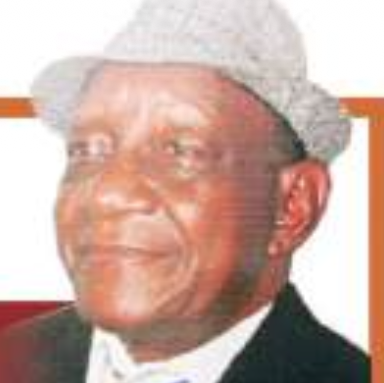

Victor Eburajolo: Mega employer who fought Nigeria’s deliberate de-industrialization, by Owei Lakemfa
Summarized and contextualized by DistantNews.
At a glance
In-depth
Named sources
Context piece
- Victor Eburajolo was a prominent Nigerian industrialist who warned against de-industrialization decades ago.
- He foresaw the negative impacts of the Structural Adjustment Programme (SAP) and the World Trade Organisation (WTO) on Nigeria's industries.
- Eburajolo's efforts to advise the government on WTO implementation were ultimately unsuccessful, leading to widespread industrial collapse.
Victor Eburajolo, a lawyer and business strategist, foresaw Nigeria's de-industrialization 40 years ago. As the nation embraced the IMF and World Bank's Structural Adjustment Programme (SAP) in 1986, Eburajolo recognized the dangers of unrestrained market forces and the dumping of foreign goods.
His concerns intensified with Nigeria's entry into the World Trade Organisation (WTO) in 1995. Eburajolo actively engaged with industry actors, labor unions, and government officials, including the finance minister, to highlight the potential devastation to Nigerian industries. He argued for a phased implementation of WTO rules to allow for strategic planning.
Despite Eburajolo's warnings and proposals, the finance minister insisted on immediate WTO rule implementation. The consequences were dire, mirroring Eburajolo's predictions. Nigeria's industrial sector, particularly textiles, collapsed, with employment plummeting from over 750,000 to around 24,000 workers. Eburajolo likened the situation to a small shop competing directly with a large farm, highlighting the insurmountable disadvantage faced by local industries against unchecked international competition and smuggling.
the Nigerian textile company competing with international ones was like opening a shop next to a farm and buying from the farmer to sell to the public; you cannot compete with the farmer.
DistantNews Editorial
Originally published by Vanguard. Summarized and contextualized by our editorial team with added local perspective. Read our editorial standards.
More Stories



From Our Blog

How the Same Story Looks Different in Different Countries

What Gets Lost (and Found) When News Is Translated

The Critical Role of Diaspora Media in Global News

What Travellers Should Know About Countries with Restricted Press

A Digital Nomad's Guide to Following Local News
