


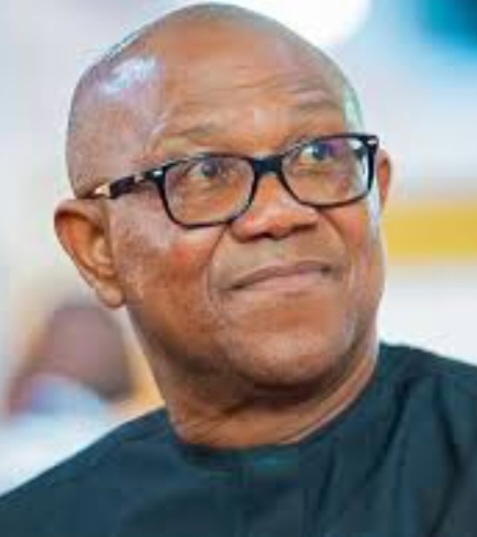
‘Victory for Nigerians’ – Obi hails suspension of WAEC, NECO fee hike
Summarized and contextualized by DistantNews.
At a glance
News
Named sources
New plan
- Presidential candidate Peter Obi welcomed the Nigerian government's suspension of increased examination fees for WASSCE and NECO exams.
- Obi described the suspension as a victory for Nigerians and argued the fees should not have been introduced during economic hardship.
- He stressed that education is a right and public good, not a revenue source, and urged the government to reconsider other unpopular policies.
Presidential candidate Peter Obi has hailed the Nigerian government's decision to suspend the proposed increase in examination registration fees for the West African Senior School Certificate Examination (WASSCE) and the National Examinations Council (NECO) Senior School Certificate Examination. Obi characterized the suspension as a "victory for the Nigerian people."
I received the welcome news of the suspension of the newly introduced examination fees with relief. This is a victory for the Nigerian people.
In a post on his X account, Obi commended the government for responding to public outcry against the fee hike. However, he argued that the policy should never have been introduced, especially given the country's economic difficulties. He emphasized that at a time when many families struggle, access to education should be expanded, not restricted.
While I commend the authorities for listening to the widespread public outcry and suspending the policy, it must be said that the fee was an unnecessary burden that should never have been introduced at this time of great hardship, when we should be doing everything possible to invest in basic education and reduce the millions of out-of-school children in Nigeria.
Obi stated that education is a fundamental right and a public good, not a means for government revenue. He warned that imposing multiple charges at the basic education level could prevent many children from attending school. He asserted that the state has a duty to invest in educating its citizens rather than creating financial barriers.
At a time when many families are struggling to make ends meet, access to education should be expanded, not restricted. Education is a fundamental right and a public good, not a source of government revenue.
True leadership, Obi suggested, involves reversing policies that cause hardship. He urged the government to review other "anti-people" policies. He also applauded parents, citizens, and advocacy groups whose opposition influenced the government's decision to suspend the fee increase.
Imposing multiple fees at the basic education level risks denying many children their right to education. At that stage, the State has a duty to invest in educating and preparing its citizens for productive lives, not to erect financial barriers that keep them out of school.
DistantNews Editorial
Originally published by Vanguard. Summarized and contextualized by our editorial team with added local perspective. Read our editorial standards.
More Stories


From Our Blog

How the Same Story Looks Different in Different Countries

What Gets Lost (and Found) When News Is Translated

The Critical Role of Diaspora Media in Global News

What Travellers Should Know About Countries with Restricted Press

A Digital Nomad's Guide to Following Local News
