


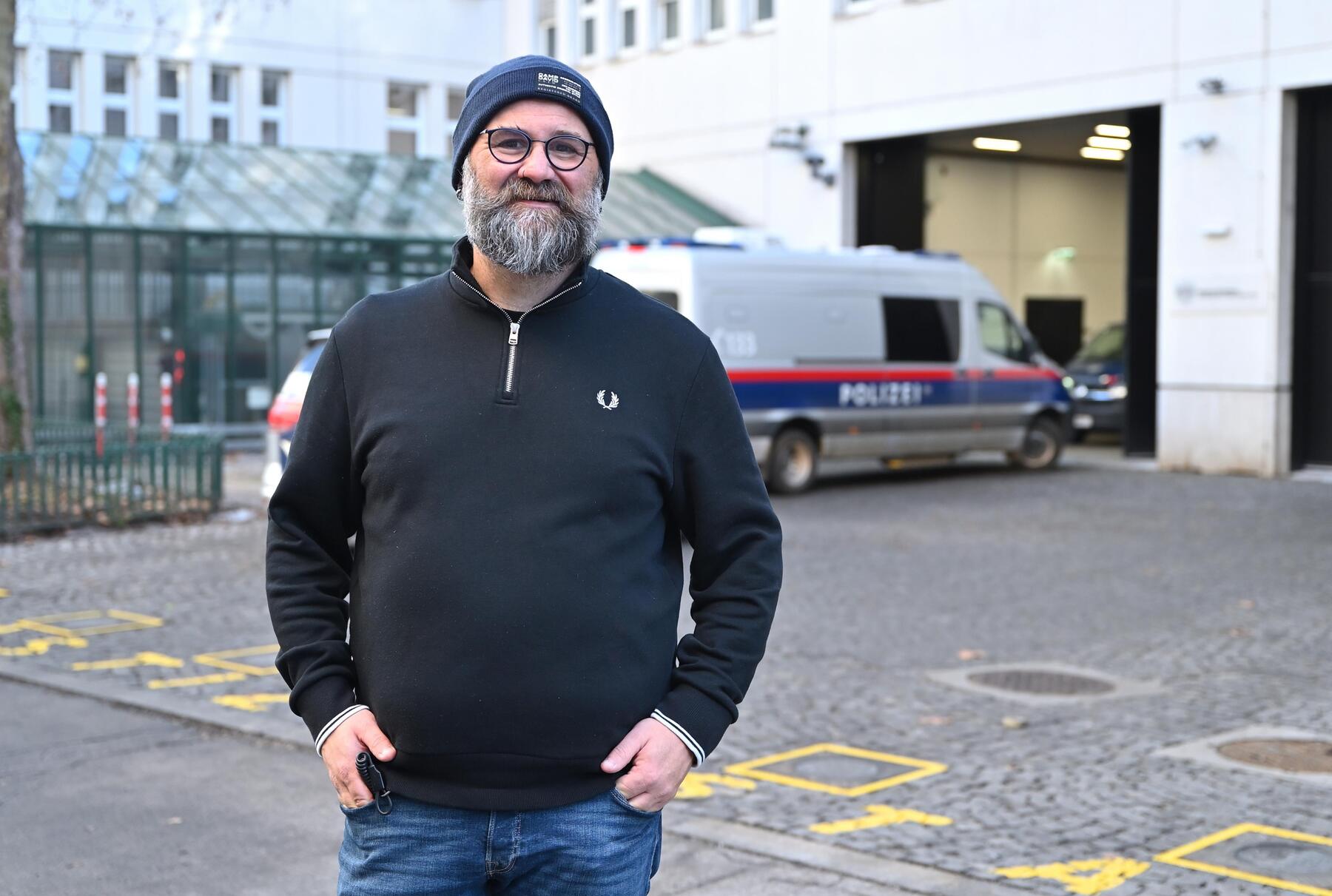
Vienna prison chaplain offers support to inmates and families, conducting thousands of conversations annually
Translated from German, summarized and contextualized by DistantNews.
At a glance
In-depth
Named sources
Context piece
- A Catholic prison chaplain in Vienna's Josefstadt prison conducts up to 10,000 conversations annually with inmates, offering support regardless of their crimes.
- The chaplain intentionally avoids knowing inmates' charges beforehand to ensure a prejudice-free approach, only reviewing case files after several meetings to better understand their situation.
- The role emphasizes listening and being present, with the Christian message of God's unconditional love seen as a vital aid for inmates seeking to rebuild their lives after release.
In the bustling visitor area of Josefstadt prison, Austria's largest correctional facility, Jonathan Werner, a Catholic prison chaplain, finds himself a point of emotional connection. Women and children wait to see incarcerated husbands, sons, fathers, and brothers. Werner, whose primary role is to support the inmates, often pauses to offer a listening ear to those in distress in the waiting area.
And if someone is sitting there crying, I'll sit down with them.
He deliberately refrains from learning about an inmate's specific crime before their initial meetings. This conscious choice allows him to engage with each person, whether male or female, without prejudice. Werner typically waits two to three meetings before reviewing a case file, which helps him better understand and support the individual's circumstances.
My husband is in here, can I talk to you?
Werner views his chaplaincy as a contribution to rehabilitation, encouraging inmates to confront their past and consider their future. He highlights the Christian message that "God loves people and never lets go, no matter what they have done," as a powerful source of hope for those grappling with guilt, especially those who have committed serious offenses like murder. Many inmates, he notes, are more open to spiritual guidance in prison than they might have been in freedom, particularly if they struggled with addiction, a factor often linked to criminal behavior.
But I can listen, be there, and thereby support.
Despite the profound spiritual support offered, Werner clarifies that proselytizing is not the goal. "Austrian prisons are not mission territory," he states. Inmates have the right to request a chaplain, and they can choose whom to speak with, regardless of their religious affiliation or lack thereof. The majority of inmates express remorse for their actions, finding solace and a path toward potential redemption through these conversations.
God loves people and never lets go, no matter what they have done, is incredibly helpful.
DistantNews Editorial
Originally published by Die Presse in German. Translated, summarized, and contextualized by our editorial team with added local perspective. Read our editorial standards.
More Stories



From Our Blog

What Gets Lost (and Found) When News Is Translated

The Critical Role of Diaspora Media in Global News

What Travellers Should Know About Countries with Restricted Press

A Digital Nomad's Guide to Following Local News

How the Same Story Looks Different in Different Countries
