


Vietnam Delegate Proposes Tax Incentives to Boost Birth Rate Amid Demographic Concerns
Translated from Vietnamese, summarized and contextualized by DistantNews.
TLDR
- A Vietnamese delegate proposed tax incentives for families raising young children to address declining birth rates and an aging population.
- Vietnam's total fertility rate has fallen below the replacement level of 2.1 children per woman, with urban areas showing lower rates than rural ones.
- The proposal includes financial support, expanded childcare services, and housing assistance to encourage couples to have more children.
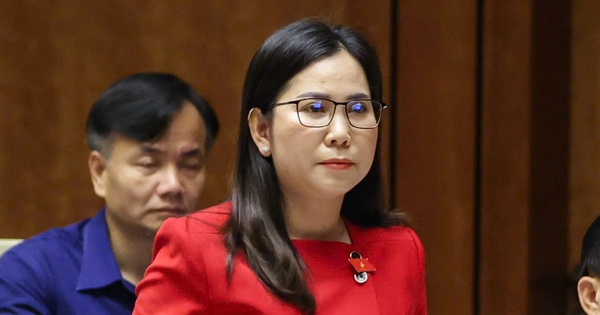
During a National Assembly session discussing socio-economic issues, Delegate Lê Thị Ngọc Linh from the Cà Mau delegation raised critical concerns about Vietnam's demographic challenges, specifically the declining birth rate and the rapid aging of its population. Her intervention highlights a growing national anxiety that the country is transitioning too quickly from its 'golden population' phase to an aging society, potentially straining the workforce and social welfare systems.
The total fertility rate of Vietnam is currently only about 1.91 children per woman, lower than the replacement fertility rate of 2.1 children.
Delegate Linh presented stark figures: Vietnam's total fertility rate has dipped to approximately 1.91 children per woman, falling below the crucial replacement level of 2.1. This trend, she noted, is particularly pronounced in urban centers and industrial zones, where birth rates are even lower. The data indicates a worrying acceleration in this decline over the past two years, signaling a potential long-term threat to population stability and economic dynamism.
In response to this demographic shift, Linh put forth a comprehensive set of policy recommendations. Central to her proposal is a move away from traditional family planning towards actively promoting sustainable replacement-level fertility. She advocated for targeted policies, especially for regions with low birth rates, large cities, and industrial parks, encouraging couples to have two children as a matter of social responsibility tied to national sustainable development.
The state needs to have practical, long-term financial support policies for families who give birth and raise young children, such as supporting childbirth costs, childcare, expanding medical cost exemptions for children, and tax incentives for households raising young children.
Crucially, Linh called for robust, long-term financial support for families with young children. This includes subsidies for childbirth and childcare, expanded healthcare cost exemptions for children, and, significantly, preferential tax policies for households raising young children. The delegate also stressed the need for improved childcare infrastructure, stable housing, and job creation for young couples to alleviate financial pressures and encourage family formation. Furthermore, she emphasized the importance of public awareness campaigns to shift societal attitudes towards marriage and childbirth, countering the trend of delayed marriage and childbearing among the youth. This proactive approach, she argued, would create a supportive environment where citizens feel empowered and able to have children, aligning with national development goals.
We need to strongly shift towards proactive, synchronous, and long-term pro-natalist policies, taking families and women as the center, respecting the right to choose childbirth but creating a favorable environment for people who want to have children and can have children.
DistantNews Editorial
Originally published by Thanh Niên in Vietnamese. Translated, summarized, and contextualized by our editorial team with added local perspective. Read our editorial standards.
More Stories


From Our Blog

What Gets Lost (and Found) When News Is Translated

The Critical Role of Diaspora Media in Global News

What Travellers Should Know About Countries with Restricted Press

A Digital Nomad's Guide to Following Local News

How the Same Story Looks Different in Different Countries
