



Vietnam deputies debate real estate law, focusing on buyer protection and curbing speculation
Translated from Vietnamese, summarized and contextualized by DistantNews.
At a glance
News
Sources not specified
Context piece
- Vietnamese National Assembly deputies are debating the revised Law on Real Estate Business, focusing on protecting buyers of future properties.
- Concerns were raised about preventing speculative practices, such as using deposits and other fees to illegally raise capital before projects are ready for sale.
- Deputies emphasized the need for clear legal regulations on down payments, payment limits, escrow accounts, and bank guarantees to safeguard buyers and control market speculation.
Vietnamese National Assembly deputies are scrutinizing the revised Law on Real Estate Business, with a particular focus on safeguarding buyers of properties yet to be completed. The discussions highlight a critical need to balance consumer protection with market control, ensuring that legitimate investment is not stifled while speculative practices are curbed.
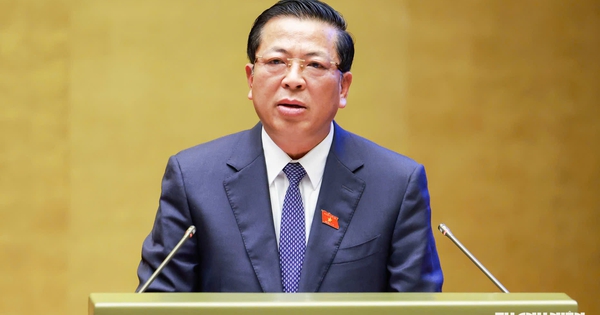
Deputy Lương Thị Hoa from the Thanh Hóa delegation stressed that protecting customers in future property transactions must be a core element of the law. She pointed out that buyers often pay a significant portion of the property's value upfront but have limited control over project timelines, financial flows, and legal status. "Therefore, key issues such as deposits, payment limits, escrow accounts, bank guarantees, repayment obligations, and handover conditions must be clearly stipulated in the law, not broadly delegated to guiding documents," Hoa stated.
Hoa also emphasized the importance of preventing practices like deposits, reservations, or applications under various names that are essentially capital mobilization schemes for projects not yet ready for business. Developers should be obligated to arrange for guarantees, while buyers need comprehensive information to make informed decisions about costs, benefits, and risks. She added that property handover should be linked to actual usability, not just the physical delivery of an apartment when essential infrastructure is not yet functional for normal living.
Deputy Nguyễn Khánh Vũ from the Quảng Trị delegation echoed these concerns, noting the draft law's lack of specific provisions to prevent real estate price manipulation and artificial scarcity, which have destabilized the market. He proposed adding prohibitions against providing false information about projects, zoning, or prices, and against creating sham transactions to inflate prices or create fake shortages. This, he argued, would provide legal tools for authorities to effectively address market manipulation.
Meanwhile, Deputy Phạm Trọng Nhân from Ho Chi Minh City agreed with the need to control funds based on transaction substance, regardless of their name. However, he argued that the focus should extend beyond just managing mobilized funds to scrutinizing the use of capital after a project is deemed ready for business. Nhân illustrated this by comparing a bank's rigorous appraisal for a 1 trillion VND loan to a real estate project with the aggregation of 1 billion VND contributions from 1,000 individuals for future properties, questioning the oversight of such dispersed capital.
Therefore, key issues such as deposits, payment limits, escrow accounts, bank guarantees, repayment obligations, and handover conditions must be clearly stipulated in the law, not broadly delegated to guiding documents.
DistantNews Editorial
Originally published by Thanh Niên in Vietnamese. Translated, summarized, and contextualized by our editorial team with added local perspective. Read our editorial standards.
More Stories

From Our Blog

What Gets Lost (and Found) When News Is Translated

The Critical Role of Diaspora Media in Global News

What Travellers Should Know About Countries with Restricted Press

A Digital Nomad's Guide to Following Local News

How the Same Story Looks Different in Different Countries
