


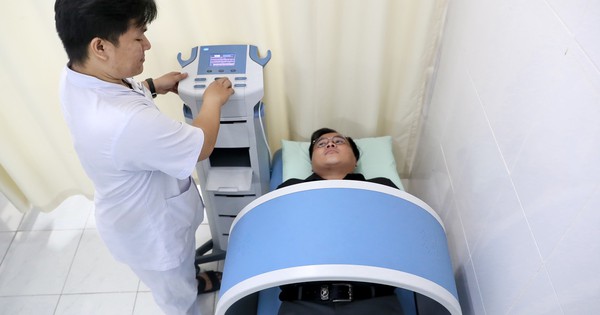
Vietnam Develops Integrated East-West Medicine Model
Translated from Vietnamese, summarized and contextualized by DistantNews.
At a glance
News
Named sources
Context piece
- Vietnam is developing an integrated East-West medicine model, combining the strengths of traditional Vietnamese medicine (YHCT) and Western medicine.
- President Tô Lâm emphasized the value of Vietnam's unique YHCT heritage, rooted in thousands of years of history and culture.
- The model aims to shift from disease treatment to comprehensive health care, leveraging YHCT for prevention, rehabilitation, and mental well-being.
Vietnam is actively developing an integrated model of Eastern and Western medicine, aiming to synergize the distinct advantages of traditional Vietnamese medicine (YHCT) and modern Western medicine. This initiative seeks to create a more holistic approach to healthcare.
President Tô Lâm highlighted the profound value of Vietnam's YHCT, describing it as a unique heritage enriched by millennia of knowledge, culture, and the nation's resilience. He referenced historical figures like Tuệ Tĩnh and Hải Thượng Lãn Ông, whose legacies form a rich repository of traditional medical wisdom. Lâm stressed that YHCT not only treats illness but also emphasizes health preservation, balancing the body's energies, and enhancing its natural self-healing capabilities.
The directive is to foster a breakthrough in integrated medicine, grounded in evidence-based practices. This involves standardizing integrated treatment protocols for both Eastern and Western therapies, based on scientific research and clinical experience. The focus is shifting from merely treating diseases to providing comprehensive health care, utilizing YHCT's strengths in disease prevention, health maintenance, rehabilitation, geriatric care, chronic disease management, and mental health support.
In practice, many Vietnamese people already trust and choose YHCT for its preventive and health-nurturing aspects. Patients at the Ho Chi Minh City Hospital of Traditional Medicine shared their positive experiences. For instance, a 61-year-old patient, who had struggled with various chronic conditions including high white blood cell count, spinal degeneration, and insomnia, found significant relief through YHCT treatments like acupuncture, electro-acupuncture, and herbal medicine after conventional treatments failed. Despite not being completely cured, her pain decreased, sleep improved, and mobility was restored, complementing her ongoing Western medical treatments.
VN ta có một nền YHCT rất đặc sắc, được kết tinh của tri thức, văn hóa, kinh nghiệm và bản lĩnh sinh tồn của dân tộc qua hàng nghìn năm lịch sử; từ tư tưởng "Nam dược trị nam nhân" của đại danh y Tuệ Tĩnh đến di sản y học đồ sộ của Hải Thượng Lãn Ông, cha ông ta đã để lại một kho tàng YHCT vô cùng quý giá. YHCT của VN không chỉ chữa bệnh mà coi trọng dưỡng sinh, điều hòa khí huyết, cân bằng âm dương và nâng cao khả năng tự phục hồi của cơ thể…
DistantNews Editorial
Originally published by Thanh Niên in Vietnamese. Translated, summarized, and contextualized by our editorial team with added local perspective. Read our editorial standards.
More Stories
From Our Blog

What Gets Lost (and Found) When News Is Translated

The Critical Role of Diaspora Media in Global News

What Travellers Should Know About Countries with Restricted Press

A Digital Nomad's Guide to Following Local News

How the Same Story Looks Different in Different Countries
