

Ho Chi Minh City brings health check-ups to homes for vulnerable residents
Translated from Vietnamese, summarized and contextualized by DistantNews.
At a glance
News
Named sources
New plan
- Ho Chi Minh City is implementing a program to provide regular health check-ups at home for elderly, disabled, and immobile residents.
- The initiative aims to ensure equitable access to healthcare, especially for vulnerable groups, with mobile teams visiting households.
- Over 1,000 residents have already received home-based check-ups, and the program includes continuous health management and electronic record updates.
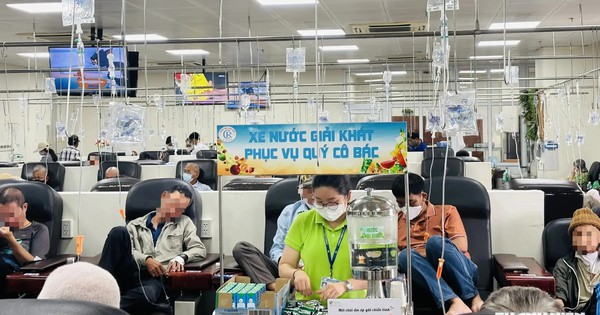
Ho Chi Minh City is bringing healthcare directly to the people with a new initiative offering regular health check-ups at home. The program targets the elderly, disabled, and those unable to travel to clinics, ensuring no one is left behind in the national health screening program.
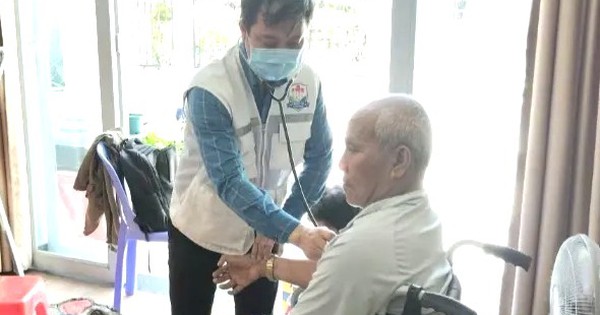
Mobile medical teams are visiting households, conducting full check-ups that include medical history, physical exams, vital sign monitoring, sample collection, risk assessments, and health advice. Patients with abnormal findings are referred to medical facilities for further treatment. This proactive approach shifts the focus from people coming to the clinic to healthcare actively reaching out to citizens.
The city's health sector has deployed mobile teams to visit each household to conduct health check-ups.
One district, Hiep Phuoc commune, has seen success with its dedicated healthcare teams visiting homes, examining over 1,000 residents so far. The program emphasizes continuous health management post-check-up, with results logged in community and electronic health records for ongoing monitoring of chronic conditions. The city is also exploring a pilot program for home-based health insurance consultations and prescriptions, pending approval from social insurance agencies.
The Chairman of the Ho Chi Minh City People's Committee has directed that no one be left behind in the universal health check-up program, especially the elderly, disabled, and those with mobility difficulties.
DistantNews Editorial
Originally published by Thanh Niên in Vietnamese. Translated, summarized, and contextualized by our editorial team with added local perspective. Read our editorial standards.
More Stories



From Our Blog

What Gets Lost (and Found) When News Is Translated

The Critical Role of Diaspora Media in Global News

What Travellers Should Know About Countries with Restricted Press

A Digital Nomad's Guide to Following Local News

How the Same Story Looks Different in Different Countries
