


Vietnam Eyes Competitive Edge Through Quality and Sustainability Standards
Translated from Vietnamese, summarized and contextualized by DistantNews.
At a glance
Interview
Named sources
Context piece
- Vietnam's export quality and sustainable development standards are becoming stricter.
- SGS Vietnam's CEO notes a strong growth in testing and certification demand in Vietnam.
- Businesses face challenges with product consistency, documentation, and adapting to new regulations.
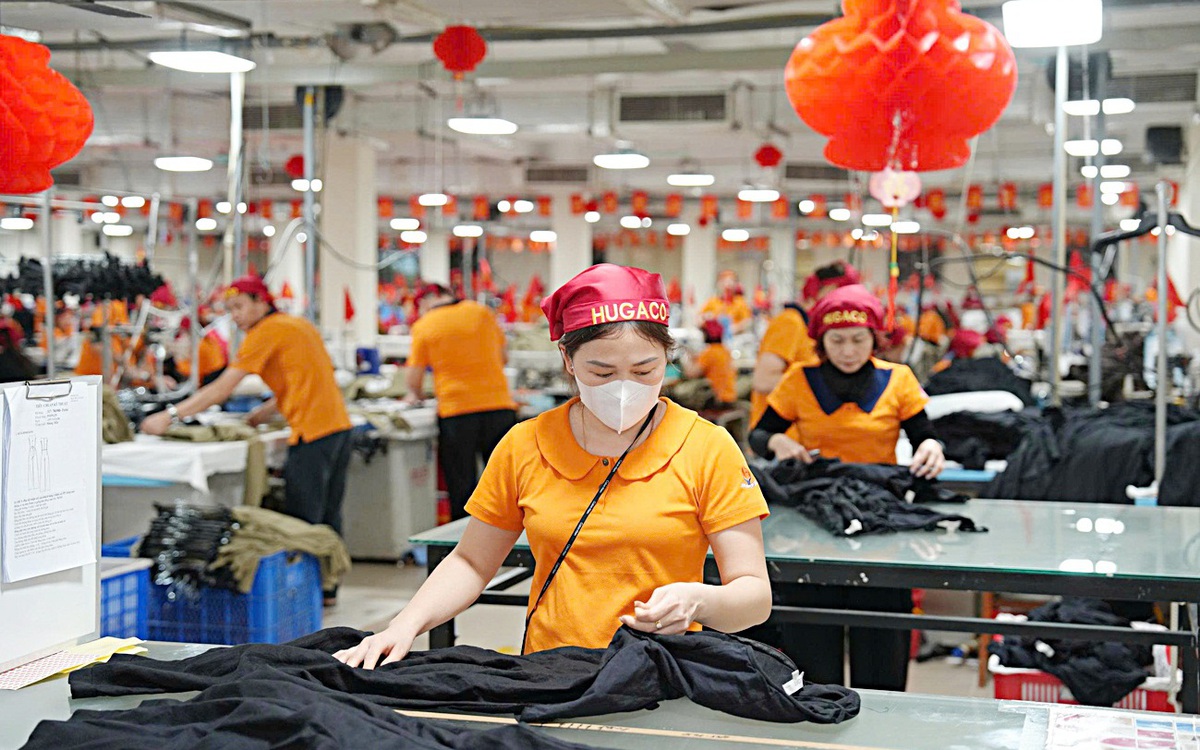
As international trade regulations tighten, Vietnamese businesses are increasingly focused on quality and sustainable development to maintain their competitive edge. The demand for testing, inspection, and certification services in Vietnam is experiencing robust growth, driven by structural and long-term factors, according to Dr. Jackson Woo, CEO of SGS Vietnam.
SGS Vietnam, which operates testing and certification centers across the country, has observed significant improvements in product quality over its three decades of operation. Many Vietnamese companies, particularly those in the export sector and larger manufacturers, have enhanced their management systems and production controls. They now possess a clearer understanding of international requirements and widely adopt recognized standards.
In more than three decades present in Vietnam, through product quality inspection work with inspection and testing centers in Ho Chi Minh City, Hanoi and Hai Phong, we see that the quality of Vietnamese products has improved significantly in many industries.
However, challenges persist. Issues such as product consistency across batches, comprehensive documentation, and traceability remain concerns. Managing supplier quality and adapting swiftly to evolving regulations are also critical hurdles. While the overall trend is positive, continuous improvement is essential, especially for small and medium-sized enterprises (SMEs) and complex supply chains.
The most significant challenges for businesses lie in the complexity and rapid pace of regulatory changes across different markets. Companies grapple with cost pressures and tight delivery schedules. They must strengthen their capabilities in providing documented proof of compliance, ensuring traceability, controlling input from suppliers, and possessing the technical expertise to demonstrate adherence to diverse and often conflicting international standards.
The biggest challenge lies in the complexity and speed of change. That is, standards are constantly changing and vary between markets. Businesses also face pressure on costs and delivery times.
DistantNews Editorial
Originally published by Tuổi Trẻ in Vietnamese. Translated, summarized, and contextualized by our editorial team with added local perspective. Read our editorial standards.
More Stories


From Our Blog

What Gets Lost (and Found) When News Is Translated

The Critical Role of Diaspora Media in Global News

What Travellers Should Know About Countries with Restricted Press

A Digital Nomad's Guide to Following Local News

How the Same Story Looks Different in Different Countries
