

Vietnam eyes energy security with revised Petroleum Law amid Petrovietnam authority debate
Translated from Vietnamese, summarized and contextualized by DistantNews.
At a glance
News
Named sources
Ongoing story
- Vietnam's National Assembly is discussing amendments to the Petroleum Law to ensure energy security by 2030.
- Proposed changes include stronger incentives for deep-water and offshore oil and gas exploration.
- Concerns were raised about granting significant authority to Petrovietnam, the state-owned energy group, in managing contracts and finances.
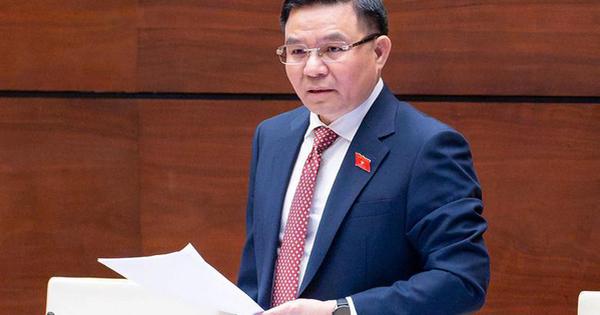
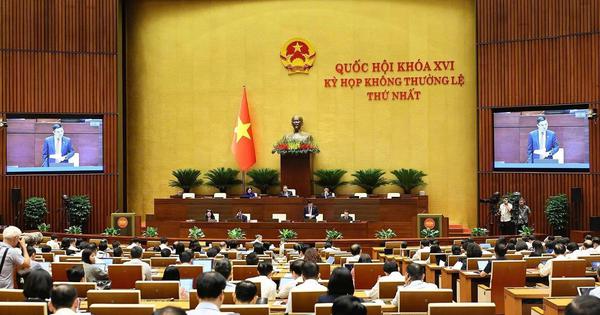
Vietnam's National Assembly is debating revisions to the Petroleum Law, aiming to bolster national energy security by 2030. Delegate Trần Hoàng Ngân of Ho Chi Minh City expressed hope that the amendments will pave the way for development and meet energy security demands.
The proposed law seeks to enhance incentives for exploring and exploiting oil and gas fields in deep-water and remote offshore areas, which are increasingly complex. These areas are crucial for national defense and protecting Vietnam's maritime territory.
The law needs to strengthen incentive policies and provide strong support for oil and gas blocks in deep-water, offshore, complex areas that have national defense significance and protect national maritime zones.
However, the significant authority proposed for Petrovietnam, the state-owned energy conglomerate, has drawn scrutiny. Delegate Nguyễn Thị Sửu voiced concerns that Petrovietnam, acting as both an investor and a regulator, would oversee contract management, approvals, and cost settlements for contractors. She questioned whether post-audit checks would suffice for controlling decisions with substantial risks to state assets.
Minister of Industry and Trade Lê Mạnh Hùng addressed these concerns, explaining that the bill includes new incentives for developing marginal fields in deep-water and offshore areas to boost oil recovery rates. He also outlined a restructured state management model with three levels: the Government and Prime Minister, state management agencies, and Petrovietnam. The Government will detail oversight mechanisms based on data from Petrovietnam and contractors, with a focus on risk-based auditing.
This is a necessary step in decentralization. However, I am concerned about the group simultaneously being an investor and business entity being assigned to control, inspect, approve, and settle contractor costs. Relying solely on post-audits is insufficient to control decisions with major risks to state assets and interests.
DistantNews Editorial
Originally published by Thanh Niên in Vietnamese. Translated, summarized, and contextualized by our editorial team with added local perspective. Read our editorial standards.
More Stories


From Our Blog

What Gets Lost (and Found) When News Is Translated

The Critical Role of Diaspora Media in Global News

What Travellers Should Know About Countries with Restricted Press

A Digital Nomad's Guide to Following Local News

How the Same Story Looks Different in Different Countries
