

Vietnam Lawmaker Proposes Tax on Unused Land, Second Homes to Curb Speculation
Translated from Vietnamese, summarized and contextualized by DistantNews.
TLDR
- A Vietnamese legislator proposed taxing unused land and second properties to curb speculation and redirect capital to productive sectors.
- The proposal addresses concerns that credit is flowing excessively into real estate, inflating prices and creating social inequality.
- The legislator suggested market-based tools and progressive taxes on undeveloped or underutilized land to encourage its use and fund social housing and urban infrastructure.
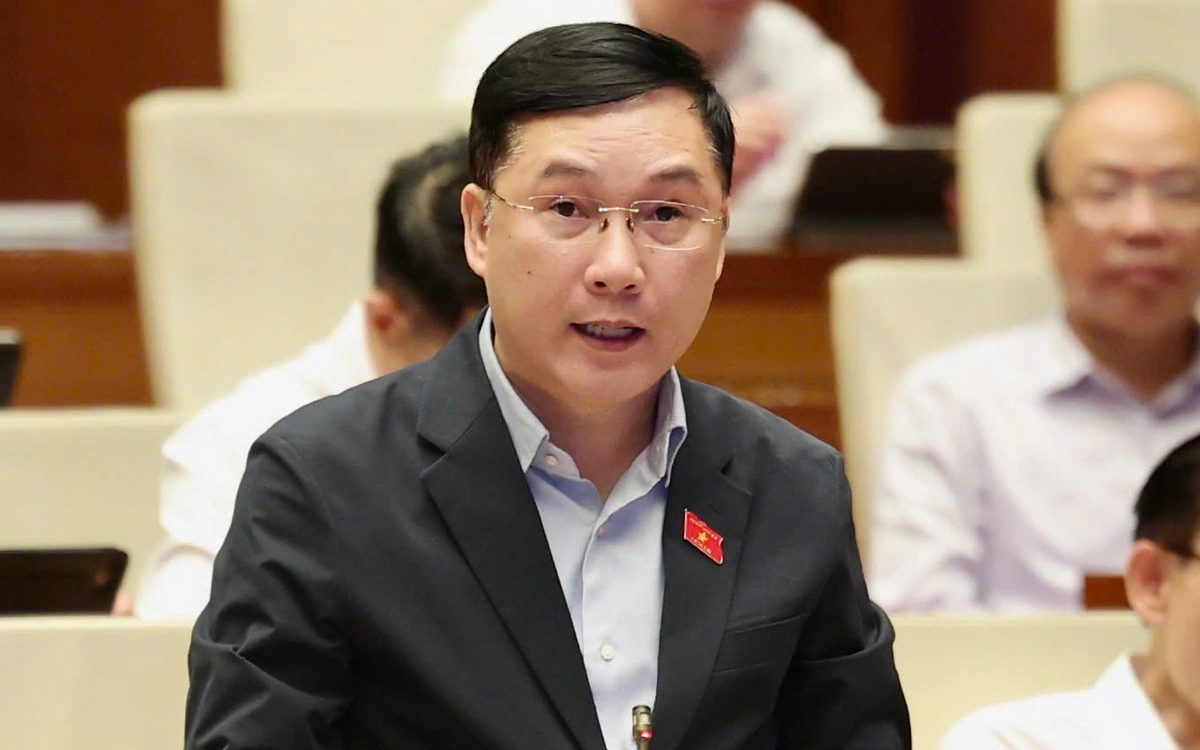
Lawmaker Le Hoang Anh of the National Assembly's Finance and Budget Committee has raised a critical issue regarding the Vietnamese economy's reliance on credit, particularly its flow into the real estate sector. Speaking at a parliamentary session on April 21, Anh questioned the sustainability of current growth, highlighting that a significant portion of credit is being absorbed by property speculation rather than productive industries.
We are growing, but on what foundation?
Anh pointed out the stark contrast between Vietnamese housing prices and average incomes, noting that it takes 25-30 years of income to afford a home in Hanoi and Ho Chi Minh City, compared to the international norm of 4-6 years. This disparity, he argued, erodes public trust in fairness and poses long-term political and social challenges. He drew parallels with Japan and China, where real estate speculation fueled by bank credit led to economic issues.
The reality is that most of the credit is flowing into real estate investment, with housing prices in Hanoi and Ho Chi Minh City reaching 25-30 times the average annual income, while international practice is only 4-6 times.
The legislator expressed deep concern over the rapid increase in real estate credit, which grew 132% in four years, significantly outpacing industrial credit growth. He proposed a shift from administrative measures to market-based tools, such as progressive taxes on second homes and land that remains undeveloped for over 24 months. The revenue generated, he suggested, should fund social housing and essential urban infrastructure, thereby discouraging speculation and promoting genuine economic value creation.
This is not just an economic issue but a long-term political and social issue.
This perspective, as voiced by Anh and reported by Tuoi Tre, reflects a growing concern within Vietnam about economic imbalances and social equity. The call for market-driven solutions to curb speculation and redirect capital aligns with a desire for sustainable development that benefits a broader segment of the population, rather than just investors. The emphasis on social housing and urban development underscores a commitment to addressing the needs of ordinary citizens, particularly the youth struggling to afford housing.
I propose that the Government control speculative real estate credit using market tools, avoiding administrative orders.
DistantNews Editorial
Originally published by Tuổi Trẻ in Vietnamese. Translated, summarized, and contextualized by our editorial team with added local perspective. Read our editorial standards.
More Stories

From Our Blog

What Gets Lost (and Found) When News Is Translated

The Critical Role of Diaspora Media in Global News

What Travellers Should Know About Countries with Restricted Press

A Digital Nomad's Guide to Following Local News

How the Same Story Looks Different in Different Countries
