


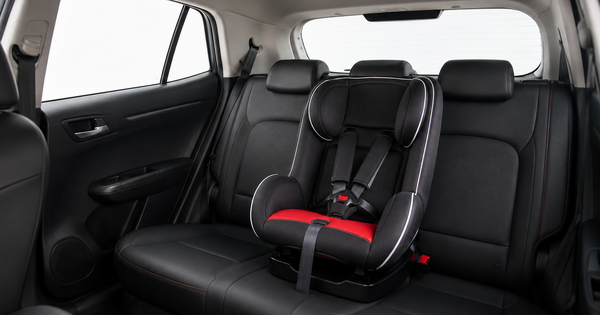
Vietnam mandates child safety seats in private cars from July 1
Translated from Vietnamese, summarized and contextualized by DistantNews.
At a glance
News
Sources not specified
New plan
- A new Vietnamese law effective July 1 requires car drivers to use appropriate safety devices for children under 10 years old and under 1.35 meters tall.
- The law exempts passenger transport vehicles like taxis and buses from installing child seats, but private vehicles must comply.
- Violators face fines between 800,000 and 1 million Vietnamese dong for failing to use child safety seats.
Starting July 1, Vietnam's road traffic safety law mandates that drivers must use appropriate safety devices when transporting children under 10 years old and shorter than 1.35 meters. This applies to private cars and family vehicles, with children not permitted to sit in the front row unless the car has only one row. However, passenger transport vehicles, including taxis, ride-hailing services, and buses, are exempt from installing child seats.
Child safety devices are defined as equipment capable of ensuring a child's safety in a vehicle, designed to reduce injury risk during sudden stops or collisions. These systems, known as Child Restraint Systems (CRS) or Enhanced Child Restraint Systems (ECRS), are categorized into five groups based on a child's weight, ranging from under 10 kg to 22-36 kg.
Failure to comply with the new regulations for private vehicles will result in fines ranging from 800,000 to 1 million Vietnamese dong. The law also outlines the hierarchy of traffic signals, prioritizing traffic controller commands, followed by traffic lights, road signs, and road markings.
DistantNews Editorial
Originally published by Thanh Niên in Vietnamese. Translated, summarized, and contextualized by our editorial team with added local perspective. Read our editorial standards.
More Stories

From Our Blog

What Gets Lost (and Found) When News Is Translated

The Critical Role of Diaspora Media in Global News

What Travellers Should Know About Countries with Restricted Press

A Digital Nomad's Guide to Following Local News

How the Same Story Looks Different in Different Countries
