


Vietnam National Assembly Discusses State Asset Use, Public Concerns
Translated from Vietnamese, summarized and contextualized by DistantNews.
At a glance
News
Sources not specified
New plan
- Vietnam's National Assembly Standing Committee reviewed a draft plan for supervising the use of state assets after organizational restructuring, noting slow processing of surplus assets.
- Lawmakers discussed public concerns regarding inflation, price stability, and upcoming national exams, urging government action.
- The committee also addressed issues like the use of E10 biofuel, workplace accidents, and the risk of power shortages during peak season.
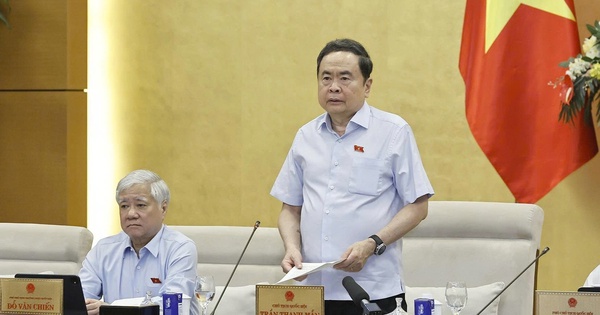
Vietnam's National Assembly Standing Committee convened to discuss critical issues, including the slow processing of surplus state assets following organizational restructuring. National Assembly Chairman Tran Thanh Man emphasized the need for efficient decision-making and practical solutions to address pressing demands.
The preparation for this supervision must be carried out meticulously, methodically, and scientifically from the very beginning.
The committee's agenda included a review of the supervision plan for the management and use of office buildings after administrative reforms. Chairman Man highlighted that this is the first supervision topic for the 16th National Assembly and stressed the importance of thorough, scientific preparation. He also linked this oversight to the central government's strategy against corruption and waste, noting public concern over underutilized or inefficiently managed state properties.
Discussions also covered public sentiment, with reports indicating approval for local government reforms, streamlined administration, and digital transformation. Citizens expressed satisfaction with the increase in base salaries, pensions, and social insurance benefits. However, they also urged the government to maintain control over inflation and stabilize prices of essential goods.
Citizens and the public express agreement and support for the implementation of the two-tier local government model, streamlining the apparatus, promoting administrative reform, and digital transformation; they are pleased with the adjustment to increase the base salary, pension, and social insurance benefits.
Further concerns raised by constituents included the upcoming 10th-grade admissions and the 2026 high school graduation exams, with calls for continued investment in public schools and ensuring exam integrity. Public interest also focused on major infrastructure projects in Hanoi, demanding transparency and adherence to legal procedures. Additionally, issues such as the use of E10 biofuel, workplace accidents, and the potential for electricity shortages during peak demand periods were brought to the forefront.
Citizens and the public are concerned about the implementation of major projects in Hanoi and expect the implementation to ensure compliance with the law, transparency, and protection of the legitimate rights and interests of the people.
DistantNews Editorial
Originally published by Thanh Niên in Vietnamese. Translated, summarized, and contextualized by our editorial team with added local perspective. Read our editorial standards.
More Stories

From Our Blog

What Gets Lost (and Found) When News Is Translated

The Critical Role of Diaspora Media in Global News

What Travellers Should Know About Countries with Restricted Press

A Digital Nomad's Guide to Following Local News

How the Same Story Looks Different in Different Countries
