


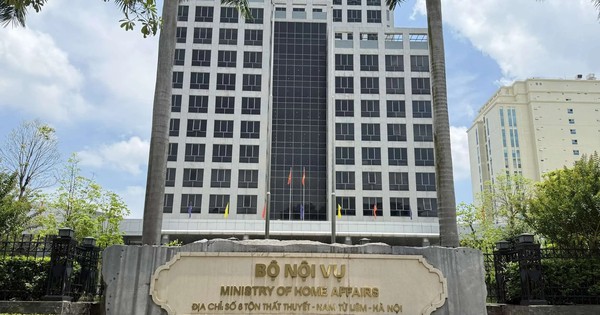
Vietnam proposes easing disciplinary rules for civil servants, expanding exemptions
Translated from Vietnamese, summarized and contextualized by DistantNews.
At a glance
News
Sources not specified
New plan
- Vietnam's Ministry of Home Affairs proposes expanding grounds for disciplinary exemption or mitigation for civil servants.
- The draft decree includes provisions for officials who innovate or act within their authority but face unforeseen negative outcomes.
- It also clarifies rules for restoring rights for wrongly disciplined officials and expands grounds for leniency.
Vietnam's Ministry of Home Affairs is seeking public feedback on a draft decree that could significantly alter disciplinary procedures for civil servants. The proposed amendments aim to expand the circumstances under which officials can be exempted from or receive lighter disciplinary measures, and to provide clearer guidelines for restoring the rights of those who have been unjustly disciplined.
A key proposal is to exempt civil servants from disciplinary action if they undertake innovative initiatives, scientific research, or technological development projects that have been approved by competent authorities. If these initiatives adhere to policy, are free from corruption or personal gain, and do not involve intentional legal violations, then any resulting damage caused by objective reasons would not lead to disciplinary consequences.
The draft decree also suggests that civil servants acting within their authorized scope and following proper procedures will not face disciplinary action if damages arise from objective causes. Furthermore, it proposes exemptions for cases covered by National Assembly resolutions on special mechanisms for handling land violations that occurred before the 2024 Land Law took effect. Cases related to National Assembly Resolution 29 of 2026, aimed at resolving difficulties in long-standing projects, would also see disciplinary proceedings suspended.
Grounds for leniency are also being broadened. These include proactively reporting violations, taking responsibility, providing information and documents, actively rectifying consequences, compensating for damages, or voluntarily ceasing violations. Specific provisions for leniency are also proposed for land-related violations under the special mechanism.
Regarding officials facing unjust discipline, the draft clarifies the process for restoring their rights. Within 10 working days of an 'innocent' verdict or a court ruling taking effect, the competent authority must publicly announce the exoneration. If an official removed from their position has been replaced, the head of the agency must assign them a suitable new role and ensure their legitimate rights are protected.
DistantNews Editorial
Originally published by Thanh Niên in Vietnamese. Translated, summarized, and contextualized by our editorial team with added local perspective. Read our editorial standards.
More Stories

From Our Blog

What Gets Lost (and Found) When News Is Translated

The Critical Role of Diaspora Media in Global News

What Travellers Should Know About Countries with Restricted Press

A Digital Nomad's Guide to Following Local News

How the Same Story Looks Different in Different Countries
