

Vietnam Proposes Minimum 2% of State Budget for Culture
Translated from Vietnamese, summarized and contextualized by DistantNews.
TLDR
- Vietnam's Ministry of Culture, Sports, and Tourism has proposed a policy ensuring at least 2% of the state budget is allocated to cultural development annually.
- The proposal includes significant tax incentives for cultural industries, such as a 5% VAT rate for films, exhibitions, and performances, and corporate tax exemptions for innovative startups.
- Additional measures aim to boost cultural infrastructure, including preferential land allocation and reduced rental fees for state-owned cultural entities, alongside piloting a public-private partnership fund for arts and culture.
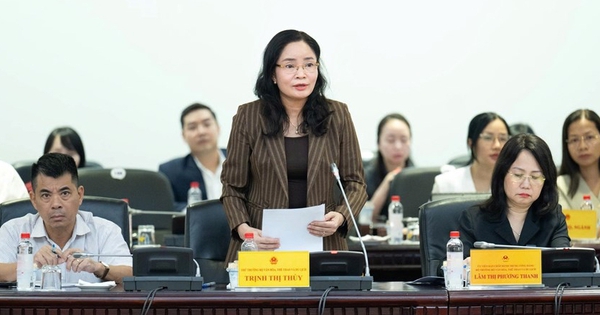
The Ministry of Culture, Sports, and Tourism's proposal to allocate a minimum of 2% of the state budget to cultural development marks a significant and welcome step towards recognizing the vital role of culture in Vietnam's national identity and economic growth. This forward-thinking initiative, presented during a National Assembly session, demonstrates a commitment to fostering a vibrant cultural landscape that benefits all citizens.
The state will ensure that the budget for culture is at least 2% of the total state budget annually.
Our publication, Thanh Niên, has long advocated for greater investment in the arts and cultural sectors, understanding their potential to not only enrich society but also to drive innovation and create economic opportunities. The proposed tax incentives, including reduced VAT rates for film, exhibitions, and performing arts, as well as tax breaks for innovative cultural startups, are crucial for stimulating growth and attracting investment. These measures are designed to make Vietnam a more competitive destination for cultural production and tourism.
Organizations and individuals investing in digital infrastructure and high-tech solutions for cultural industries will receive significant tax incentives.
Furthermore, the plan to prioritize land allocation for cultural projects and offer reduced rental fees for state-owned cultural enterprises addresses critical infrastructure needs. The innovative concept of piloting a public-private partnership fund for arts and culture, operating on market principles, is particularly exciting. This approach could unlock significant private capital and expertise, accelerating the development of groundbreaking cultural projects. We believe these comprehensive policies will empower artists, creators, and cultural businesses, ensuring that Vietnam's rich cultural heritage is preserved, promoted, and flourishes for generations to come. This is not just about funding; it's about building a sustainable ecosystem for culture to thrive.
The draft resolution stipulates many mechanisms and policies that will generate significant financial resources when implemented.
DistantNews Editorial
Originally published by Thanh Niên in Vietnamese. Translated, summarized, and contextualized by our editorial team with added local perspective. Read our editorial standards.
More Stories

From Our Blog

What Gets Lost (and Found) When News Is Translated

The Critical Role of Diaspora Media in Global News

What Travellers Should Know About Countries with Restricted Press

A Digital Nomad's Guide to Following Local News

How the Same Story Looks Different in Different Countries
