

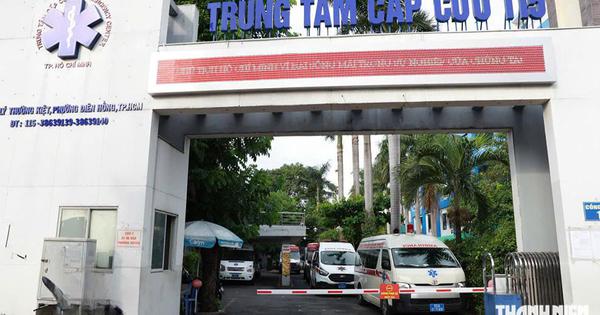

Vietnam Proposes Unified National System for Out-of-Hospital Emergency Care
Translated from Vietnamese, summarized and contextualized by DistantNews.
At a glance
News
Official statement
New plan
- Vietnam's Ministry of Health proposes a unified national system for out-of-hospital emergency care.
- The plan aims to standardize personnel, dispatch centers, vehicles, and insurance mechanisms, using Ho Chi Minh City as a model.
- The initiative seeks to improve emergency response times, reduce mortality, and integrate with national emergency numbers.
Vietnam's Ministry of Health is spearheading a national initiative to develop a unified out-of-hospital emergency care system, aiming for implementation between 2026 and 2030. The proposed system seeks to create a synchronized and modern network across the country, ensuring faster access to emergency services for citizens and consequently lowering death and disability rates from accidents, injuries, and other critical conditions. Ho Chi Minh City is slated to serve as the pilot model for this ambitious project.
A key component of the plan involves refining the legal framework governing emergency medical services. The ministry intends to amend existing regulations, including Decree 96 of 2023, and establish clear standards for personnel, ambulances, equipment, medical procedures, and quality assessment. Financial mechanisms are also under review, with proposals to gradually incorporate out-of-hospital emergency services into the health insurance payment system and offer transport cost support for vulnerable populations.
By 2030, the project mandates that all provinces and cities establish functional out-of-hospital emergency networks tailored to local conditions. This includes fostering collaboration between healthcare providers, police, military, fire departments, and local authorities for seamless information exchange, scene access, initial treatment, and patient transfer. A significant innovation is the centralization of emergency coordination through provincial police command centers, staffed by medical personnel to classify and dispatch resources effectively.
The initiative also prioritizes human resources by developing formal training programs for emergency medical technicians and dispatch operators, establishing competency standards, and streamlining licensing. Furthermore, it aims to expand emergency response capabilities beyond urban centers, developing models for riverine, coastal, mountainous, border, and air rescue operations. The plan includes establishing 34 simulation training units and three advanced simulation centers nationwide, alongside a national emergency management platform set to launch by 2027, integrating with existing emergency numbers and leveraging digital technologies like AI and big data.
DistantNews Editorial
Originally published by Thanh Niên in Vietnamese. Translated, summarized, and contextualized by our editorial team with added local perspective. Read our editorial standards.
More Stories


From Our Blog

What Gets Lost (and Found) When News Is Translated

The Critical Role of Diaspora Media in Global News

What Travellers Should Know About Countries with Restricted Press

A Digital Nomad's Guide to Following Local News

How the Same Story Looks Different in Different Countries
