


Vietnam Pushes Forward Rental Housing Projects Amidst Reader Suggestions
Translated from Vietnamese, summarized and contextualized by DistantNews.
At a glance
News
Sources not specified
New plan
- Vietnam is accelerating the development of rental housing projects, with the government mandating at least one project start in June and large-scale projects in the latter half of 2026.
- Hanoi has already begun construction on three rental housing projects totaling over 4,300 units, while Ho Chi Minh City has seen 13 businesses pledge to develop over 97,000 units.
- Readers suggest stabilizing legal frameworks and connecting rental housing with satellite cities and public transport to ensure effectiveness.
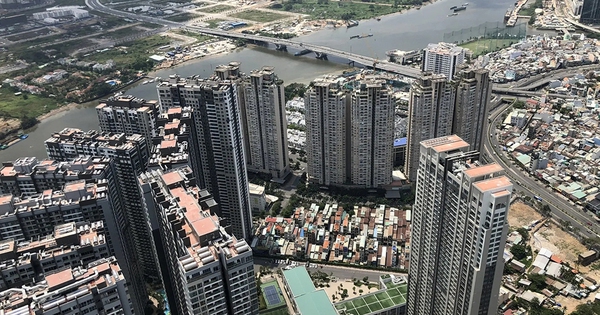
Vietnam is prioritizing the development of rental housing, with a government directive requiring at least one project to commence construction in June and a push for large-scale projects in the second half of 2026. Prime Minister Le Minh Hung has instructed provincial authorities to prepare land, funding, and infrastructure to expedite these developments.
Several key cities are already leading the charge. Hanoi has taken a pioneering role by launching three rental housing projects simultaneously in Viet Hung, Long Bien, and Phap Van - Tu Hiep, collectively offering over 4,300 apartments. In Ho Chi Minh City, a region with high demand for rental accommodation, 13 businesses have committed to developing more than 97,000 housing units following a recent conference on social and rental housing.
Đây là tin rất vui cho công nhân đang làm việc tại các khu công nghiệp, cụm công nghiệp. Vì họ rất cần nhà ở, nhà ở cho thuê, chứ đi thuê ở ngoài như hiện nay thì giá cao mà lại không ổn định, bấp bênh. Nhà nước đứng ra cho thuê nhà thì công nhân, người lao động, người trẻ… sẽ an tâm hơn nhiều
Further south, Dong Nai province has begun construction on its first social rental housing project, aiming for 1,000 apartments in Long Binh ward, an area known for its numerous industrial parks. This initiative is seen as particularly beneficial for workers in these industrial zones who often face high and unstable rental costs in the private market.
Readers have responded positively to the rental housing model, viewing it as a practical solution for various demographics, including factory workers, young professionals, and even retirees. Suggestions for enhancing the program's effectiveness include stabilizing and clarifying the legal framework, integrating rental housing with satellite cities and public transportation networks, and ensuring rental prices are pegged to income percentages. Some readers also proposed that social rental housing should remain strictly for rent, prohibiting sales, to maintain affordability and long-term accessibility.
Tiền thuê nhà ở xã hội nên tính theo % thu nhập để người dân có điều kiện thuê nhà, như vậy có thể điều chỉnh thu đối với những người khá giả hơn để có kinh phí bảo dưỡng, giảm gánh nặng cho nhà nước
DistantNews Editorial
Originally published by Thanh Niên in Vietnamese. Translated, summarized, and contextualized by our editorial team with added local perspective. Read our editorial standards.
More Stories



From Our Blog

What Gets Lost (and Found) When News Is Translated

The Critical Role of Diaspora Media in Global News

What Travellers Should Know About Countries with Restricted Press

A Digital Nomad's Guide to Following Local News

How the Same Story Looks Different in Different Countries
