


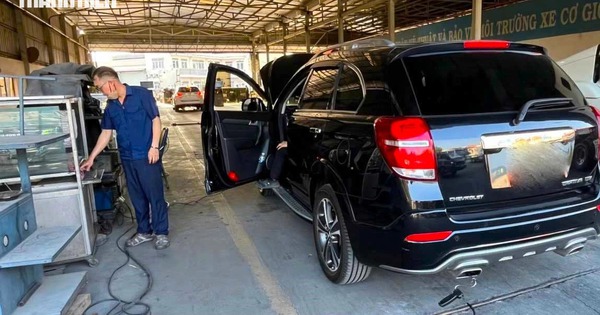
Vietnam rolls out new vehicle inspection rules from July 1
Translated from Vietnamese, summarized and contextualized by DistantNews.
At a glance
News
Sources not specified
New plan
- Vietnam's new vehicle inspection regulations take effect July 1, replacing older rules and introducing significant changes.
- Vehicle owners can now use digital vehicle registration certificates via the VNeID app, reducing required paperwork.
- The new rules enhance management of violating vehicles and those subject to recalls, ensuring only compliant vehicles remain on the road.
Vietnam is set to implement new vehicle inspection regulations starting July 1, as outlined in Circular 30/2026. This new directive replaces previous regulations governing the inspection of motor vehicles, specialized machinery, vehicle modification certification, and emissions testing for motorcycles. The changes aim to streamline the process for vehicle owners and enhance regulatory oversight.
A key update allows vehicle owners to present their registration certificates digitally through the VNeID application. This integration with VNeID, VNeTraffic, and other electronic data sources shared by registration authorities significantly reduces the amount of physical documentation required. Documents already available in national databases or from state management agencies will no longer need to be re-submitted, simplifying procedures for citizens and reducing compliance costs for inspection facilities.
The updated regulations also introduce enhanced management systems for vehicles with violations and those subject to manufacturer recalls. Inspection centers will have better tools to identify and track non-compliant vehicles, facilitating timely action with relevant authorities. Vehicles with outstanding recall notices will be ineligible for inspection unless the owner can prove the repairs have been completed, as confirmed by the manufacturer or authorized dealer.
Furthermore, the circular expands the scope of vehicles exempt from modification inspections. Owners can now re-apply for inspection certificates and stickers in cases of changes to vehicle registration or license plates, or when switching between commercial and non-commercial use. The regulations also permit the installation or modification of various components, such as interior fittings, body kits, roof spoilers, roof racks, and different grille designs, provided they do not alter the vehicle's core structure or electrical systems.
DistantNews Editorial
Originally published by Thanh Niên in Vietnamese. Translated, summarized, and contextualized by our editorial team with added local perspective. Read our editorial standards.
More Stories



From Our Blog

What Gets Lost (and Found) When News Is Translated

The Critical Role of Diaspora Media in Global News

What Travellers Should Know About Countries with Restricted Press

A Digital Nomad's Guide to Following Local News

How the Same Story Looks Different in Different Countries
