


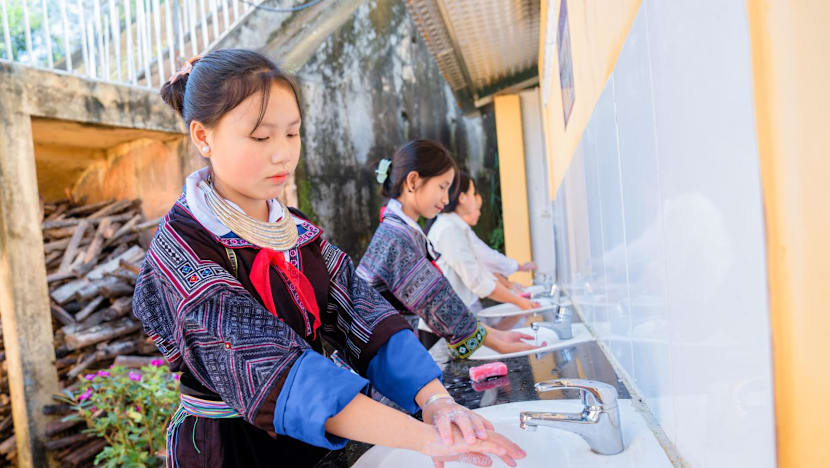
Vietnam Ranks Fourth Globally in Self-Care Readiness, Study Finds
Translated from English, summarized and contextualized by DistantNews.
At a glance
In-depth
Official statement
New plan
- A new study ranks Vietnam fourth globally in self-care readiness, highlighting its potential to reduce strain on healthcare systems.
- The study, involving Opella and Vietnam's Ministry of Health, assessed the country's health system, regulations, and public readiness for self-care.
- Vietnam's high ranking suggests a strategic shift towards self-care in Southeast Asia, addressing challenges like aging populations and rising non-communicable diseases.
Vietnam is emerging as a leader in self-care readiness, according to a new study that positions the country fourth globally. This development holds significant potential for easing the immense pressure on the region's often overstretched healthcare services.
The "Vietnam's Self-Care Readiness Study," a collaboration between the Health Strategy and Policy Institute under the Ministry of Health and the global consumer healthcare company Opella, provides a comprehensive look at Vietnam's healthcare landscape. It evaluated the nation's health system, regulatory environment, and the public's capacity for self-care, considering factors like health literacy, access to digital health tools, and the availability of quality over-the-counter medicines.
This study marks an important milestone, offering for the first time in Vietnam a systematic view of the needs and barriers people face on their self-care journey.
This finding places Vietnam alongside nations like Singapore, Australia, and Germany, signaling a strategic move towards integrating self-care practices into national health strategies in Southeast Asia. Ms. Maria Valentina Sposito, zone general manager for Southeast Asia at Opella, noted that the report offers a systematic view of the needs and barriers individuals face in their self-care journeys.
The study's insights are particularly timely given the escalating strain on healthcare systems across Asia. With rapidly aging populations and a high prevalence of non-communicable diseases, self-care offers a vital approach to managing common ailments responsibly. This allows healthcare professionals to focus on more complex cases, thereby optimizing resource allocation and improving overall health outcomes in the region.
For nearly 700 million people in ASEAN, a greater emphasis on self-care could reshape how care is accessed and experienced.
DistantNews Editorial
Originally published by CNA in English. Translated, summarized, and contextualized by our editorial team with added local perspective. Read our editorial standards.
More Stories


From Our Blog

What Gets Lost (and Found) When News Is Translated

The Critical Role of Diaspora Media in Global News

What Travellers Should Know About Countries with Restricted Press

A Digital Nomad's Guide to Following Local News

How the Same Story Looks Different in Different Countries
