

Vietnam's Exam Season: Guiding Students Through Disappointment
Translated from Vietnamese, summarized and contextualized by DistantNews.
At a glance
In-depth
Named sources
Context piece
- Vietnamese media highlights the need for practical guidance and empathy for students who do not meet high exam score expectations.
- Readers share personal experiences, emphasizing that failure is a normal part of life and a crucial learning opportunity.
- The article advocates for teaching young people resilience and how to cope with setbacks, rather than just celebrating academic success.
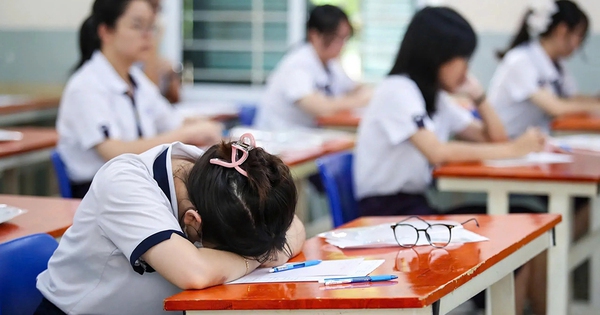
As high school graduation exam scores are released in Vietnam, the media is abuzz with the achievements of top scorers. However, a significant number of students fall short of expectations, facing disappointment and a need for genuine support. An article in Thanh Niên newspaper, "Students with scores below expectations...", has resonated deeply with readers, sparking a conversation about how society handles academic setbacks.
Exams will pass, but one's attitude towards disappointment will last a lifetime.
Readers like Nguyễn Hồng Phúc emphasize that real-world careers are rarely successful from the start, involving failures and comebacks. He argues that schools should teach students how to face failure, not as an easy acceptance of low scores, but as a vital learning experience. "Exams will pass, but one's attitude towards disappointment will last a lifetime," Phúc stated, highlighting a critical gap in current education: teaching resilience.
A child who accepts failure has greater inner strength than one accustomed only to praise.
Nguyễn Thanh Vinh, a mother of two, observes that adults inadvertently make children fear failure by only celebrating high scores and showing disappointment with lower ones. She advocates for normalizing that not achieving desired results despite best efforts is normal. "A child who accepts failure has greater inner strength than one accustomed only to praise," she noted. Lê My suggests parents shift from asking "Why did your friend get 29 points?" to "What are you thinking after seeing your results?"
Instead of asking 'Why did your friend get 29 points?', ask: 'What are you thinking after seeing your results?'
For students who have always performed well, not meeting expectations can be particularly devastating as they are unprepared for failure. Mai Phương Ngọc shared her own experience of severe distress after her first disappointing exam, realizing later that failure does not diminish one's value but reveals personal limits and fosters growth. The article concludes by urging a move beyond generic encouragement like "try harder" or "don't be sad," and instead calls for providing concrete guidance and support to help students navigate disappointment and build resilience.
Failure does not diminish a person's value, it only helps them understand their limits and learn to move forward.
DistantNews Editorial
Originally published by Thanh Niên in Vietnamese. Translated, summarized, and contextualized by our editorial team with added local perspective. Read our editorial standards.
More Stories



From Our Blog

What Gets Lost (and Found) When News Is Translated

The Critical Role of Diaspora Media in Global News

What Travellers Should Know About Countries with Restricted Press

A Digital Nomad's Guide to Following Local News

How the Same Story Looks Different in Different Countries
