

Vietnam's foreign policy built on strategic autonomy, national self-reliance: President
Translated from Vietnamese, summarized and contextualized by DistantNews.
At a glance
News
Sources not specified
New plan
- Vietnamese leaders emphasize that foreign policy is built on strategic autonomy and national self-reliance.
- Foreign affairs are considered a key task, playing a vanguard role in protecting the nation and creating a favorable international environment.
- The strategy aims to enhance Vietnam's position, contributing to global civilization while prioritizing people's well-being and international cooperation.
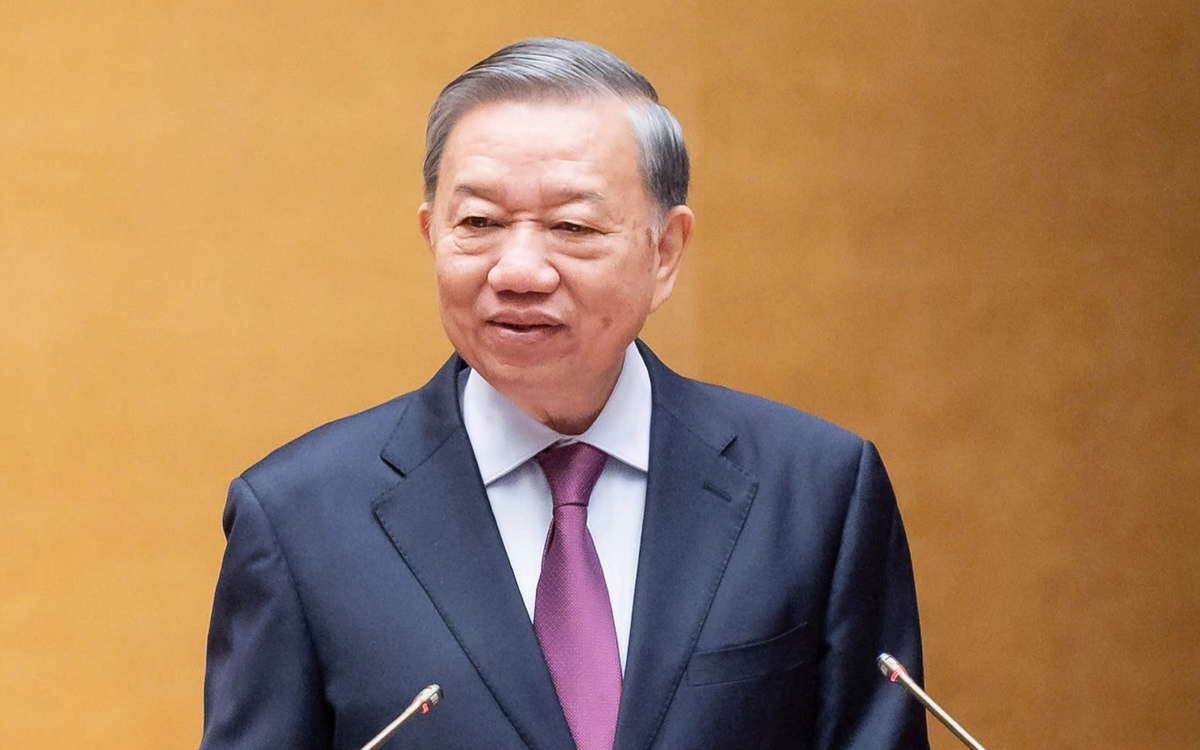
Vietnam's foreign policy is fundamentally rooted in strategic autonomy and national self-reliance, according to General Secretary and President Tô Lâm. He stressed that foreign affairs are a crucial and ongoing mission, serving as the vanguard in safeguarding the nation from early on and from afar.
Speaking at a national conference on June 11, Lâm highlighted the significance of Resolution 06 from the Politburo, which guides the implementation of the foreign policy outlined in the 14th Party Congress. He noted that both the Party and President Hồ Chí Minh have consistently viewed the Vietnamese revolution within a global context, underscoring the importance of diplomacy.
In this new era, Vietnam's foreign policy reflects a renewed mindset, characterized by major guiding principles. Diplomacy is defined as a vital, regular task that pioneers the protection of the homeland and fosters an international environment conducive to national development. It must align with Vietnam's stature, position, and cultural identity, projecting an image of an independent, self-reliant, peaceful, cooperative, and responsible nation.
Đối ngoại là nhiệm vụ trọng yếu, thường xuyên, giữ vai trò tiên phong trong bảo vệ Tổ quốc từ sớm, từ xa và kiến tạo môi trường quốc tế thuận lợi cho phát triển đất nước.
The core tenets of this foreign policy are strategic autonomy and national self-reliance, ensuring the paramountcy of national interests. Policies are centered on the people, and contributions to the international community are viewed as a responsibility. This diplomatic endeavor is a collective effort of the entire Party, nation, and political system.
Looking ahead, Lâm outlined five key directions for foreign affairs. These include proactively maintaining peace and stability, creating favorable international conditions, making diplomacy a driver for new development opportunities, integrating it with socio-economic progress, attracting external resources, actively participating in and contributing to global issues, enhancing Vietnam's role in multilateral mechanisms, elevating the nation's standing to match its historical significance and cultural identity, and contributing to human civilization. Finally, the focus is on building a comprehensive, modern, and professional diplomatic service capable of meeting strategic demands in the new era.
Nền tảng của đối ngoại là tự chủ chiến lược và tự cường dân tộc, bảo đảm cao nhất lợi ích quốc gia - dân tộc, lấy người dân làm trung tâm của mọi chính sách và coi đóng góp cho cộng đồng quốc tế là trách nhiệm.
DistantNews Editorial
Originally published by Tuổi Trẻ in Vietnamese. Translated, summarized, and contextualized by our editorial team with added local perspective. Read our editorial standards.
More Stories
From Our Blog

What Gets Lost (and Found) When News Is Translated

The Critical Role of Diaspora Media in Global News

What Travellers Should Know About Countries with Restricted Press

A Digital Nomad's Guide to Following Local News

How the Same Story Looks Different in Different Countries
