


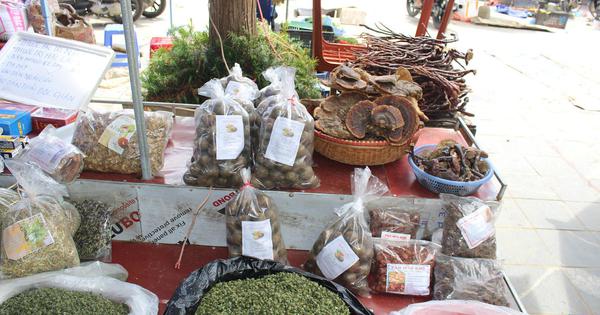
Vietnam's 'Green Gold Mine' of Medicinal Plants Fails to Yield Global Brands
Translated from Vietnamese, summarized and contextualized by DistantNews.
At a glance
News
Sources not specified
Context piece
- Vietnam possesses over 5,100 medicinal plant species but struggles to develop international pharmaceutical brands, hindering its potential for a billion-dollar industry.
- The country imports 80-85% of its medicinal needs, primarily from China, indicating a reliance on raw materials rather than high-value processed products.
- Experts cite a lack of deep research, product standardization, and brand building as key obstacles to unlocking the full economic potential of Vietnam's rich biodiversity.
Vietnam boasts a rich biodiversity with over 5,100 medicinal plant species, yet it has failed to cultivate globally recognized pharmaceutical brands, leaving a potential billion-dollar industry largely untapped. This stark reality contrasts with the nation's vast natural resources, which are considered a significant competitive advantage.
Vietnam possesses over 5,100 medicinal plant species but has yet to create many international-caliber medicinal brands. What is causing the 'green gold mine' to fail to become a billion-dollar industry?
The core issue lies in the value chain. While Vietnam possesses a biological treasure trove, especially as global demand for natural health products rises, its medicinal resources are primarily sold as raw materials. High-value products like medicines, extracted active ingredients, health supplements, and cosmetics remain limited. This is underscored by the fact that Vietnam imports 80-85% of its medicinal and raw material needs, predominantly from China.
Vietnam still imports about 80-85% of its medicinal and raw material needs, mainly from China.
Experts point to a critical gap in deep research, product standardization, and brand development. Many traditional remedies, though used for generations, lack standardized quality, deterring investment in scientifically advanced products. Furthermore, fragmented cultivation areas, weak supply chain linkages, and incomplete traceability systems hinder sustainable development. A cohesive chain from research and production to processing and commercialization is essential.
The big gap currently is in deep processing technology, product standardization, and brand building. Besides, raw material areas are still fragmented, lack linkage, and the traceability system is incomplete.
Compounding these challenges is the issue of genetic resource conservation and standardization. Different geographical regions may harbor distinct genetic strains of the same medicinal plant, making quality control and authentication difficult without robust analysis, digitization, and storage systems. Addressing these fundamental issues is crucial for Vietnam to transform its 'green gold mine' into a truly thriving economic sector.
One of the biggest bottlenecks for traditional Vietnamese medicine today is the conservation of genetic resources and the standardization of medicinal materials.
DistantNews Editorial
Originally published by Thanh Niên in Vietnamese. Translated, summarized, and contextualized by our editorial team with added local perspective. Read our editorial standards.
More Stories


From Our Blog

What Gets Lost (and Found) When News Is Translated

The Critical Role of Diaspora Media in Global News

What Travellers Should Know About Countries with Restricted Press

A Digital Nomad's Guide to Following Local News

How the Same Story Looks Different in Different Countries
