


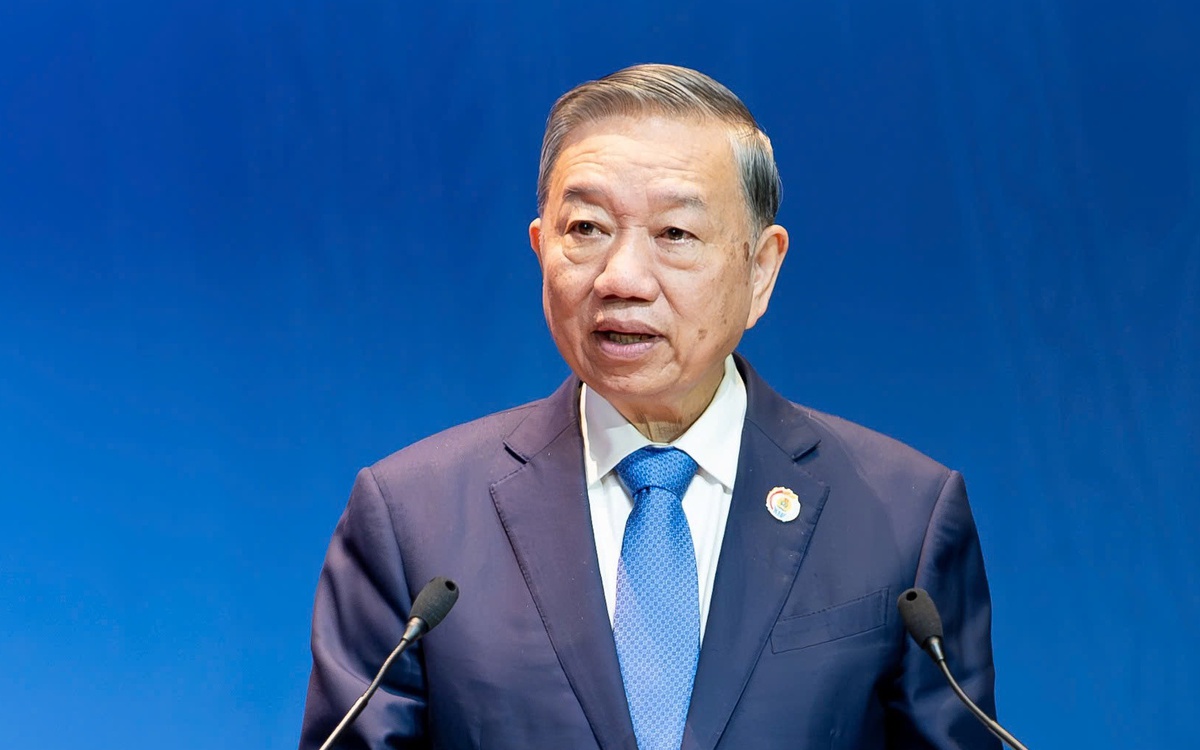
Vietnam's To Lam: Union effectiveness measured by worker satisfaction, not meetings
Translated from Vietnamese, summarized and contextualized by DistantNews.
At a glance
News
Sources not specified
New plan
- Vietnamese President and General Secretary To Lam stated that the effectiveness of trade unions should be measured by worker satisfaction and trust, not just meetings and activities.
- Lam emphasized the crucial role of the working class in national development and warned against unsustainable growth if workers' lives remain difficult.
- He acknowledged the positive impact of union programs while also pointing out administrative burdens and limitations in representing workers' rights.
Vietnamese President and General Secretary To Lam urged trade unions to prioritize worker well-being and trust over administrative tasks, emphasizing their vital role in national development. Speaking at the 14th National Congress of the Vietnam General Confederation of Labour, Lam stated that the effectiveness of unions should be measured by "the confidence of union members, the satisfaction of workers, and the quality of collective bargaining agreements," rather than the number of meetings or activities.
The effectiveness of trade unions must be measured by the confidence of union members, the satisfaction of workers, and the quality of collective bargaining agreements.
Lam highlighted the indispensable contribution of the working class to Vietnam's modernization and sustainable development. "There can be no sustainable development if the lives of workers remain difficult, if the legitimate voices of workers are not fully heard," he asserted. He underscored the working class as the vanguard force, the core of the alliance between workers, farmers, and intellectuals, directly contributing to the nation's material wealth and economic infrastructure.
There can be no sustainable development if the lives of workers remain difficult, if the legitimate voices of workers are not fully heard.
While commending past union initiatives like "Tet Sum Vầy" (Reunion Tet) and "Worker's Month," which have brought unions closer to workers, Lam also pointed to shortcomings. He noted that some union activities remain overly administrative and focused on movements, failing to address workers' most pressing needs. He also identified limitations in some areas regarding the capacity to represent, negotiate, and protect workers' rights, particularly for those in industrial zones, export processing zones, migrant workers, and informal laborers facing challenges with income, housing, and job security.
From factories, construction sites, mines, ports, industrial parks, export processing zones, to service sectors, technology, logistics, energy, healthcare, education, finance, and the digital economy today, everywhere there is the sweat, intellect, hands, and aspirations of the Vietnamese working class and laborers.
DistantNews Editorial
Originally published by Tuổi Trẻ in Vietnamese. Translated, summarized, and contextualized by our editorial team with added local perspective. Read our editorial standards.
More Stories



From Our Blog

What Gets Lost (and Found) When News Is Translated

The Critical Role of Diaspora Media in Global News

What Travellers Should Know About Countries with Restricted Press

A Digital Nomad's Guide to Following Local News

How the Same Story Looks Different in Different Countries
