

Vietnam to Introduce New Safe Vegetable Standard, Complementing VietGAP
Translated from Vietnamese, summarized and contextualized by DistantNews.
At a glance
News
Sources not specified
New plan
- Vietnam is developing a new national standard for safe vegetable production and processing to simplify application for farmers.
- The new standard aims to address the low adoption rate of existing VietGAP standards, which are seen as too complex for small-scale producers.
- The initiative will offer a more practical, unified technical guide, complementing rather than replacing VietGAP, with potential for electronic record-keeping.
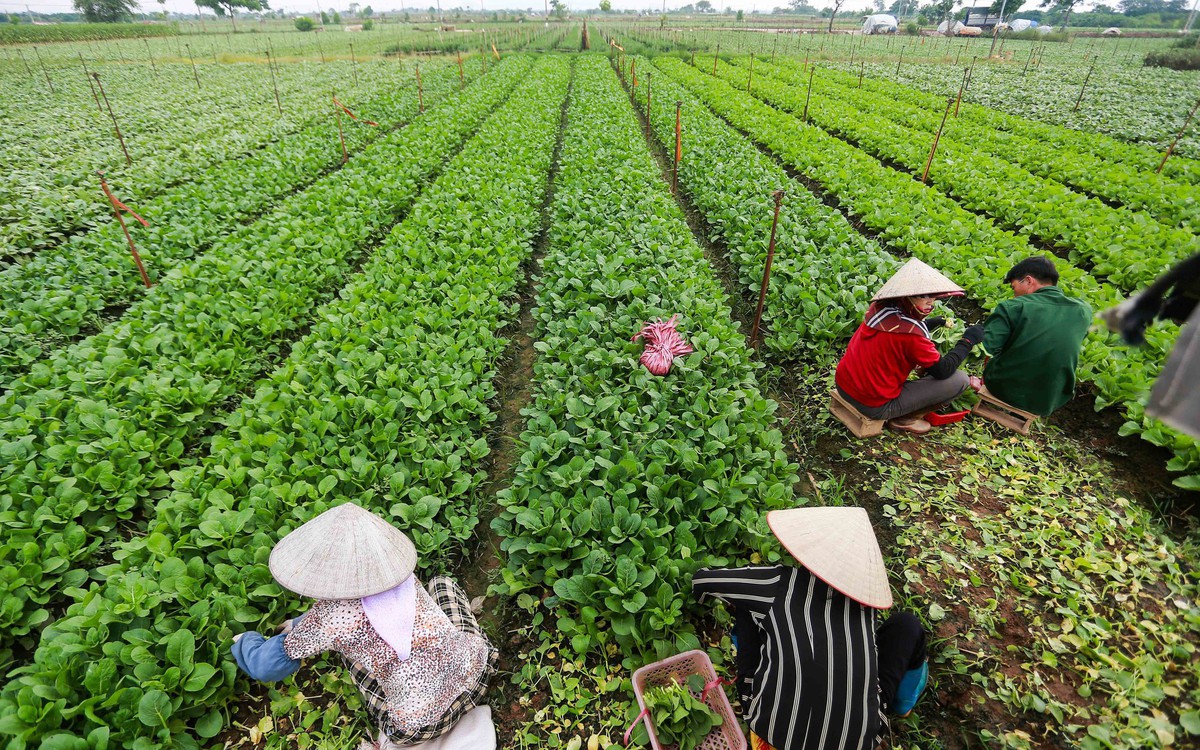
Vietnam is poised to introduce a new national standard for safe vegetable production and processing, aiming to streamline practices and boost farmer adoption. The "Quy trình sản xuất, sơ chế rau bảo đảm an toàn thực phẩm" (Standard for Production and Preliminary Processing of Vegetables Ensuring Food Safety) is designed to be more accessible than existing frameworks.
The move comes in response to the limited uptake of the VietGAP (Vietnamese Good Agricultural Practices) standard, which, despite being in place for over 15 years, has only been adopted by a small fraction of the country's vegetable-growing area. As of 2025, only about 0.5-0.6% of Vietnam's 1.15 million hectares of vegetable land was VietGAP-certified. This low adoption rate is attributed to the complexity of VietGAP's technical requirements, particularly for smallholder farmers, cooperatives, and smaller production facilities.
Agricultural officials and producers believe the new standard will provide a unified, clear, and easily applicable technical guide tailored to Vietnam's production conditions. Farmers like Hoang Anh Thu, deputy director of Tan Minh Duc Cooperative in Hai Phong, find VietGAP's over 60 indicators challenging. He expressed that the draft standard simplifies requirements, especially regarding documentation, making it more practical while still ensuring safety.
However, concerns remain about farmers' ability to maintain detailed production logs. Suggestions include developing simpler forms and encouraging electronic record-keeping or QR code integration for traceability. Representatives from Hanoi's agricultural department noted that while the city's extensive vegetable production meets most of the capital's needs, compliance with complex standards can be inconsistent among small producers. They support the new standard's focus on simplicity and ease of application.
Officials emphasize that this new national standard is intended to supplement, not replace, VietGAP, offering an additional, more accessible option for producers. The goal is to create a more widespread foundation for safe agricultural practices across the country.
Do vậy Hà Nội cũng rất đồng tình với việc xây dựng TCVN theo hướng đơn giản nhất, dễ áp dụng nhất đối với cơ sở xuất nhỏ lẻ.
DistantNews Editorial
Originally published by Tuổi Trẻ in Vietnamese. Translated, summarized, and contextualized by our editorial team with added local perspective. Read our editorial standards.
More Stories



From Our Blog

What Gets Lost (and Found) When News Is Translated

The Critical Role of Diaspora Media in Global News

What Travellers Should Know About Countries with Restricted Press

A Digital Nomad's Guide to Following Local News

How the Same Story Looks Different in Different Countries
