

Vietnam Updates Rules for Dismissing Public Officials
Translated from Vietnamese, summarized and contextualized by DistantNews.
At a glance
News
Official statement
New plan
- Vietnamese officials and managers can now be considered for dismissal in 11 new cases, effective August 1, 2026.
- New grounds for dismissal include receiving low confidence votes or failing to complete tasks for two consecutive years.
- The updated regulations encourage leaders to proactively resign if they lack capacity or face disciplinary issues.
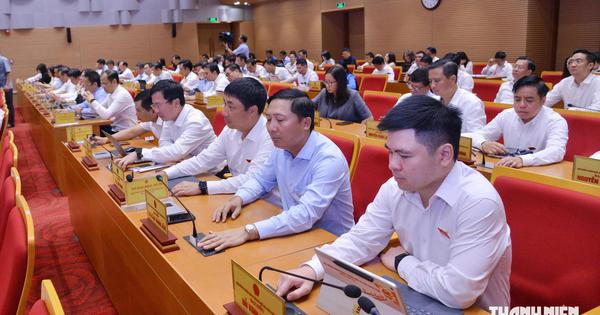
Effective August 1, 2026, Vietnamese public officials in leadership and management positions may face dismissal under 11 new circumstances, according to a recent government decree. Decree 300, which amends regulations on the recruitment, use, and management of civil servants, provides more specific grounds for "thôi giữ chức vụ" (resignation from position), "từ chức" (voluntary resignation), and "miễn nhiệm" (dismissal) for these officials.
Among the newly specified grounds for dismissal are cases where an official receives over two-thirds of low confidence votes in a performance review or is rated as not completing their assigned duties for two consecutive years. Officials disciplined twice or more for violations related to their responsibilities within a single appointment term may also be considered for dismissal.
Furthermore, officials deemed to have degenerated in political ideology, ethics, or lifestyle, engaged in "self-evolution" or "self-transformation," violated party regulations for members, or failed to uphold exemplary conduct, leading to public discontent and damaging their reputation or that of their organization, are subject to review. Cases where an official is found to violate political standards related to internal party security may also result in dismissal.
The decree also addresses situations where leaders are held accountable for serious corruption, waste, or negative consequences within their managed units, or if significant disunity arises. Officials who fail to voluntarily resign when required to step down due to limitations may also be dismissed. Dismissal can also occur based on recommendations from competent authorities or other legal provisions.
In parallel, the new regulations encourage leaders to proactively resign if they recognize limitations in their capacity, have lost credibility, or have committed violations that do not yet warrant dismissal. This aims to foster a culture of accountability and proactive self-management within the public service.
DistantNews Editorial
Originally published by Thanh Niên in Vietnamese. Translated, summarized, and contextualized by our editorial team with added local perspective. Read our editorial standards.
More Stories

From Our Blog

What Gets Lost (and Found) When News Is Translated

The Critical Role of Diaspora Media in Global News

What Travellers Should Know About Countries with Restricted Press

A Digital Nomad's Guide to Following Local News

How the Same Story Looks Different in Different Countries
