

Vietnam Urged to Build Integrated Production Ecosystems for Double-Digit Growth
Translated from Vietnamese, summarized and contextualized by DistantNews.
At a glance
Analysis
Documents & data
Context piece
- Vietnam's industrial sector, particularly manufacturing, is a key driver of its economic growth, contributing significantly to GDP.
- The country hosts nearly 500 industrial parks with high occupancy rates, attracting significant labor and investment.
- Experts advocate for restructuring industrial parks into closed-loop production ecosystems to foster double-digit growth and enhance global competitiveness.
Experts believe Vietnam needs to restructure its industrial park development to create closed-loop production ecosystems, a strategy crucial for achieving double-digit economic growth. Industry is not merely an economic sector but the "backbone" of Vietnam's expansion, with the industrial and construction sectors contributing approximately 37-38% of the nation's GDP, placing it among the highest in ASEAN. The processing and manufacturing industry has consistently served as the primary growth engine for many years.
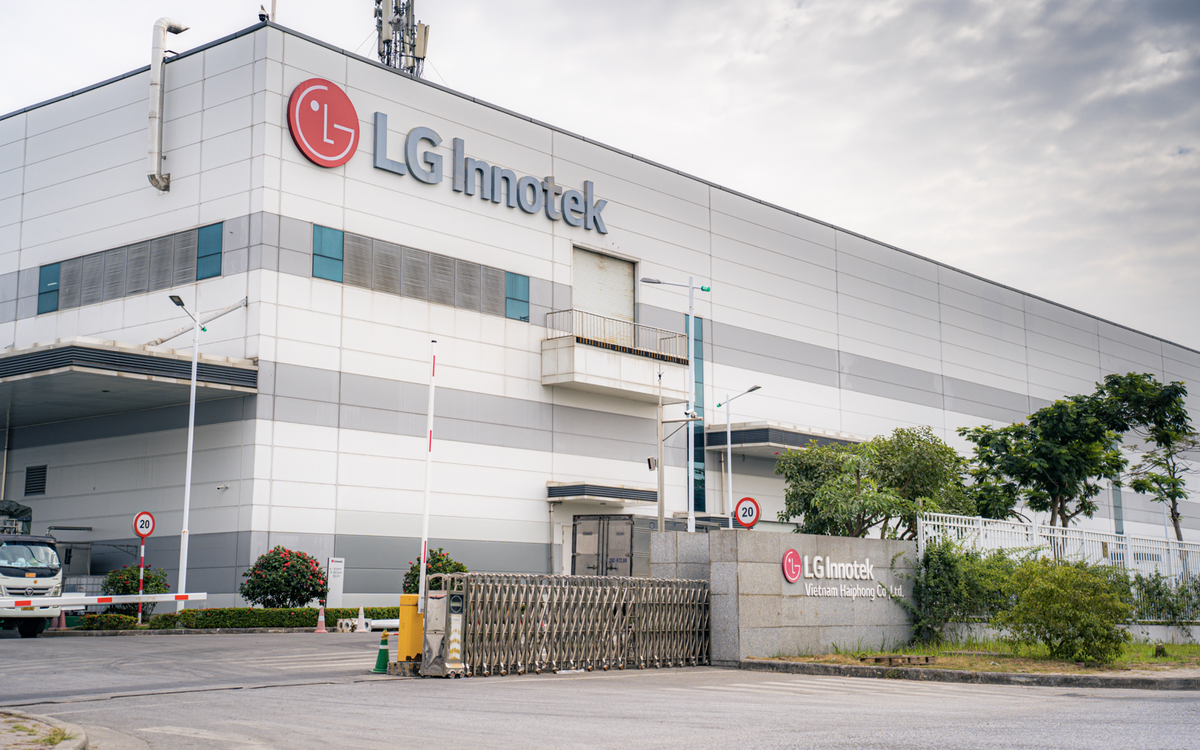
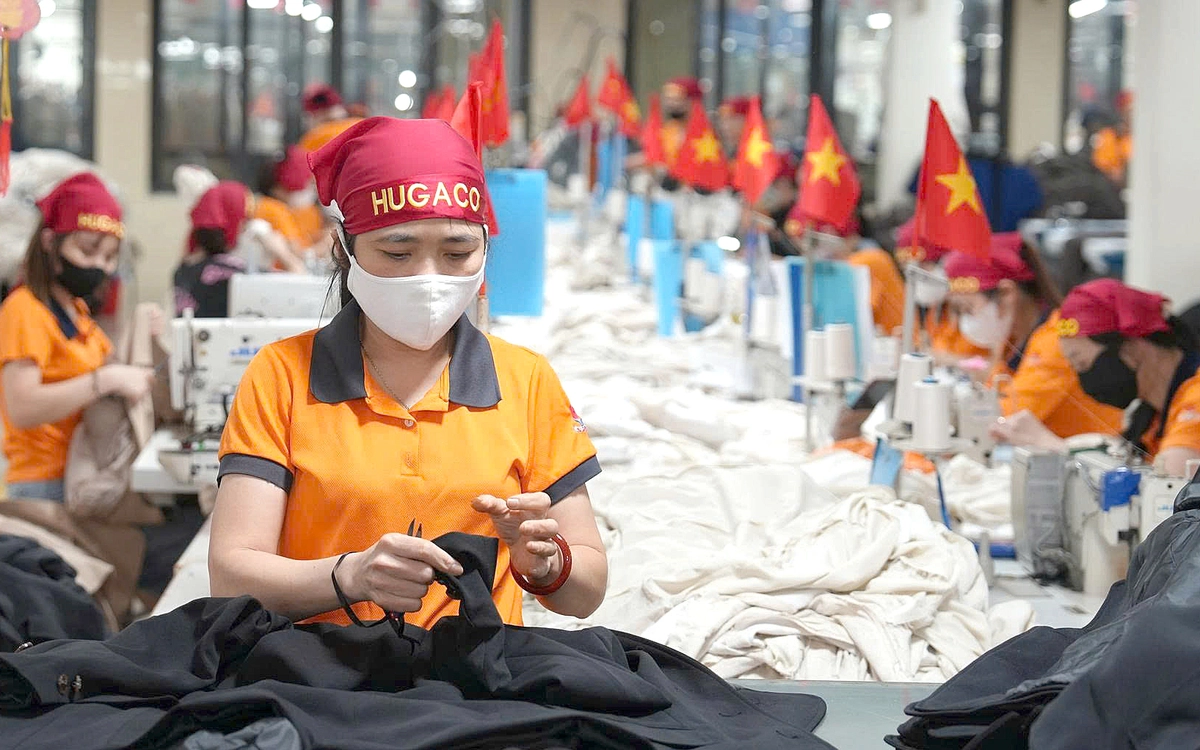
In 2025, processing and manufacturing continued to lead growth, accounting for over 31% of the national GDP increase. As of 2025, Vietnam operates nearly 500 industrial parks, covering about 145,970 hectares and employing around 4.15 million workers. Market research reports from firms like Savills, CBRE, and Cushman & Wakefield indicate high occupancy rates in major industrial centers. Binh Duong province, for instance, has maintained near-full industrial land utilization for years, with many parks at 95-99% occupancy. Bac Ninh province consistently shows over 90% occupancy, and key industrial parks in Hai Phong, such as VSIP Hai Phong, Trang Due, and Nomura, are also nearly full. Some industrial parks in Hanoi and Ho Chi Minh City have reached near-absolute occupancy.
However, relying on market self-regulation could lead to fragmented industrial parks, hindering Vietnam's potential for rapid, double-digit growth. A policy shift towards restructuring industrial parks into integrated production ecosystems, following global trends of industry clusters, is therefore necessary. Multinational corporations are actively shifting production to reduce reliance on China and seek more politically stable manufacturing hubs, placing Vietnam in a competitive global race.
Key industrial corridors, such as the Bac Ninh-Hai Phong-Quang Ninh axis in the north and areas around Ho Chi Minh City, require prioritized investment in infrastructure, logistics, and inter-regional connectivity to establish them as regional and international manufacturing centers. Preferential policies should shift from broad incentives to targeted support for supporting industries, logistics, research and development, technical labor training, and optimized land use, rather than solely focusing on leased land area or registered capital. Beyond expanding existing industrial parks, Vietnam needs a regional industrial development coordination mechanism that links industrial parks with seaports, logistics networks, industrial cities, and supporting business ecosystems within a supply chain logic. Developing a complete production ecosystem is essential to attract investors.
DistantNews Editorial
Originally published by Tuổi Trẻ in Vietnamese. Translated, summarized, and contextualized by our editorial team with added local perspective. Read our editorial standards.
More Stories



From Our Blog

What Gets Lost (and Found) When News Is Translated

The Critical Role of Diaspora Media in Global News

What Travellers Should Know About Countries with Restricted Press

A Digital Nomad's Guide to Following Local News

How the Same Story Looks Different in Different Countries
