


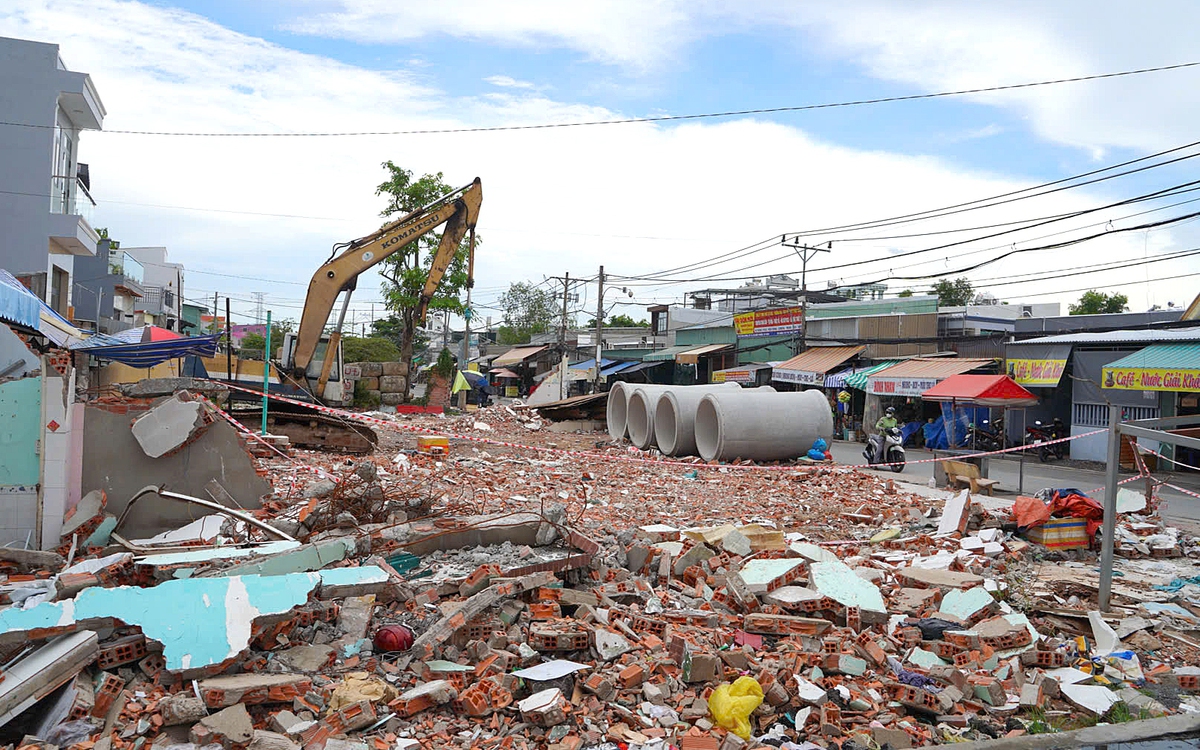
Vietnam Urged to Mandate Recycled Materials in Public Construction Projects
Translated from Vietnamese, summarized and contextualized by DistantNews.
At a glance
News
Sources not specified
Context piece
- Vietnam faces a shortage of construction materials for public investment projects, leading to delays, while construction waste recycling remains underdeveloped.
- The article proposes mandatory use of recycled materials in public projects, starting with 20-30% and increasing over time, to stimulate the market.
- International examples from Japan, Singapore, UAE, and Europe are cited to support the mandatory use of recycled construction waste.
Vietnam's public investment projects are grappling with a scarcity of construction materials, causing significant delays. Simultaneously, the nation's construction waste recycling industry is struggling to gain traction, primarily due to a lack of market mechanisms and stable demand for recycled products, rather than technological limitations.
To address this, the article suggests adopting mandatory quotas for recycled materials in public projects, similar to practices in other countries. The proposal includes requiring state-funded projects to use a minimum of 20% to 30% recycled materials and aggregates, with the potential to increase this to over 50% for auxiliary works and transportation infrastructure like highways. These targets should be integrated into the design and bidding phases, becoming a prerequisite for project approval and fund disbursement.
Furthermore, the establishment of a national-level body is recommended to standardize technical guidelines, develop economic-technical norms, and ensure the quality and competitiveness of recycled aggregates. During a transition period, adopting international technical standards could expedite testing and implementation. Mobile crushing stations deployed at demolition sites are also proposed to reduce transportation costs and environmental impact.
Drawing on international experience, the article highlights successful mandatory recycling policies in Japan and Singapore, where public projects incorporate 30% to 50% recycled materials. The UAE also has a legal framework for construction waste recycling, and many European countries impose high taxes on landfilling construction debris. This administrative approach is presented as a key strategy to drive the market and attract private investment into the environmental industry, ultimately reducing net emissions.
DistantNews Editorial
Originally published by Tuổi Trẻ in Vietnamese. Translated, summarized, and contextualized by our editorial team with added local perspective. Read our editorial standards.
More Stories


From Our Blog

What Gets Lost (and Found) When News Is Translated

The Critical Role of Diaspora Media in Global News

What Travellers Should Know About Countries with Restricted Press

A Digital Nomad's Guide to Following Local News

How the Same Story Looks Different in Different Countries
