


VIP, APP, PPT: Are English abbreviations harming China’s cultural confidence?
Summarized and contextualized by DistantNews.
At a glance
Analysis
Named sources
Context piece
- The increasing use of English abbreviations in China, like 'PPT' and 'PS', is sparking concern about cultural confidence.
- Experts worry that direct adoption of English terms may limit the Chinese language's expressive capacity.
- The phenomenon arises from the integration of new technologies and cultural exchange.
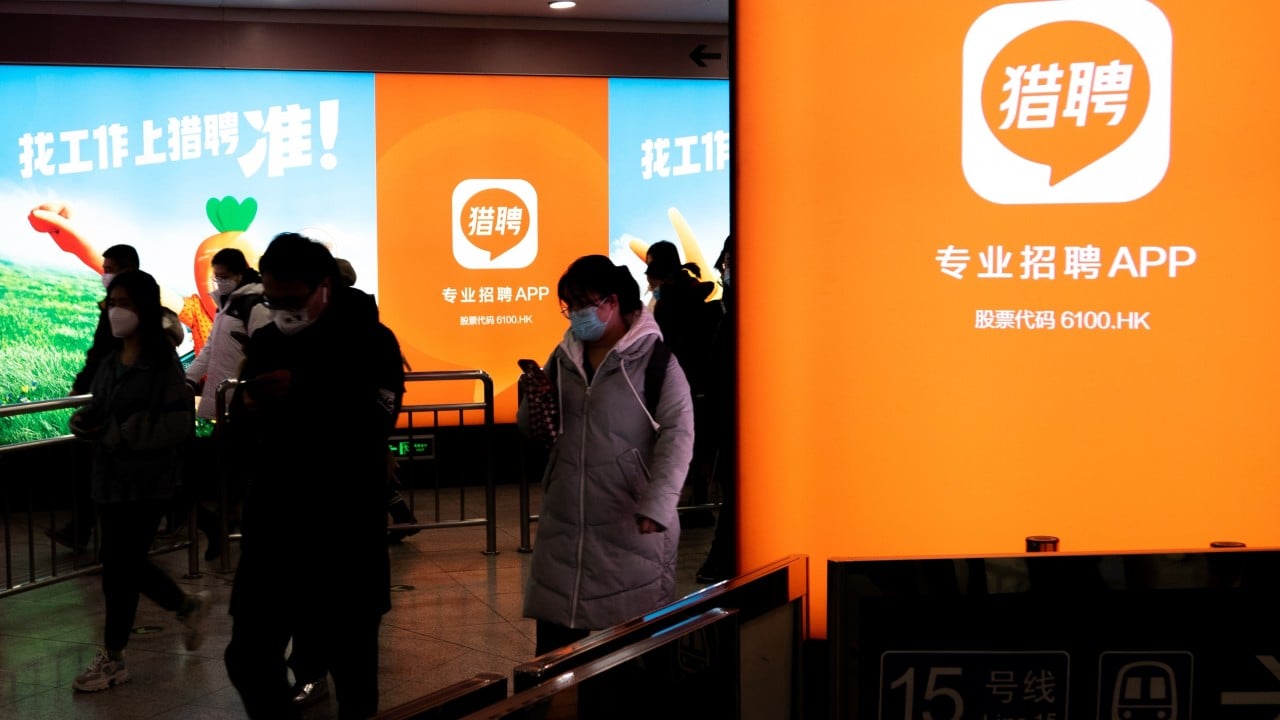
The widespread adoption of English abbreviations into daily Chinese speech, such as using 'PPT' for PowerPoint presentations or 'PS' for Photoshop, is raising concerns about the erosion of China's cultural confidence. While these linguistic adaptations are a natural outcome of cultural exchange and technological integration, some experts believe they could diminish the Chinese language's inherent expressive power.
Fang Jing, a member of the Shanxi Science Writers Association, noted in an interview with People's Daily that thousands of letter-based English terms are entering common usage. A key worry is that as new technologies become part of the lexicon, they often exist in parallel forms, an English abbreviation and a formal Chinese name, without developing easily understood Chinese equivalents.
This linguistic trend, where English abbreviations are pronounced letter by letter and integrated into spoken Chinese, prompts questions about whether the language is losing its unique capacity for self-renewal. The concern is that relying heavily on foreign abbreviations might hinder the development and natural evolution of Chinese linguistic expression.
While the adoption of these terms reflects global connectivity and the influx of foreign culture and technology, the debate highlights a tension between embracing international trends and preserving linguistic identity. The phenomenon prompts a discussion on how China can maintain its cultural confidence while engaging with the globalized world.
DistantNews Editorial
Originally published by South China Morning Post. Summarized and contextualized by our editorial team with added local perspective. Read our editorial standards.
More Stories



From Our Blog

Countries Without a Free Press: What You Need to Know

What Press Freedom Means for the News You Read

What Gets Lost (and Found) When News Is Translated

The Critical Role of Diaspora Media in Global News

What Travellers Should Know About Countries with Restricted Press
