


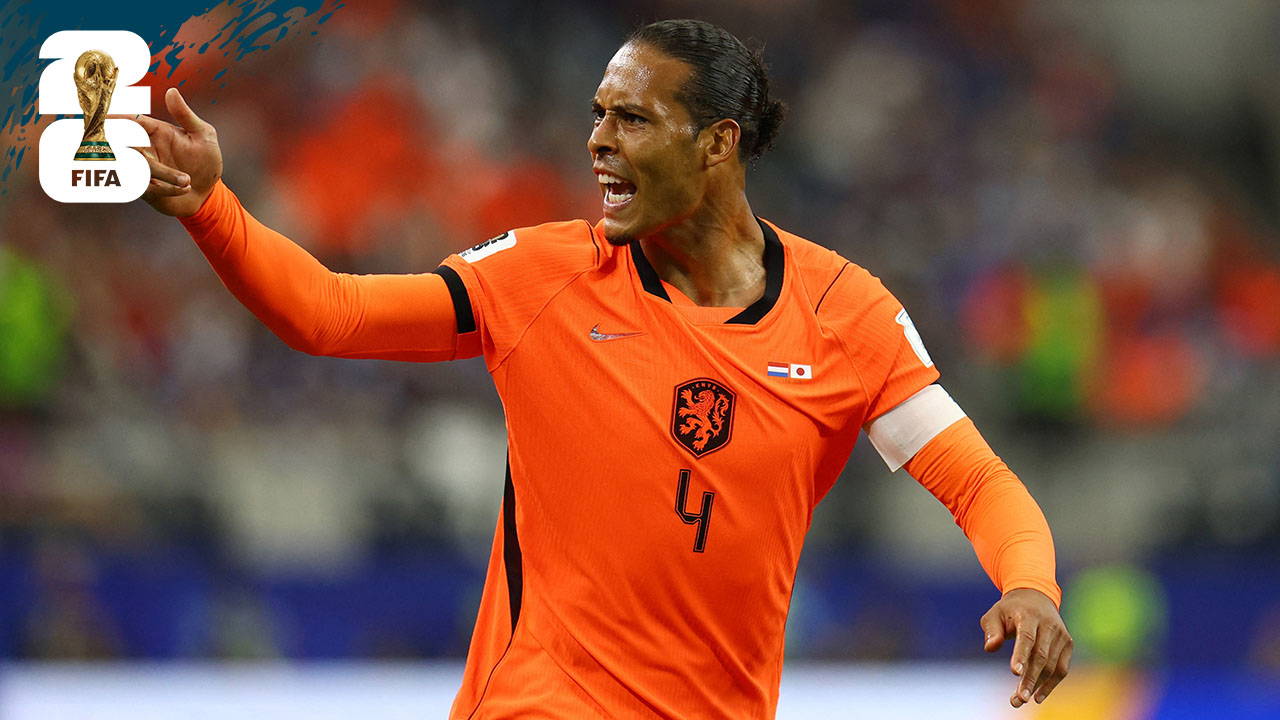
Virgil van Dijk dislikes World Cup water breaks
Translated from Turkish, summarized and contextualized by DistantNews.
At a glance
News
Sources not specified
Context piece
- Dutch defender Virgil van Dijk expressed his dislike for the water and advertising breaks introduced during World Cup matches.
- He finds the frequent interruptions disruptive, even for neutral viewers watching on television.
- Van Dijk suggested that while breaks are necessary in extreme heat, each match should be assessed individually.
Dutch defender Virgil van Dijk has voiced his displeasure with the water and advertising breaks that have become a feature of World Cup matches. The experienced player finds these interruptions disruptive to the flow of the game.
The water breaks are a bit strange because I've watched almost all the matches so far and every time there's an ad break, it's a bit... I didn't like it.
"The water breaks are a bit strange because I've watched almost all the matches so far and every time there's an ad break, it's a bit... I didn't like it," Van Dijk stated. He believes these pauses are not particularly enjoyable for neutral spectators watching from home either.
I think neutral viewers watching the match on television don't find it a very pleasant situation either.
While acknowledging the necessity of breaks in extremely hot conditions, Van Dijk suggested that a more individualized approach to match scheduling and breaks would be preferable. "If the weather is really hot, of course, it's good that these breaks are given, but I think each match needs to be assessed separately," he explained, before concluding, "Anyway, I think I've talked enough about this situation."
If the weather is really hot, of course, it's good that these breaks are given, but I think each match needs to be assessed separately.
Van Dijk's comments come after his team, the Netherlands, drew their opening match of the 2026 FIFA World Cup 2-2 against Japan.
Anyway, I think I've talked enough about this situation.
DistantNews Editorial
Originally published by Cumhuriyet in Turkish. Translated, summarized, and contextualized by our editorial team with added local perspective. Read our editorial standards.
More Stories

From Our Blog

What Gets Lost (and Found) When News Is Translated

The Critical Role of Diaspora Media in Global News

What Travellers Should Know About Countries with Restricted Press

A Digital Nomad's Guide to Following Local News

How the Same Story Looks Different in Different Countries
