


Visa 'black market' on Parliament's agenda: 'Companies linked to AKP MPs and ministers'
Translated from Turkish, summarized and contextualized by DistantNews.
At a glance
News
Sources not specified
Context piece
- Turkey's parliament is debating a bill that includes regulations on agricultural land use and other matters.
- Opposition parties are raising concerns about visa appointment backlogs and alleged corruption, estimating that citizens have spent up to $750 million on visa applications.
- Opposition lawmakers are calling for a parliamentary investigation into the alleged corruption, linking intermediary companies to ruling party politicians and ministers.
Parliamentary discussions in Turkey have become a stage for heated accusations of corruption, particularly surrounding the process of obtaining visas for travel abroad. Opposition parties are demanding a thorough investigation into what they describe as a "visa black market."
The amount of money that has left our pockets, considering service fees, insurance costs, and other application expenses, do you know how much it is? 27 billion Turkish lira, which is 500 million dollars. This is the cost of the money left to these intermediary companies by our citizens who applied for a visa but couldn't get one. When you add those who got visas, we are talking about a figure of 750 million dollars.
Buğra Kavuncu, the leader of the İYİ Party group, highlighted the significant financial burden on citizens, estimating that Turks have spent around $750 million on visa applications, including those who were ultimately denied. He criticized the government for not acting sooner and for imposing access bans on news reports detailing these issues. Kavuncu argued that if the government fears a "security problem" or "public disorder" from such discussions, then the parliament itself must be harboring such issues. He urged lawmakers to accept a parliamentary inquiry to openly discuss the alleged "plunder and corruption" within the Gazi Meclis (Grand National Assembly).
You imposed an access ban on the publications that reported the news. This means you are worried about something. What harm is there in giving this information to the public? You imposed an access ban on these news reports with the justification of a security problem; public safety, public order. Well, if you are going to impose such an access ban and prevent the discussion of such a questionable issue, do you have any hesitation that there is a security problem in this august parliament? Then, if you have the courage, raise your hands and accept this research motion; let no one be uneasy, let public order not be disturbed, and let us all discuss this plunder and corruption under the roof of this Gazi Parliament.
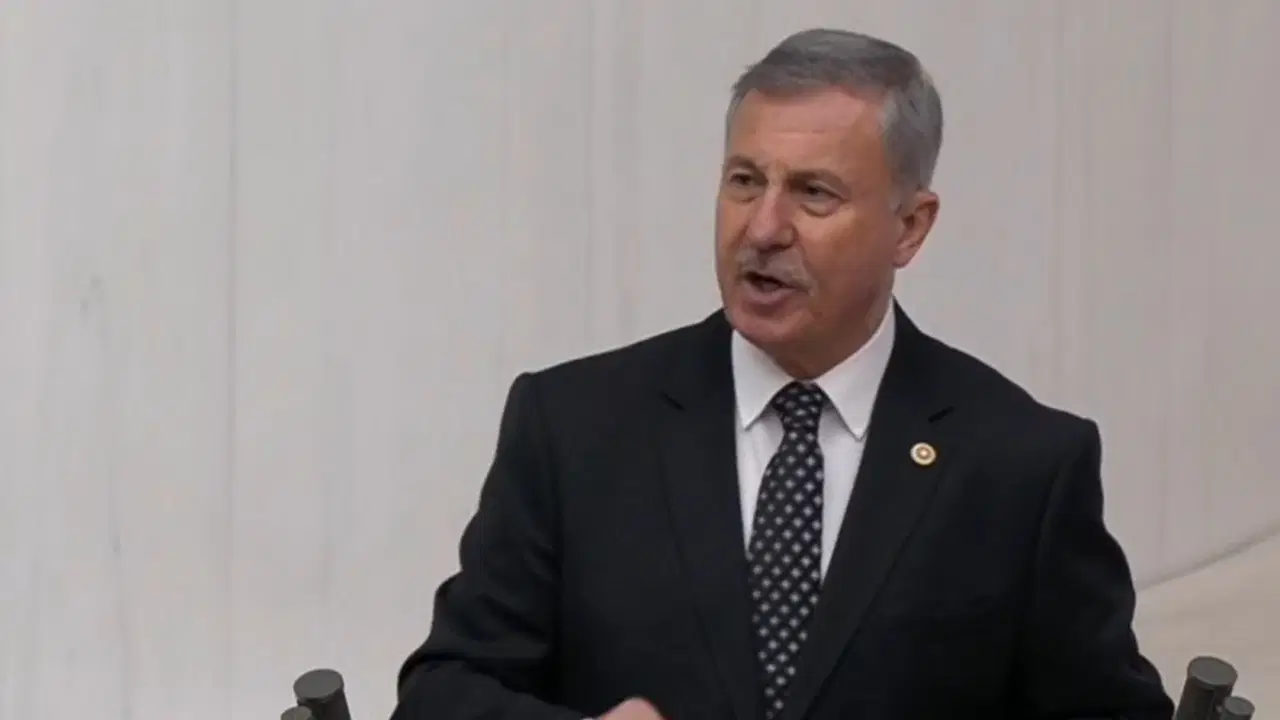
Selçuk Özdağ, a deputy group leader for the Yeni Yol Party, directly implicated ruling party politicians and ministers. He claimed that companies facilitating visa appointments have connections to current and former AKP members. Özdağ called for a joint effort to address corruption, invoking religious and statesmanlike principles to tackle the issue head-on, drawing a parallel to the government's own stated commitment to fighting corruption in municipalities.
These companies are companies that have relationships with some members of the Justice and Development Party, with some ministers – former and current members and ministers; I say this very openly, let all of Turkey hear this, let the whole world hear.
DistantNews Editorial
Originally published by Cumhuriyet in Turkish. Translated, summarized, and contextualized by our editorial team with added local perspective. Read our editorial standards.
More Stories



From Our Blog

What Gets Lost (and Found) When News Is Translated

The Critical Role of Diaspora Media in Global News

What Travellers Should Know About Countries with Restricted Press

A Digital Nomad's Guide to Following Local News

How the Same Story Looks Different in Different Countries
