

Visa to buy fraud intelligence provider BioCatch for $2.4 billion
Summarized and contextualized by DistantNews.
At a glance
News
From a news agency
New plan
- Visa announced its acquisition of fraud intelligence provider BioCatch for $2.4 billion in cash.
- The deal aims to bolster Visa's capabilities in combating financial fraud.
- BioCatch specializes in using behavioral biometrics to detect and prevent fraudulent activities.
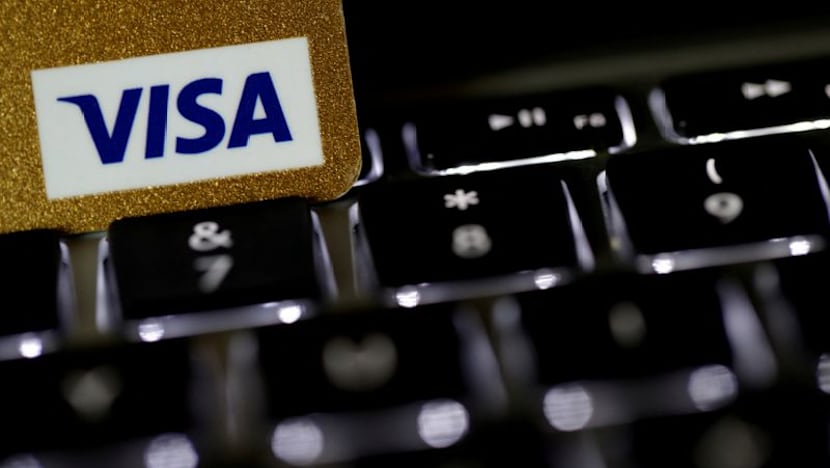
Global payments giant Visa has announced a significant move to enhance its fraud prevention capabilities by acquiring BioCatch, a leading provider of fraud intelligence, for $2.4 billion in cash. The deal, revealed on Monday, underscores Visa's commitment to safeguarding its network against increasingly sophisticated financial crime.
BioCatch is renowned for its advanced technology that utilizes behavioral biometrics to detect and prevent fraudulent transactions. By analyzing the unique ways users interact with their devices – such as typing speed, navigation patterns, and swipe gestures – BioCatch can identify legitimate users and flag suspicious activity in real-time.
This acquisition is expected to significantly strengthen Visa's existing fraud detection and prevention services. In an era where cyber threats are constantly evolving, integrating BioCatch's specialized expertise and technology will allow Visa to offer more robust and comprehensive security solutions to its clients, including financial institutions and merchants.
The move reflects a broader trend in the financial technology sector, where companies are investing heavily in technologies that can combat fraud and enhance security. As digital payments continue to grow, so does the threat landscape, making proactive and intelligent fraud detection a critical component of the payment ecosystem.
DistantNews Editorial
Originally published by CNA. Summarized and contextualized by our editorial team with added local perspective. Read our editorial standards.
More Stories

From Our Blog

What Gets Lost (and Found) When News Is Translated

The Critical Role of Diaspora Media in Global News

What Travellers Should Know About Countries with Restricted Press

A Digital Nomad's Guide to Following Local News

How the Same Story Looks Different in Different Countries
