


Vjesnik and Gospić Show Croatia Can Solve Complex Problems When It Has To
Translated from Croatian and summarized by DistantNews. Read the original for the full story.
At a glance
Analysis
Sources not specified
Outcome reported
- The burned Vjesnik building in Zagreb has been removed, leaving a cleared site at the junction of Savska Street and Slavonska Avenue.
- The cleanup followed a dangerous and unusual operation involving the risk of collapse and hazards from dismantling the structure.
- The article links the Vjesnik case with a separate, proposed hazardous-waste disposal site in Lika as examples of complex problems confronting Croatia.
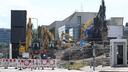
The burned Vjesnik building is gone, leaving a cleared site at one of Zagreb’s prominent intersections after a difficult cleanup operation.
More than six months after the building, a symbol of media and journalism, caught fire, the structure was removed from the junction of Savska Street and Slavonska Avenue. The work completed one of the more serious crisis operations in Croatia in recent years.
The demolition carried obvious risks. The building could collapse, and the removal process created additional hazards. Because fires involving such a tall building are rare, specialists and practitioners had limited experience in handling a crisis of this kind. The operation nevertheless ended successfully, with the people involved doing a good job, according to the article.
The Vjesnik cleanup is not directly connected to the proposed remediation of a hazardous-waste site in Lika. The two cases share only the need to find a place for disposing of particular types of waste. Waste from Vjesnik is considered far less dangerous, apart from smaller quantities of asbestos. The article presents the two cases not as praise for the authorities, but as evidence of two fundamental problems Croatia faces.
About this summary
Originally published by Večernji List in Croatian. Translated, summarized, and contextualized automatically by DistantNews, with a note on how the source frames the story. Not individually reviewed before publishing. How this works.
More Stories

From Our Blog

What Gets Lost (and Found) When News Is Translated

The Critical Role of Diaspora Media in Global News

What Travellers Should Know About Countries with Restricted Press

A Digital Nomad's Guide to Following Local News

How the Same Story Looks Different in Different Countries
