

Volkswagen: Majority of board members see company as 'existentially threatened'
Translated from German, summarized and contextualized by DistantNews.
At a glance
News
Sources not specified
Context piece
- A significant majority of Volkswagen's board members perceive the company as being in "existential danger," according to an internal survey.
- Six out of nine board members expressed this pessimistic view, with three others describing the situation as "tense."
- The findings come as the automaker faces intense pressure to fundamentally change its strategy amid a crisis in the automotive industry.
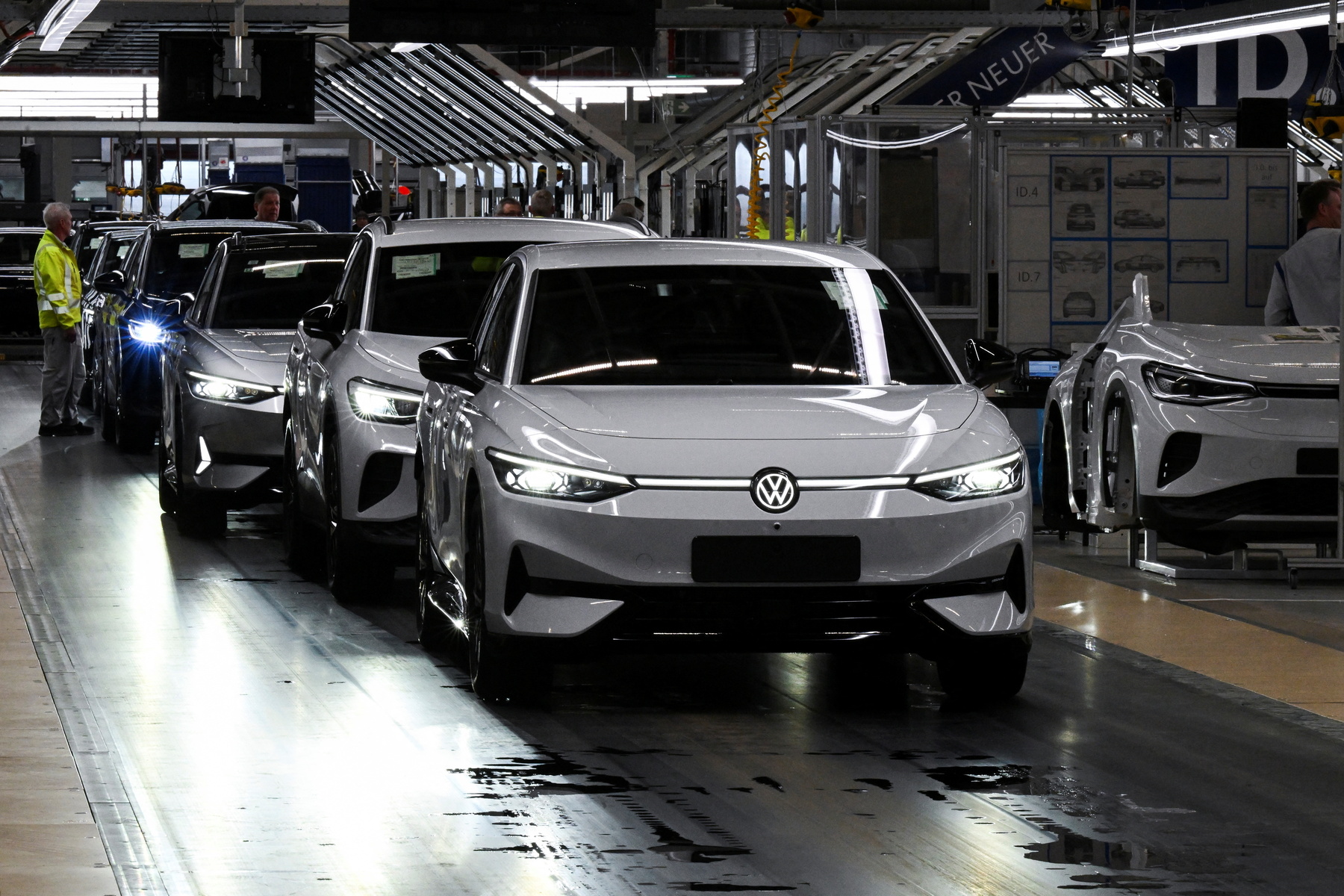
A stark internal survey reveals that a significant majority of Volkswagen's board members believe the company faces "existential danger." Six out of nine board members expressed this pessimistic outlook, with the remaining three describing the situation as "tense," according to a report by Manager Magazin.
This critical assessment underscores the profound challenges confronting the world's second-largest automaker. The findings emerge as the entire automotive industry grapples with a severe crisis, with good news becoming increasingly rare. Even previously stable companies like BMW have issued profit warnings, signaling the widespread nature of the downturn.
Volkswagen's situation appears particularly dire, exacerbated by the public leak of the internal survey, which was initially intended to gauge cohesion among top management. The survey results highlight a lack of consensus on how to navigate the crisis, with five board members indicating that the company lacks a clear strategy on essential matters and deeming current cost-saving targets unrealistic.
Despite the internal turmoil, there is a glimmer of agreement: all nine board members concur that a fundamental and radical strategic shift is necessary. This consensus provides some backing for CEO Oliver Blume's ambitious plans, which include saving six billion euros annually by 2030 and reducing the global workforce by 50,000 positions. Blume stated at the general assembly that the company is "on a good path," noting significant reductions in development times and material costs in China, as well as decreased factory costs at German sites.
DistantNews Editorial
Originally published by Die Presse in German. Translated, summarized, and contextualized by our editorial team with added local perspective. Read our editorial standards.
More Stories


From Our Blog

What Gets Lost (and Found) When News Is Translated

The Critical Role of Diaspora Media in Global News

What Travellers Should Know About Countries with Restricted Press

A Digital Nomad's Guide to Following Local News

How the Same Story Looks Different in Different Countries
