


Wage Dispute Over Drone Threats Resolved with Recommendation
Translated from Finnish, summarized and contextualized by DistantNews.
At a glance
News
Sources not specified
New plan
- Finnish employee and employer organizations have reached an agreement on wage payments during drone threat situations.
- The recommendation states that employees staying home due to official drone threat advisories should be paid.
- While a joint recommendation exists, some unions, like OAJ, disagree, arguing it lacks binding power for employers.
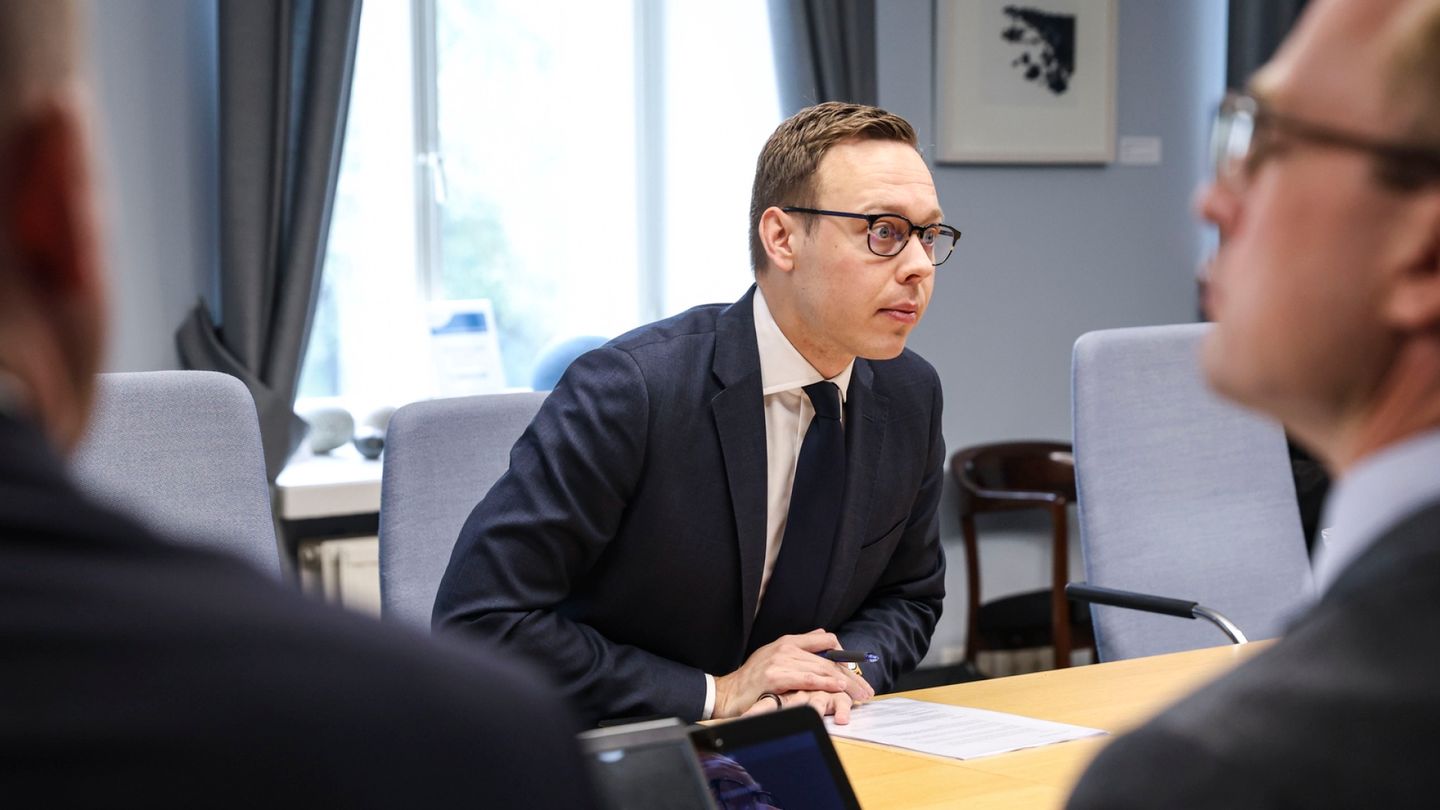
Finnish employee and employer organizations have jointly recommended that employees who stay home due to drone threats and official advisories should receive their wages. This agreement comes from a working group established by Minister of Economic Affairs Matias Marttinen.
The recommendation addresses a situation that arose on May 15th when authorities advised residents in the Uusimaa region to stay indoors due to the approach of drones potentially carrying explosives. Many Finns heeded this advice and did not go to work that morning. Initially, the Confederation of Finnish Industries (EK) argued that employers were not obligated to pay wages to employees who stayed home, based on their interpretation of the law.
Now we prioritize safety, as we should.
However, the employer side eventually agreed to the recommendation of wage payment in drone threat scenarios. The government made it clear to employers that if a joint recommendation could not be reached, it was prepared to propose legislative changes. This put pressure on the parties to find common ground.
The negotiation result of the central organizations does not resolve the wage payment dispute, as the recommendation for wage payment does not bind employers in any way. An individual employer may therefore pay the wage or not.
Despite the central organizations' unanimous recommendation, individual member unions hold differing views. The Education and Research Union (OAJ), affiliated with Akava, announced it does not accept the negotiation outcome. OAJ's chair, Katarina Murto, believes a mere recommendation is insufficient. "The negotiation result of the central organizations does not resolve the wage payment dispute, as the recommendation for wage payment does not bind employers in any way. An individual employer may therefore pay the wage or not," Murto stated in a press release.
Minister Marttinen commented at a press conference that a joint recommendation is faster to implement and "considerably more sustainable" than the legislative change OAJ desires.
considerably more sustainable
DistantNews Editorial
Originally published by Helsingin Sanomat in Finnish. Translated, summarized, and contextualized by our editorial team with added local perspective. Read our editorial standards.
More Stories


From Our Blog

What Gets Lost (and Found) When News Is Translated

The Critical Role of Diaspora Media in Global News

What Travellers Should Know About Countries with Restricted Press

A Digital Nomad's Guide to Following Local News

How the Same Story Looks Different in Different Countries
