


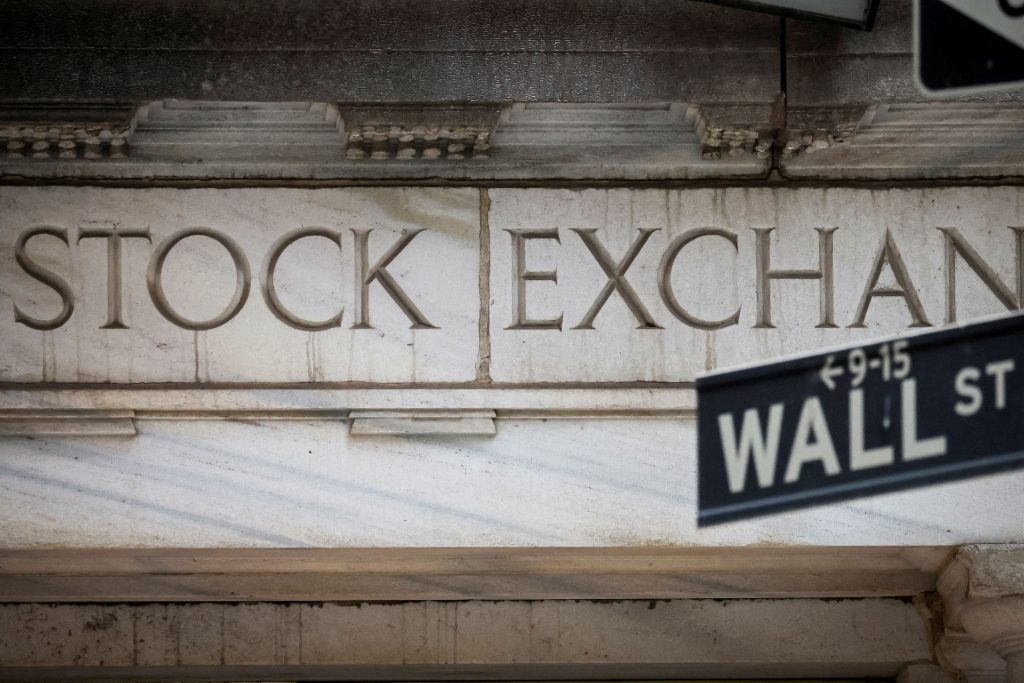
Wall Street Falls as Tech Stocks Drop and Bond Yields Rise Amid Mideast Tensions
Translated from Greek, summarized and contextualized by DistantNews.
At a glance
News
Sources not specified
New plan
- Wall Street experienced a downturn, led by a significant drop in technology and semiconductor stocks.
- Rising bond yields, influenced by Middle East tensions and oil price increases, heightened concerns about borrowing costs and inflation.
- Investors shifted from high-growth tech stocks to more defensive sectors like healthcare and consumer staples.
Wall Street stocks closed lower on Tuesday, with technology shares, particularly in the semiconductor sector, leading the decline. The market's downturn was fueled by renewed uncertainty in the Middle East, which pushed bond yields to multi-year highs and intensified worries about borrowing costs and inflation.
The fading hopes for peace in the Middle East contributed to rising oil prices, consequently driving up yields on U.S. 30-year Treasury bonds to their highest levels since 2007. Ten-year Treasury yields also reached their highest point since January 2025. The Philadelphia SE Semiconductor index saw a notable drop as investors moved away from stocks that had previously benefited from increased demand related to artificial intelligence.
ξεκινάει σχεδόν σαν ντόμινο. Οι συνομιλίες καταρρέουν. Αυτό οδηγεί σε άνοδο των τιμών του πετρελαίου. Αυτό με τη σειρά του αυξάνει τις προσδοκίες για πληθωρισμό και οι αποδόσεις των ομολόγων ανεβαίνουν. Κάθε φορά που οι αποδόσεις των ομολόγων αυξάνονται, αυτό πλήττει δυσανάλογα τις τεχνολογικές μετοχές.
Burns McKinney, a portfolio manager at NFJ Investment Group, described the situation as a domino effect, where collapsing talks lead to higher oil prices, which in turn raise inflation expectations and increase bond yields. He emphasized that rising bond yields disproportionately impact technology stocks. The S&P 500 fell 0.67%, the Nasdaq Composite dropped 1.31%, and the Dow Jones Industrial Average declined 0.22%.
Information technology was the biggest drag on the S&P 500, with semiconductor companies like Nvidia and Micron Technology experiencing losses after recent rallies. Tony Welch, chief investment officer at SignatureFD, noted that rising interest rates can halt momentum rallies, suggesting that the Federal Reserve's policy might be too accommodative given current growth and inflation outlooks. As investors exited high-growth sectors, they rotated into defensive areas such as healthcare and consumer staples, while the Wall Street fear index reached its highest point since August 5.
τίποτα δεν μπορεί να ανακόψει ένα ράλι ορμής όπως η άνοδος των επιτοκίων, και αυτό αποδεικνύεται σήμερα. Η αύξηση των αποδόσεων υποδηλώνει πως η πολιτική της Federal Reserve είναι υπερβολικά χαλαρή για τις τρέχουσες προοπτικές ανάπτυξης και πληθωρισμού.
DistantNews Editorial
Originally published by Ta Nea in Greek. Translated, summarized, and contextualized by our editorial team with added local perspective. Read our editorial standards.
More Stories


From Our Blog

What Gets Lost (and Found) When News Is Translated

The Critical Role of Diaspora Media in Global News

What Travellers Should Know About Countries with Restricted Press

A Digital Nomad's Guide to Following Local News

How the Same Story Looks Different in Different Countries
