


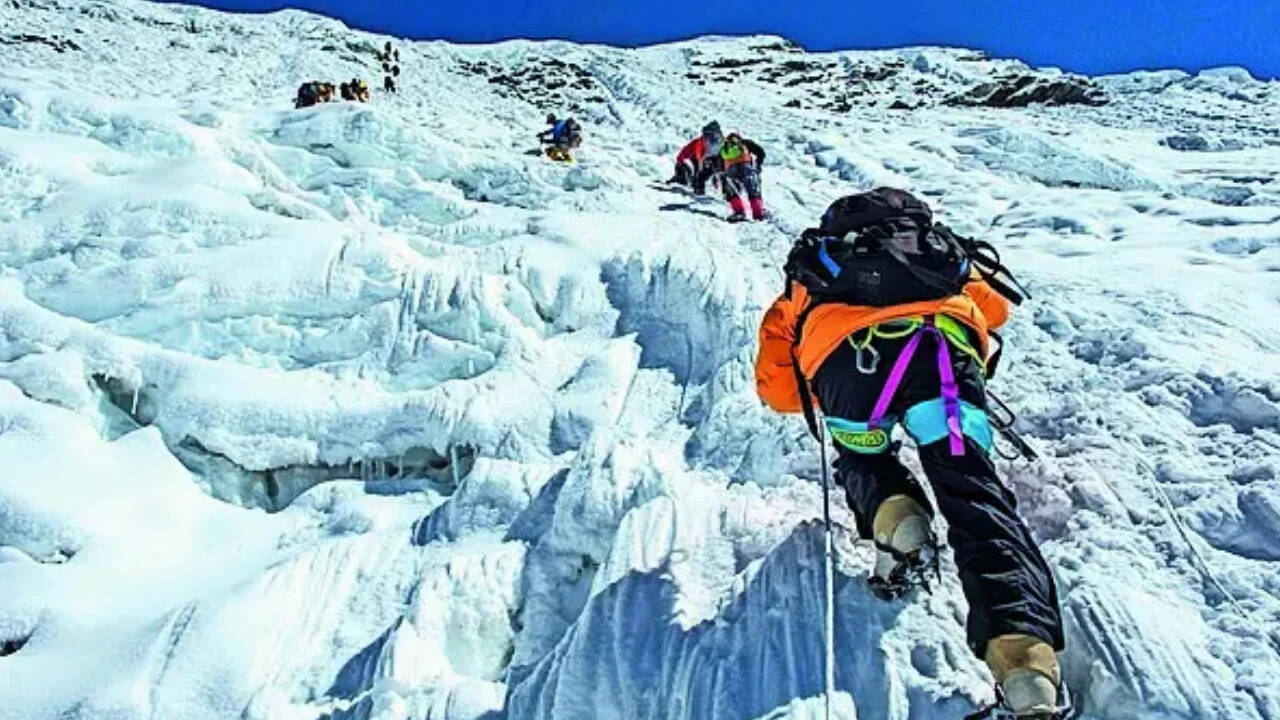
Want to summit Everest? Nepal may first ask climbers to scale 7,000m peak
Summarized and contextualized by DistantNews.
At a glance
News
Named sources
New plan
- Nepal is considering a proposal requiring Everest climbing permit applicants to first summit a 7,000-meter peak.
- This measure aims to address concerns about inexperienced climbers, overcrowding, and waste management on the world's highest mountain.
- Other proposed changes include auctioning permits and implementing stricter waste control policies for expeditions.
Nepal is exploring significant changes to its mountaineering regulations, including a proposal that climbers seeking an Everest permit must first successfully summit at least one 7,000-meter peak within the country. This initiative is part of a broader effort to enhance safety and manage the increasing number of climbers on Mount Everest.
The proposal comes after a record spring season that saw 1,008 successful ascents from Nepal's side, with five fatalities. Concerns over crowding, the presence of inexperienced climbers, and the environmental impact of waste have resurfaced as central issues. Nepal issued 492 permits for the most recent season.
These proposed amendments to Nepal's Integrated Tourism Bill are currently under parliamentary review. Suggestions range from requiring one 7,000m and one 8,000m summit to a more stringent requirement of one Nepal peak above 7,000m and two peaks above 8,000m. Additional proposals include mandatory training, medical certificates, and government assessment of terrain, weather, and congestion risks before setting permit quotas.
Further changes under consideration involve auctioning Everest permits starting at a minimum of $15,000 and implementing robust waste management protocols. Expedition teams might be required to digitally track all equipment, attach QR codes to items above base camp, and certify the weight of gear and trash brought back. A ban on single-use plastics and a zero-waste policy are also being discussed. Officials from the Nepal Mountaineering Association believe these rules could reduce pressure on Everest and bolster Nepal's mountaineering economy, though some note that only a few 7,000-meter peaks currently attract climbers.
The intent to screen climbers is understandable, but only a few of the 7,000-metre peaks attract climbers. The rule could push most Everest aspirants towards the same handful of preparatory peaks unless govt develops alternatives with proper routes.
DistantNews Editorial
Originally published by Times of India. Summarized and contextualized by our editorial team with added local perspective. Read our editorial standards.
More Stories


From Our Blog

What Press Freedom Means for the News You Read

What Gets Lost (and Found) When News Is Translated

The Critical Role of Diaspora Media in Global News

What Travellers Should Know About Countries with Restricted Press

A Digital Nomad's Guide to Following Local News
