


War and Oil: New Routes Reshape Middle East Energy Map
Translated from Greek, summarized and contextualized by DistantNews.
At a glance
Analysis
Sources not specified
Context piece
- Oil exports from the Middle East continue despite regional tensions and ongoing military operations.
- The conflict has already significantly altered commercial shipping routes and the global tanker market.
- Analysts note that both the United States and other major players are adapting to these new energy dynamics.
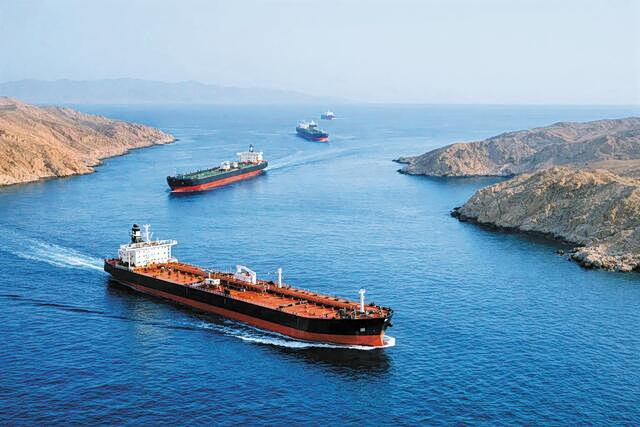
Despite the ongoing conflict and military operations in the Middle East, oil exports from the region have not ceased. However, the initial months of the confrontation have already brought about substantial changes to commercial routes and the global tanker market's operations.
Analysts point out that both the United States and other key players are adjusting to these evolving energy dynamics. The situation highlights the resilience of oil supply chains even amidst significant geopolitical instability. The intricate web of global energy trade continues to adapt, seeking new pathways and operational models to maintain flow.
These shifts underscore the complex interplay between geopolitics and energy markets. While tensions persist, the economic imperative to move oil ensures that new routes and strategies emerge, reshaping the energy map of the Middle East and influencing global energy security.
DistantNews Editorial
Originally published by Ta Nea in Greek. Translated, summarized, and contextualized by our editorial team with added local perspective. Read our editorial standards.
More Stories


From Our Blog

What Gets Lost (and Found) When News Is Translated

The Critical Role of Diaspora Media in Global News

What Travellers Should Know About Countries with Restricted Press

A Digital Nomad's Guide to Following Local News

How the Same Story Looks Different in Different Countries
