


War in Iran Drives Fuel Prices Sky-High; Could Remain Elevated for Years
Translated from Croatian, summarized and contextualized by DistantNews.
At a glance
Analysis
Sources not specified
Context piece
- The war in Iran has severely impacted the global refining industry, potentially keeping fuel prices high for years.
- While crude oil markets have adjusted, refineries face significant capacity losses, widening the gap between crude and refined product prices.
- Factors like damaged refineries, reduced Russian processing, and dwindling fuel stocks contribute to sustained high energy costs and inflation risks.
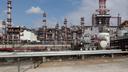
The ongoing conflict in Iran is exerting significant pressure on the global refining industry, with warnings that fuel prices for diesel and gasoline could remain elevated for years. This situation stems from the limited capacity of refineries to compensate for lost output, a stark contrast to the crude oil market's relative adaptation to reduced Middle Eastern production.
The disparity is evident in the widening gap between crude oil and refined product prices. While Brent crude hovers around $90 a barrel, a 25% increase since the conflict's start but below its peak, fuel prices have surged dramatically. European diesel has climbed over 70% and U.S. gasoline about 60% since the conflict began. The war has idled over a fifth of Middle Eastern refining capacity, and the closure of the Strait of Hormuz further restricts fuel exports. Additionally, Ukrainian attacks on Russian energy infrastructure have cut Russian oil processing by nearly 30%, prompting Moscow to ban diesel exports.
These disruptions are directly impacting refining margins, which have reached record levels in Europe, Asia, and the U.S. European diesel margins have more than tripled since February, while U.S. diesel margins have surged over 140%. Global refinery throughput has declined significantly, with demand not fully compensating for the supply drop. Compounding the issue, global fuel inventories are rapidly diminishing. U.S. diesel stocks are at their lowest for this time of year in three decades, and gasoline stocks are at their lowest seasonal level since 2012.
Even a potential diplomatic agreement between Washington and Tehran, and the reopening of the Strait of Hormuz, might not lead to a swift reduction in fuel prices. Over 20 refineries in Persian Gulf countries have sustained damage, and repairs could be lengthy due to long lead times for essential equipment. This scenario heightens the risk of sustained high energy prices contributing to inflationary pressures.
DistantNews Editorial
Originally published by Večernji List in Croatian. Translated, summarized, and contextualized by our editorial team with added local perspective. Read our editorial standards.
More Stories



From Our Blog

What Gets Lost (and Found) When News Is Translated

The Critical Role of Diaspora Media in Global News

What Travellers Should Know About Countries with Restricted Press

A Digital Nomad's Guide to Following Local News

How the Same Story Looks Different in Different Countries
