


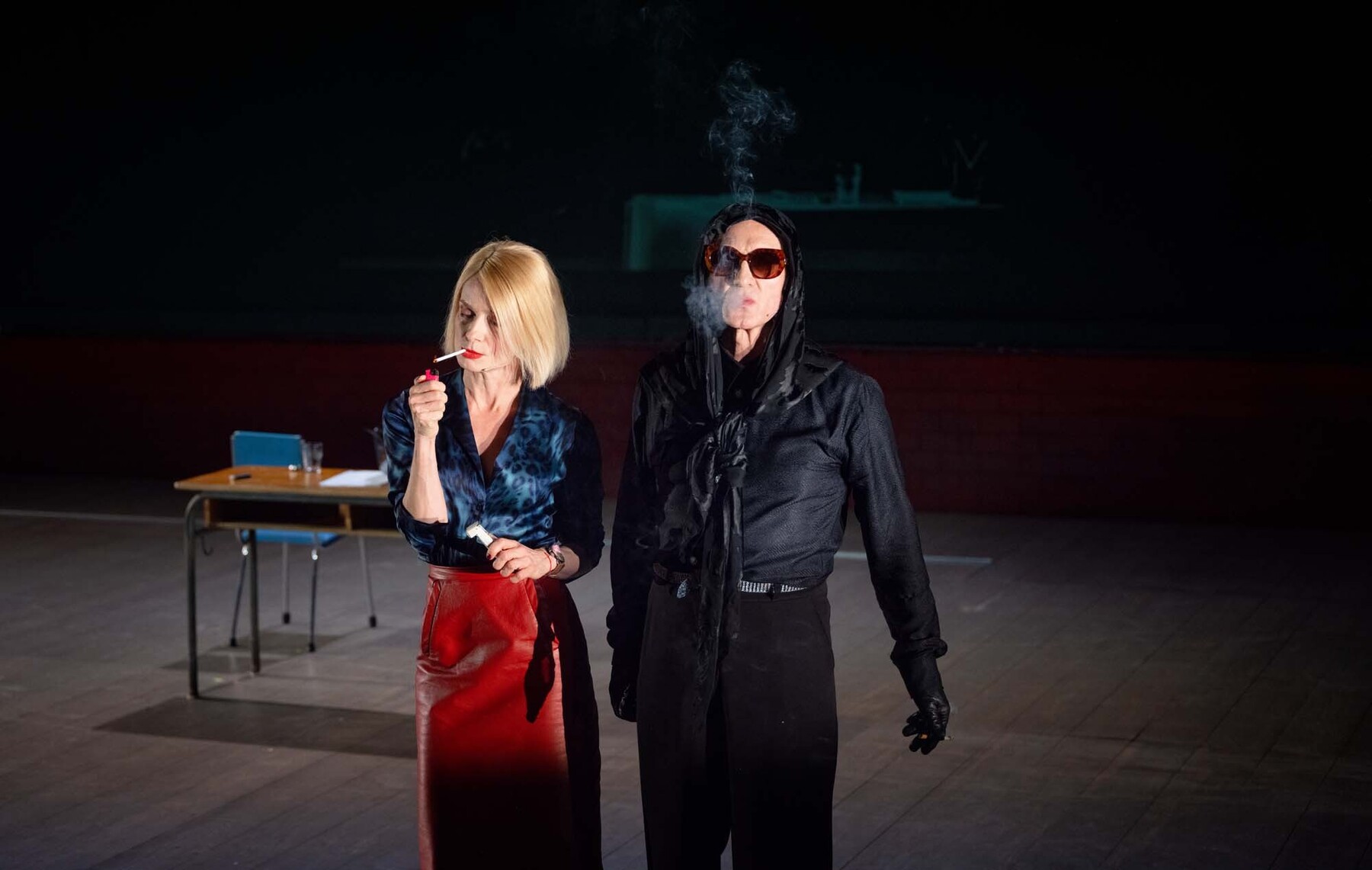
Warlikowski's 'Europa' explores inherited trauma and the burden of silence
Translated from German, summarized and contextualized by DistantNews.
At a glance
Analysis
Named sources
Context piece
- Krzysztof Warlikowski's play "Europa" explores the inheritance of traumatic events through the lens of ancient mythology and contemporary issues.
- The production uses the myth of Europa, who was abducted by Zeus, to examine themes of displacement, identity, and the collective legacy of violence.
- The play delves into how past traumas continue to affect subsequent generations, emphasizing the burden of silence.
Director Krzysztof Warlikowski's new production, "Europa," delves into the enduring impact of traumatic events, weaving together ancient mythology with present-day concerns. The play, based on Wajdi Mouawad's "Europa's Pledge," uses the foundational myth of Europa, abducted by Zeus and taken to Crete, as a starting point to question the "Myth of Europa" itself.
Mouawad, a prominent contemporary playwright born in Lebanon and later a refugee in Quebec, is known for his works that grapple with origin, cultural identity, and the collective inheritance of violence and war. His pieces often explore the repression of history and traumatic experiences. "Europa's Pledge," which premiered at the Epidaurus Festival in 2025, begins with a massacre witnessed by an eight-year-old. Seventy-five years later, an investigation forces the survivor to confront her memories and break her silence, reopening long-buried wounds.
The play focuses not just on the initial trauma but on its generational consequences. In the ancient myth, Europa never returns home; she remains the abducted, the displaced, the stranger who begins a new life elsewhere. This theme of uprooting resonates deeply within Mouawad's work, reflecting his own experiences of war and exile.
Warlikowski's staging transforms the ancient narrative into a contemporary examination of how societies and individuals are entangled in traumatic events, acting as both victims and perpetrators. The production highlights the burden carried by silence and the ways in which past suffering continues to shape the present, demonstrating that the "inheritance of traumatic events" is a profound and ongoing struggle.
DistantNews Editorial
Originally published by Die Presse in German. Translated, summarized, and contextualized by our editorial team with added local perspective. Read our editorial standards.
More Stories


From Our Blog

What Gets Lost (and Found) When News Is Translated

The Critical Role of Diaspora Media in Global News

What Travellers Should Know About Countries with Restricted Press

A Digital Nomad's Guide to Following Local News

How the Same Story Looks Different in Different Countries
